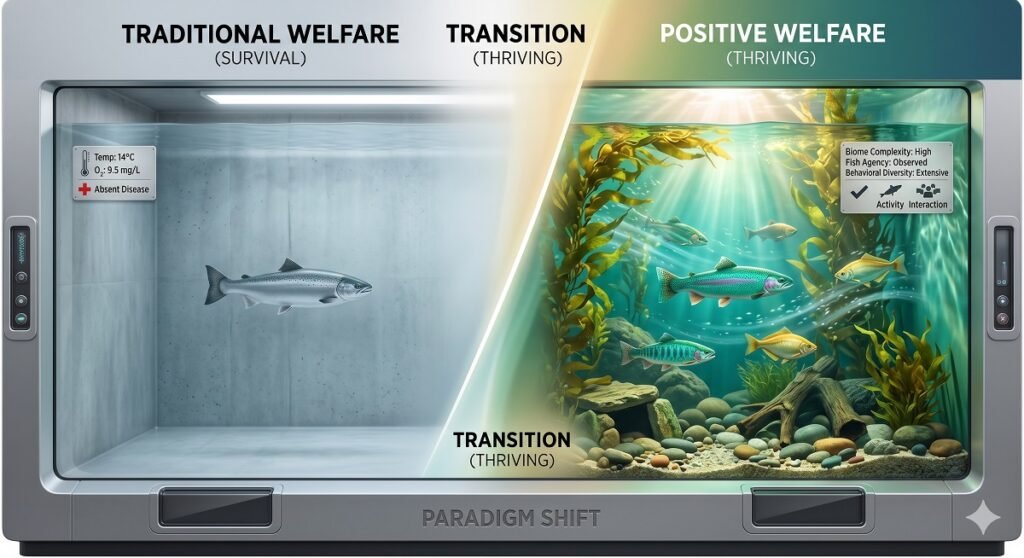
Today, aquaculture has established itself as the global primary source of seafood, surpassing wild-capture fisheries. However, optimizing animal welfare remains one of the sector’s greatest challenges. Under traditional operational frameworks, the likelihood of fish experiencing an optimal standard of living is very low (Maia et al., 2024a), as production volume has historically been prioritized over the biological criteria of the species (Oh and Lee, 2024).
Against this backdrop, animal welfare has evolved from a merely ethical or secondary concern into a critical pillar for the sustainability, commercial viability, and profitability of the aquaculture sector. Currently, the convergence of strict international regulations, consumer demand for sustainable food, and the technological maturity of Artificial Intelligence (AI) are revolutionizing production. What was once limited to regulatory compliance is now a key factor for operational optimization and access to global export markets. This guide offers a strategic analysis of the transition from “animal welfare” to “positive welfare,” examines international certification frameworks, and details the cutting-edge tools available for assessing biological indicators.
- 1 Key Takeaways
- 2 The Paradigm Shift: From Basic Welfare to “Positive Welfare” in Fish and Crustaceans
- 3 Animal Welfare in the Aquaculture Industry: The Path Toward “Positive Welfare”
- 4 The Advantages of Implementing Animal Welfare in Aquaculture
- 5 Shifts in Global Consumption Patterns
- 6 Global Regulatory and Certification Compliance (ASC, BAP, Retailers)
- 7 Frameworks and Toolboxes
- 8 Operational and Laboratory Welfare Indicators for Assessment
- 9 Animal Welfare Assessment in Aquaculture
- 10 Humane Stunning and Slaughter Methods
- 11 Recommended Stunning Methods
- 12 Technologies for Monitoring Animal Welfare in Aquaculture Systems
- 13 Acoustic Technologies (Active and Passive)
- 14 How to Improve Positive Animal Welfare in Aquaculture?
- 15 Limitations to Implementing Positive Animal Welfare in Aquaculture
- 16 Conclusion: The Future of Animal Welfare in Commercial Aquaculture
-
17
Frequently Asked Questions (FAQs) on Animal Welfare in Aquaculture
- 17.1 What is the Tiered Approach in Aquaculture Welfare Assessment?
- 17.2 How is the level of physical damage measured in farmed fish?
- 17.3 Why are traditional methods such as asphyxiation or ice baths considered inhumane?
- 17.4 What impact does pre-slaughter stress have on flesh quality?
- 17.5 Which stunning methods are recommended by precision aquaculture?
- 17.6 What is “electro-immobilization” and why does it represent a critical risk?
- 17.7 How is Artificial Intelligence Being Applied to Fish Welfare Monitoring?
- 17.8 What is Passive Acoustic Monitoring (PAM) and What is Its Advantage?
- 17.9 What limitations hinder the commercial implementation of environmental enrichment?
- 17.10 Why is it complex to standardize welfare manuals for all aquaculture farms?
- 18 References
- 19 Entradas relacionadas:
Key Takeaways
- Multidimensional Approach to Welfare: Comprehensive welfare auditing in modern aquaculture is no longer confined to isolated variables; it demands the synergetic evaluation of five critical dimensions: environmental, health, physiological, behavioral, and affective/cognitive.
- Tiered Operational Strategy: Given the impracticality of measuring all indicators simultaneously, science validates a tiered, three-level approach (primary, secondary, and advanced) that optimizes on-farm resource use and mitigates handling-induced stress before harvesting.
- Standardization of Operational Welfare Indicators (OWIs): The use of numerical scoring matrices (from to P3/P4) allows for the mathematically precise indexing of physical damage severity in target organs (eyes, snout, opercula, and fins), directly correlating these injuries with zootechnical failures or nutritional deficiencies.
- The Ethical and Commercial Imperative of Slaughter: Acute stress during the finishing phase accelerates cellular catabolism, depletes ATP, and crashes muscle pH, which destroys flesh quality. Humane slaughter through immediate and irreversible stunning is both an ethical duty and a commercial profitability requirement.
- Obsolescence of Traditional Methods: Common commercial practices such as asphyxiation, live chilling (thermal shock in ice), or carbon dioxide () narcosis are classified by EFSA and WOAH as severely aversive and inhumane due to nociceptor activation and prolonged agony, leading to their ban under global regulations.
- The Precision Aquaculture Revolution: Monitoring is transitioning toward non-invasive, real-time systems powered by Artificial Intelligence, computer vision (such as iFarm technology), implantable biosensors (bio-loggers), active/passive acoustic telemetry, and predictive models (ANN, Random Forest), aiming for the creation of aquaculture farm “digital twins.”
- Promotion of Positive Welfare: Welfare is not merely the absence of suffering; it implies the proactive application of environmental enrichment (physical, sensory, dietary, social, and occupational) to foster allostasis, resilience, and natural reproductive success, as demonstrated by the validated use of substrates and bubble curtains.
- Scale and Industry Barriers: The widespread adoption of positive welfare faces critical limitations: high investment costs, biosecurity risks due to solid organic matter retention (biofouling), increased aggression from poorly managed shelters, and a glaring gap when transferring laboratory success to industrial production.
- The Phylogenetic Diversity Challenge: With over 300 species cultivated globally, the industry lacks basic behavioral data for the vast majority. Understanding taxon-specific biology is mandatory, as the same visual indicator (such as swimming or ventilation patterns) can signify stress in one species and natural motivation in another.
The Paradigm Shift: From Basic Welfare to “Positive Welfare” in Fish and Crustaceans
What is animal welfare?
The World Organisation for Animal Health (WOAH) originally adopted the “Five Freedoms” established by the UK Farm Animal Welfare Council (FAWC) in 1979. This framework dictates that animals must be:
- Free from hunger and thirst.
- Free from physical and thermal discomfort.
- Free from pain, injury, or disease.
- Free to express natural behavior.
- Free from fear and distress.
Although these principles were initially developed for terrestrial animals, WOAH has structured specific international standards for the welfare of farmed fish (excluding ornamental species) within its Aquatic Code. Consequently, the organization advocates for the implementation of “handling methods appropriate to the biological characteristics of the fish and a suitable environment to satisfy their needs” (WOAH). Broadly, the institution defines animal welfare as “the physical and mental state of an animal in relation to the conditions in which it lives and dies.”
The Evolution Toward the 5 Domains: Over the past decade, this approach has migrated toward the “Five Domains” model (Noble et al., 2025). This evolution groups the organism’s needs into four physical and environmental areas: (1) nutrition, (2) physical environment, (3) health, and (4) behavioral interactions. The synergy of these factors converges to shape the fifth domain: (5) the animal’s mental state.
Meanwhile, Fruscella et al. (2025) argue that the traditional “Five Freedoms” model—reactively focused on mitigating negative states like stress or pain to maintain homeostasis—has become obsolete. Instead, they propose the allostasis model, where welfare is actively achieved through adaptation to change. Under this new paradigm, providing controlled and manageable environmental challenges (“eustress”) stimulates fish motivation, fosters agency, and ultimately guarantees them a “life worth living.
What is animal sentience, and why does it matter in aquaculture?
Despite their independent evolutionary history and their adaptation to an aquatic environment vastly different from our own, fish possess a proven degree of consciousness or sentience (Martins et al., 2011; Huntingford and Kadri, 2014; Maia et al., 2025). According to Browning (2023), there is sufficient evidence regarding the perception, cognition, and complex behavioral responses of fish to conclude that they are sentient beings—capable of experiencing pleasure or suffering—making it ethically indispensable to protect their welfare.
Neurophysiological similarities to mammals
Recent research led by Ciliberti et al. (2023) demonstrates that fish possess a peripheral nociceptive system (the system that detects cellular damage) strikingly similar to that of mammals. This allows them to consciously perceive painful stimuli, actively avoid adverse situations, and experience emotional states similar to fear.
Painful events trigger severe physiological and behavioral changes in them, such as alterations in ventilation or a drastic reduction in activity. Since these responses can be prevented through the use of analgesics, pain management has become a central ethical and moral concern for the sector. Consequently, the recognition of this sensitivity in fish and decapod crustaceans has driven rigorous ethical and legal oversight toward welfare on aquaculture farms and in slaughterhouses (Dara et al., 2023; Toni et al., 2018; Wuertz et al., 2023; Brown and Dorey, 2019).
Scientific myths debunked: A scientific review conducted by Planellas et al. (2026) categorically debunks the traditional belief that fish possess simple nervous systems. Comparative evidence demonstrates they have sophisticated brain structures—homologous to the cerebral cortex, hippocampus, and amygdala of mammals—that support advanced cognitive functions, spatial memory, and emotional processing. Therefore, pain and fear are processed consciously rather than as a simple reflex action. In line with this, Fruscella et al. (2025) reaffirm that teleost fish experience emotions, possess memory, and have the neurophysiological capacity to process pain and stress similarly to other vertebrates.
The Case of Decapod Crustaceans
Welfare is no longer exclusively limited to fish. Wuertz et al. (2023) point out that the behavior of decapod crustaceans suggests they experience nociception, and there are strong indications that they also perceive pain consciously.
Mantente siempre informado
Stay Informed
Únete a nuestras comunidades para recibir al instante las noticias, informes y análisis más importantes del sector acuícola.
Join our communities to get instant access to the most important news, reports, and analysis from the aquaculture industry.
Likewise, Campbell and Lee (2025) detail that behavioral testing in shrimp and prawns (decapods of the suborders Caridea and Dendrobranchiata) demonstrates complex capabilities and needs. Understanding these factors is fundamental to designing new protocols for modern aquaculture.
For producers, ignoring animal sentience is no longer an option; it means facing imminent regulatory and commercial risks, as premium global markets actively penalize farming methods that induce prolonged stress.
Animal Welfare in the Aquaculture Industry: The Path Toward “Positive Welfare”
Currently, the aquaculture industry faces the challenge of shifting away from purely volume-centered production methods to adopt “One Health” and “One Welfare” approaches. These comprehensive frameworks recognize that animal welfare, environmental sustainability, and human health are intrinsically connected (Planellas et al., 2026).
At a scientific level, a solid body of research has accumulated demonstrating that fish exhibit intelligence characteristics comparable to those of mammals, including the capacity to experience stress, fear, and pain (Brown and Dorey, 2019). Historically, animal welfare was limited to a reactive approach: avoiding suffering through the absence of hunger, pain, or stress.
The Three Perspectives of Welfare
According to Huntingford and Kadri (2014), animal welfare in aquaculture can be defined from three valid and interconnected perspectives:
- Function-based: Biological systems operate healthily and optimally.
- Nature-based: Animals have the capacity to express their natural wild behavior.
- Feeling-based: There is a widespread absence of fear, distress, or pain.
In line with this, Stien et al. (2020) establish as a basic principle that if fish look good, enjoy good health, display normal behavior, and thrive, it is reasonable to assume that the rearing system satisfies their biological needs. Conversely, any deviation is a red flag that demands investigation. Meanwhile, Pietsch (2025) highlights that welfare in fish is no longer defined solely as the absence of negative stress, but includes the active pursuit of positive welfare through the concept of satisficing—that is, guaranteeing a “good enough” and optimal standard of living given the farming conditions.
Challenges in Measurement and Sector Reality
Limitations of Current Indicators: Alvarado et al. (2025) found that traditional indicators present severe operational limitations: they are often invasive, difficult to quantify, and usually manifest only when fish welfare has already been long compromised, preventing early detection and intervention. Furthermore, factors such as being healthy or retaining reproductive capacity do not, on their own, guarantee the absence of subjective suffering.
This lack of preventive tools is reflected in global statistics. According to Maia et al. (2024b), following an exhaustive analysis of the Fair-fish database, only a small percentage (approximately 5%) of farmed aquatic species have at least a 20% probability of experiencing a good level of welfare under current baseline aquaculture conditions. For most species, the welfare status is considered deficient.
Consequently, Planellas et al. (2026) highlight the urgency of consolidating a paradigm shift toward “positive welfare.” This approach recognizes that fish are biologically equipped to seek and experience pleasurable mental states, which includes receiving rewards, making choices within their environment, and exhibiting rewarding behaviors such as play or social comfort.
What is positive animal welfare?
Rault et al. (2025) report that an interdisciplinary group of experts reached a consensus defining Positive Animal Welfare (PAW) as “the flourishing of the animal through the experience of predominantly positive mental states and the development of competence and resilience. PAW goes beyond ensuring good physical health and the prevention and alleviation of suffering. It encompasses animals experiencing positive mental states as a result of rewarding experiences, including having choices and opportunities to actively pursue goals and achieve desired outcomes.”
In line with this approach, positive welfare theory emphasizes that an optimal standard of living is not achieved solely by avoiding suffering, but by providing animals with opportunities to experience pleasurable affective states throughout their life cycle (Spiliopoulos et al., 2026).
Fundamental Components of Positive Animal Welfare
According to current research, positive welfare in aquaculture is supported by three critical pillars:
- Agency and Choice: Animals are no longer viewed as passive recipients but as active agents capable of interacting with, modifying, and learning from their environment (Fruscella et al., 2026). This implies providing individuals with choices and opportunities to actively pursue goals and achieve their desired outcomes (Planellas et al., 2026).
- Positive Affective States (Emotions): This involves the animal’s capacity and motivation to seek experiences that generate pleasure, joy, or interest (Spiliopoulos et al., 2025).
- Resilience Development: This consists of helping animals develop the necessary skills to adapt, recover, and thrive in the face of environmental challenges, rather than merely surviving them (Spiliopoulos et al., 2025). Granting them a degree of control over their environment (e.g., choosing to swim against a water current or rest) strengthens their cognitive flexibility and improves their stress response (Fruscella et al., 2026).
Positive Welfare Indicators in Fish: According to Planellas et al. (2026), this concept is evaluated by identifying behaviors demonstrating that fish “feel good.” These actions include play behavior, preferential bonding toward other individuals (homologous to “friendship”), social buffering of fear (seeking group comfort), and spontaneous displays of free-choice exploration.
Meanwhile, Cavallino et al. (2023) introduce the concept of “behavioral integrity,” suggesting that a fish enjoys welfare when it can fully express its natural behavioral repertoire. Thus, if fish successfully reproduce and execute their biological routines of courtship and natural territorial aggression, it confirms that the artificial environment and housing conditions are technically adequate.
The Advantages of Implementing Animal Welfare in Aquaculture
The transition toward positive welfare in aquaculture is not merely an ethical imperative; it constitutes a strategic and financial decision directly linked to the final product’s organoleptic quality and commercial yield. According to Mercogliano et al. (2024), deficient stunning and slaughter practices act as acute stressors that negatively alter post-mortem metabolic processes. This stress causes rapid depletion of adenosine triphosphate (ATP) and critical fluctuations in pH, resulting in lower water-holding capacity, loss of textural firmness, unwanted color variations, and accelerated flesh degradation.
Consequently, animal welfare has evolved from a purely altruistic aspect into an essential factor for sectoral sustainability, product excellence, and the social license to operate itself (Ashley, 2007; Browning, 2023; Dara et al., 2023; Ciliberti et al., 2023; Toni et al., 2018; Wuertz et al., 2023; Bjelland et al., 2024; Oh y Lee, 2024).
Immunological Health and Homeostasis: Furthermore, Segner et al. (2012) point out that an optimal welfare level is reflected in the fish’s immunological and adaptive capacity to cope with both infectious and environmental stressors. This allows the organism to maintain homeostasis (internal balance) and preserve robust health. Conversely, poor rearing conditions and prolonged suffering exhaust this adaptive capacity, triggering pathological outbreaks and deteriorating biomass.
In line with this, Gonzalez (2025) argues that a “positive” welfare approach is closely linked to tangible benefits in production ratios and the mitigation of the environmental impact of operations. The competitive advantages of integrating advanced animal welfare into modern aquaculture systems are detailed below:
Biological and Production Benefits of Animal Welfare
Higher Growth and Feed Efficiency
Individuals maintained free of chronic stress and in appropriate environments—optimized with environmental enrichment or physical exercise stimuli—exhibit faster and more homogeneous growth (Spiliopoulos et al., 2025). Likewise, an optimal welfare state significantly improves the Feed Conversion Ratio (FCR), meaning the fish efficiently assimilates nutrients to transform them into biomass, thereby reducing operating costs and feed waste (Planellas et al., 2026).
Immune Strengthening and Disease Resistance
Chronic stress depresses the immune system of fish due to the prolonged secretion of high cortisol levels, rendering them vulnerable to pathogens and parasites (Spiliopoulos et al., 2025). By fostering resilience and positive welfare, organisms consolidate a more robust, immunocompetent response, drastically reducing on-farm morbidity and mortality rates (Spiliopoulos et al., 2025).
Mitigation of Aggressive Behaviors and Injuries
The strategic management of stocking densities, respect for social structure, and the introduction of environmental complexity (through physical or visual enrichment) mitigate clashes over hierarchy or territory. This control considerably decreases macroscopic physical damage, such as fin erosion, skin ulcerations, and cannibalism (Spiliopoulos et al., 2026).
Product Excellence and Quality
Texture Optimization and Flesh Properties
The stress level an individual experiences throughout its life cycle—and critically, immediately before and during slaughter—directly impacts the physicochemical properties of its flesh (Mercogliano et al., 2024; Planellas et al., 2026). Acute stress triggers a premature depletion of energy reserves and induces lactic acid accumulation in the muscle tissue. This phenomenon alters the post-mortem pH decline, compromising the protein structure of the fillet (Mercogliano et al., 2024).
Water Retention and Shelf-Life Extension
Conversely, implementing humane stunning and slaughter protocols prevents accelerated product deterioration. These practices guarantee optimal water-holding capacity, firm texture, homogenous coloration, and a significantly longer shelf-life at the point of sale (Mercogliano et al., 2024). Consequently, aquaculture products processed under low-stress standards consolidate a high-quality reputation across the supply chain, allowing them to command premium prices in the international market (Planellas et al., 2026).
Economic and Operational Benefits of Welfare
Long-Term Operational Cost Reduction
Although adopting welfare-oriented technologies—such as automated water quality monitoring, advanced stunning systems, or stocking density optimization—requires an initial investment, the capital is amortized quickly (Spiliopoulos et al., 2025; Gonzalez, 2025). In the medium and long term, aquaculture companies register significant savings by mitigating mortality losses, maximizing feed efficiency, and drastically decreasing reliance on veterinary treatments, chemotherapeutics, and antibiotics (Dara et al., 2023; Spiliopoulos et al., 2026).
Innovation and Applied Technological Efficiency
Modern tools focused on animal welfare—such as automated vision-based feeding systems, Artificial Intelligence (AI) for individual recognition, and nanobubble oxygenation—serve a dual purpose. They not only ensure a stress-free environment for the biomass but also radically optimize energy costs, water consumption, and operational staff management times (Gonzalez, 2025).
Commercial, Reputational, and Environmental Benefits of Welfare
Contemporary consumers, particularly in high-demand markets like Europe, display a growing awareness and demand for ethically sourced products. Research demonstrates that a considerable share of buyers is willing to pay a price premium for aquaculture products backed by audited animal welfare or organic production certifications (Planellas et al., 2026).
Adopting advanced animal welfare standards optimizes compliance with progressively stricter government regulations and helps companies secure prestigious international certifications, such as ASC or RSPCA (Browning, 2023; Spiliopoulos et al., 2026).
Synergies with the Surrounding Ecosytem
Furthermore, this approach aligns firmly with the “One Welfare” framework. By maximizing feed conversion efficiency and mitigating the use of chemical agents, the carbon footprint and water environmental impact are automatically reduced (minimizing the accumulation of organic waste and nitrogenous compounds), actively protecting the surrounding ecosystem (Planellas et al., 2026).
Shifts in Global Consumption Patterns
Consumer Education and Responsible Demand
According to Ciliberti et al. (2023), educating consumers on how their purchasing decisions directly impact the environment and animal welfare constitutes a fundamental strategy for driving the demand for ethical and responsible products.
Meanwhile, Wuertz et al. (2023) highlight that animal welfare is considered an integral component of sectoral sustainability, as it prevents financial losses associated with poor handling standards, establishing itself as a highly relevant issue for international markets. However, current eco-certification schemes—such as the Aquaculture Stewardship Council (ASC)—still face the challenge of communicating the animal welfare dimension to the end consumer in a scientifically sound and accessible manner.
Public Perception and Regulatory Gaps
Finally, Planellas et al. (2026) emphasize that there is a growing public concern, especially within the European context, alongside a clear consumer willingness to pay a price premium for seafood backed by audited welfare certifications. Nonetheless, as the same researchers warn, global legislation remains fragmented, lacks specificity, and exhibits critically low rates of enforcement and compliance.
Global Regulatory and Certification Compliance (ASC, BAP, Retailers)
The international seafood market is heavily regulated by independent certification standards, which dictate the mandatory operational guidelines for marketing biomass in the world’s most lucrative retail channels. However, as Browning (2023) reported, in the vast majority of these eco-labeling programs, animal welfare constitutes merely a secondary fraction, coexisting marginally alongside traditionally prioritized factors such as environmental impact and food safety.
ASC Farm Standard Requirements for Humane Slaughter
The Aquaculture Stewardship Council (ASC) has strictly aligned its animal welfare regulations with the visions of animal protection non-governmental organizations (NGOs), such as CARE Salmon. Consequently, the ASC certification standard for processing plants strictly prohibits traditional, inhumane slaughter methods, notably:
- Asphyxiation in ice or direct exposure to air.
- Immersion in salt or ammonia baths.
- Direct bleeding without prior loss of consciousness.
According to the official ASC protocol, 100% of farmed animals must be irreversibly stunned before the bleeding or evisceration process begins. To achieve this, the standard validates two specific technological methodologies:
- Mechanical Percussive Stunning: Consists of applying a direct physical impact to the cranial region of the fish using an automated pneumatic piston, designed for high-speed processing lines where individuals move singly.
- Electrical Stunning: Based on passing a controlled electrical current through the water or directly onto the animal’s body, making it the preferred method for bulk processing or smaller species.
Currently, the organization is implementing a two-year transition period for the ASC Farm Standard, which will become mandatory on May 1, 2027 (ASC News).
The 2030 Ban on Eyestalk Ablation (BAP Standard)
In the shrimp industry, the most disruptive regulatory milestone is the definitive eradication of eyestalk ablation in broodstock production (Penaeus vannamei and Penaeus monodon). Traditionally, hatchery maturation laboratories excised or cauterized one of the female’s eyestalks to destroy the X-organ/sinus gland neurosecretory complex. Suppressing this system halts the synthesis of the gonad-inhibiting hormone (GIH), forcing artificially accelerated ovarian maturation and spawning.
The GSA / BAP Position
The Global Seafood Alliance (GSA) has stipulated that by December 31, 2030, 100% of shrimp aspiring for Best Aquaculture Practices (BAP) certification must originate exclusively from facilities utilizing ablation-free broodstock (GSA Blog).
Pressure from Retail Channels
Major international supermarket chains are implementing immediate bans on purchasing shrimp and prawns from supply chains that employ this technique. This commercial movement is led by strict regulations in the United Kingdom, such as Lidl GB’s welfare policy, which has already been adopted by nine other major British retailers.
Operational and Viable Alternatives
The successful transition toward ablation-free production relies on three scientific-technical pillars: genetic improvement to select lines with a high propensity for natural spawning; strict control of photoperiods and thermoperiods in maturation tanks; and the provision of premium diets enriched with highly unsaturated fatty acids (HUFAs), fresh squid, and polychaetes.
Frameworks and Toolboxes
With the purpose of assessing, documenting, and optimizing the welfare of fish and crustaceans in aquaculture, the scientific community and the industrial sector have developed specialized frameworks and toolboxes. These methodological structures organize multiple biological and environmental indicators into standardized, practical systems rigorously adapted to the specific needs of each cultivated species. The primary frameworks and diagnostic tools used in modern aquaculture management are analyzed below:
Assessment Frameworks
While conceptual frameworks like the “Five Freedoms” and the “Five Domains Model” provide the philosophical and theoretical foundation for the sector (Pedrazzani et al., 2023), assessment frameworks translate these principles into mathematical and semantic models designed to quantitatively audit welfare within production units.
Salmon Welfare Index Models (SWIM) 1.0 and 2.0
SWIM 1.0 and 2.0 were among the first systems developed to assess the overall welfare of Atlantic salmon in sea cages, integrating environmental indicators (temperature, salinity, and stocking density) and animal-based parameters (mortality, appetite, sea lice prevalence, and fin damage) to calculate a global welfare index (Browning, 2023). This methodological model has been successfully adapted for other commercial species, such as European seabass and lumpsucker.
FISHWELL Models
The FISHWELL models were developed specifically for salmonids (salmon and trout); these frameworks focus rigorously on animal-based indicators—such as emaciation (pathological thinning), skin damage, scale loss, eye and gill conditions, or skeletal deformities—while providing specific environmental matrices for different management systems and facilities (Browning, 2023).
MyFishCheck
MyFishCheck is a generalized model available as an interactive on-farm application that divides operational assessment into critical modules covering facility management (staff training and hygiene protocols), physicochemical water quality, schooling behavior, and the external and internal morphophysiological condition of the individuals (Tschirren et al., 2021).
LAKSVEL Protocol
According to Planellas et al. (2026), the LAKSVEL protocol represents an advanced evolution in toolboxes for Atlantic salmon, with its competitive advantage lying in being specifically designed for a determined rearing system (net pens) and a concrete ontogenetic stage (marine grow-out phase).
General Welfare Index (GWI) and Partial Welfare Indices ()
Pedrazzani et al. (2022) and Pedrazzani et al. (2023) developed algorithmic mathematical models applied to high-volume species like grass carp and Nile tilapia that calculate welfare by assigning specific weights to environmental, health, nutritional, and behavioral indicators. Under this model, a cumulative mortality rate exceeding 30% acts as a kill switch, automatically classifying welfare into the “critical” category.
FishEthoBase (WelfareCheck)
FishEthoBase is an international, open-access platform that categorizes ethological knowledge into detailed species profiles, assessing the likelihood of an organism experiencing optimal welfare in captivity based on 10 fundamental criteria: home range, depth stratification, migration patterns, reproductive biology, aggregation dynamics, aggressiveness indices, substrate requirements, physiological stress responses, malformation prevalence, and humane slaughter protocols (Maia et al., 2024a).
Toolboxes
Toolboxes constitute specific collections of Operational Welfare Indicators (OWIs) rigorously selected for their feasibility and practical relevance to a particular species, ontogenetic stage, and production system (Noble et al., 2025; Planellas et al., 2026). Their operational architecture is defined under the following strategic criteria:
- Species Covered in Current Management: Currently, the sector possesses comprehensive toolboxes for the five primary commercial species cultivated in Europe: Atlantic salmon, rainbow trout, European seabass, gilthead seabream, and common carp. Additionally, specific protocols have been developed for lumpsucker, ballan wrasse, and Nile tilapia, the latter implemented through the specialized “Tilapia Toolkit” (Emam et al., 2025).
- Standardized Scoring Systems: Within these diagnostic tools, Noble et al. (2025) highlight that individual indicators employ standardized scoring systems (e.g., scales from to ) to quickly assess the severity of morphological damage, such as fin erosion or cataract prevalence. This indexed approach accelerates manual field assessments and significantly mitigates evaluator subjectivity.
- Tiered Approach: Toolboxes are designed to be executed step-by-step across three critical phases:
- Tier 1 (Primary Assessment): Passive, fast-reading OWIs are implemented at the population or school level, monitoring variables such as behavior, physicochemical water quality, and mortality rate.
- Tier 2 (Secondary Assessment): If anomalies are detected in the first phase, a direct, individualized physical examination of the specimens is performed.
- Tier 3 (Advanced Assessment): If the problem persists or requires deeper diagnostic insight, Laboratory-Based Welfare Indicators (LABWIs) are utilized, which require complex and specialized analyses (Mercogliano et al., 2024; Noble et al., 2025).
- Technical Requirements for Indicators: According to Browning (2023), for indicators integrated into a toolbox to be effective and widely adopted by the aquaculture industry, they must meet rigorous requirements: they must be scientifically valid, reliable, accurate, cost-effective, easy to execute within the daily routine, and preferably non-invasive, thereby avoiding the induction of additional stress on the biomass.
The systematic deployment of these methodological frameworks and toolboxes is fundamental to standardizing auditing processes, comparing results across different production units or research lines, and ensuring that management decisions actively protect the quality of life of the cultured organisms.
Operational and Laboratory Welfare Indicators for Assessment
Huntingford and Kadri (2014) determined that no single methodology exists to measure stress or suffering in fish; instead, it requires the convergence of different approaches: health and physical condition, stress physiology, behavioral changes, genomic tools, and field-applicable operational indicators. In line with this, Stien et al. (2020) highlight that an effective assessment framework must combine both environment- or input-based indicators and animal-outcome-based indicators. Meanwhile, Pietsch (2025) points out that in current aquaculture practice, a clear distinction must be made between two major families of welfare indicators (WIs): Operational Welfare Indicators (OWIs) and Laboratory-Based Welfare Indicators (LABWIs) (Planellas et al., 2026).
The technical functioning of each category and the specific biological parameters they evaluate are detailed below:
The Scope of Operational Welfare Indicators (OWIs)
Operational Welfare Indicators (OWIs) constitute practical parameters assessed directly, rapidly, and non-invasively during technical management routines in aquaculture facilities. These comprise the direct observation of schooling behavior, appetite indices, and the external morphophysiological condition of the stock, evaluating the critical state of the skin, gills, and fins (Pietsch, 2025; Mercogliano et al., 2024).
According to Browning (2023), modern auditing schemes combine these water environment variables with precise morphological and histological assessments. However, the same researcher warns that even advanced welfare-focused frameworks—such as the SWIM or FISHWELL models—successfully measure physical health but show severe limitations by omitting the mental health or affective states of the individuals. Historically, the industry has abstractly assumed that satisfying environmental requirements is sufficient, bypassing the quantitative validation of the animals’ internal perceptive states.
Consequently, OWIs are designed to be highly practical, cost-effective, and easily implemented tools in production units or experimental facilities (Planellas et al., 2026). Requiring minimal to no handling of the biomass, they operate as an efficient early warning system for technical operators (Huntingford and Kadri, 2014). Currently, these indicators are structured under two primary methodological approaches:
- Resource- or Input-Based OWIs: These assess environmental conditions and the resources supplied to the organisms. They include the continuous monitoring of physicochemical water parameters—such as dissolved oxygen, temperature, pH, salinity, and ammonia concentrations—in addition to the nutritional quality of diets and stocking density (Tschirren et al., 2021; Maia et al., 2024; Huntingford and Kadri, 2014; Mercogliano et al., 2024).
- Outcome-Based OWIs: These evaluate the direct and immediate effect that the environment exerts on the animal (Stien et al., 2020; Segner et al., 2012; Ashley, 2007; Toni et al., 2018). According to Noble et al. (2025), these parameters are quantified at two operational levels:
- At the population (group) level: Includes the cumulative mortality rate (considered the most critical biological indicator), general appetite index, swimming behavior (e.g., synchronized schooling versus erratic patterns), and spatial distribution within the pond or cage.
- At the individual level: Consists of the physical and behavioral evaluation of specific specimens. It covers the recording of the ventilation rate (opercular movement frequency), body condition factor, and visual auditing of external pathologies, such as fin erosion, scale loss, ocular cataracts, skin ulcerations, or skeletal deformities in the jaw and spine.
Standardization and Mathematical Indexing Models: Scoring Systems
To ensure the viability of individual OWIs, the industry applies standardized scoring systems. Noble et al. (2025) highlight that lesion severity is assessed on a numerical scale from 0 (absence of damage, healthy appearance) to 3 (severe compromise, necrosis, or hemorrhage), an indexed method that drastically reduces evaluator subjectivity in the field.
Meanwhile, Pedrazzani et al. (2022) and Pedrazzani et al. (2023) developed mathematical models applied to the welfare of grass carp (Ctenopharyngodon idella) reared in earthen ponds and Nile tilapia (Oreochromis niloticus), respectively. These authors propose Partial Welfare Indices (), which specifically audit four fundamental freedoms (environmental, behavioral, nutritional, and sanitary), alongside a General Welfare Index (GWI) that synthesizes these variables. Both indices are computed on a mathematical scale ranging from 0 (critical risk of welfare impairment) to 1.0 (minimal risk or optimal state).
Definition of Laboratory-Based Welfare Indicators (LABWIs)
Unlike operational parameters (OWIs), Laboratory-Based Welfare Indicators (LABWIs) constitute advanced and highly complex metrics that require the use of specialized equipment, longer analysis times, and rigorous post-sampling processing (Planellas et al., 2026). These precision instruments are employed to obtain an in-depth diagnosis of the specimens’ physiological, metabolic, and homeostatic status.
The primary examples of LABWIs applied to modern aquaculture include:
Brain and Cardiac Activity Monitoring During Slaughter
To validate the efficiency of stunning methods and ensure the organism is in an irreversible state of painless unconsciousness, highly specific neurophysiological tools are employed. Notably, electroencephalography (EEG) measures the electrical activity of the central nervous system, while electrocardiography (ECG) records cardiac dynamics (Mercogliano et al., 2014).
Blood or Plasma Metabolites and Hormones
This comprises measuring acute and chronic physiological stress indicators, such as glucose and lactate concentrations, osmolality (ionic balance), and levels of cortisol—the primary stress hormone (Noble et al., 2025). However, Pietsch (2025) highlights that serum cortisol can be unreliable as an isolated biomarker, especially in prolonged chronic stress scenarios.
Advanced Immunological and Genomic Analyses
These encompass the quantitative evaluation of immune system function (such as lysozyme levels) and the deployment of omics sciences (proteomics and transcriptomics) to detect early biomarkers of chronic stress or cellular inflammation at the genetic level (Noble et al., 2025).
Diagnostic Histopathology
This consists of the ultrastructural microscopic analysis of critical internal tissues and organs (such as gills, liver, kidney, or intestine) to detect morphological alterations, cellular necrosis, or underlying inflammatory processes that are invisible during visual field inspection (Dara et al., 2023; Maia et al., 2025).
Classification of the Main Categories of Animal Welfare Indicators
To audit animal welfare comprehensively within culture systems, aquaculture science classifies indicators into five critical dimensions. This categorization enables producers and scientists to evaluate everything from the water environment conditions to the internal perceptive states of the biomass:
Main Categories of Animal Welfare Indicators in the Aquaculture Industry
| Category | Examples of Key Indicators | Scientific References |
| Environmental | Temperature, dissolved oxygen, ammonia concentrations, stocking density, depth stratification, and substrate requirements. | (Tschirren et al., 2021; Pedrazzani et al., 2022; Pedrazzani et al., 2023; Maia et al., 2024) |
| Health (Health & Injuries) | Disease prevalence, skeletal malformations, morphological fin/skin damage, mucous barrier integrity, and parasite load. | (Tschirren et al., 2021; Pedrazzani et al., 2022; Lertwanakarn et al., 2023; Segner et al., 2012; Ashley, 2007) |
| Physiological | Serum cortisol levels, immunological biomarkers, osmoregulatory capacity, and exponential growth rate. | (Dara et al., 2023; Barreto et al., 2021; Segner et al., 2012; Cavallino et al., 2023; Alvarado et al., 2025) |
| Behavioral | Feeding dynamics (appetite), territorial aggression indices, swimming patterns (synchronized or erratic), opercular ventilation frequency, and stereotypies. | (Martins et al., 2011; Maia et al., 2024; Huntingford & Kadri, 2014) |
| Affective / Cognitive | Voluntary exploratory behavior, anticipatory activity to stimuli, and optimistic/pessimistic judgment bias tests. | (Martins et al., 2011; Huntingford & Kadri, 2014; Alvarado et al., 2025; Browning, 2023) |
Welfare Assessment Integration: The Tiered System
Animal welfare auditing in aquaculture species relies on a strategic combination of environmental, health, physiological, behavioral, and affective indicators. These parameters are typically integrated into toolboxes or composite indices to provide a comprehensive diagnosis (Martins et al., 2011; Tschirren et al., 2021; Browning, 2023; Maia et al., 2024; Noble et al., 2025).
Given that assessing all indicators simultaneously is operationally unfeasible, Noble et al. (2025) suggest implementing a tiered, step-by-step approach. This method optimizes resource use and prevents the induction of unnecessary stress on the biomass. In line with this, Mercogliano et al. (2024) propose a progressive three-phase system for applying Operational Welfare Indicators (OWIs) during daily routines:
- Tier 1: Primary Assessment: Consists of the exclusive use of rapid, passive OWIs during daily management routines. At this baseline stage, staff externally monitor physicochemical water quality, general stock appearance, schooling behavior, and cumulative mortality rates (Mercogliano et al., 2014).
- Tier 2: Secondary Assessment: If Tier 1 indicators reveal that welfare is compromised—evidenced by an increase in mortality or a drastic drop in appetite—more detailed, individual operational assessments are executed. This phase requires a direct physical examination of the specimens to audit morphological lesions alongside a more specific analysis of water variables (Mercogliano et al., 2014; Noble et al., 2025).
- Tier 3: Tertiary or Advanced Assessment: If the etiology of the problem remains undetermined or the systemic damage is severe, expert intervention is required. At this point, complex Laboratory-Based Welfare Indicators (LABWIs) are deployed—such as hematological analysis, diagnostic histopathology, and cellular stress markers—to identify the underlying physiological cause (Noble et al., 2025; Mercogliano et al., 2024).
Diagnostic Framework Conclusion: Taken together, a robust assessment of aquaculture welfare must never rely on a single, isolated parameter. Operational success requires the synergetic combination of input-based and outcome-based OWIs, precisely backed by advanced LABWI diagnosis when production conditions warrant it.
Animal Welfare Assessment in Aquaculture
During routine clinical monitoring, Noble et al. (2025) suggest employing standardized numerical scales to classify the severity of physical damage in target organs. The analytical scoring matrix used to evaluate Operational Welfare Indicators (OWIs) is presented below:
Clinical Scoring Matrix for Operational Welfare Indicators (OWIs)
| Damage Level | Ocular Damage (Cataracts) | Cranial Damage (Snout) | Respiratory Integrity (Opercular Deformity) | Structural Integrity (Fin Erosion) |
| P0 | Clear lens | No visible damage | Complete operculum | Perfect fins |
| P1 | Opacity less than 10% | Superficial lesion | Mild shortening | Minor splitting |
| P2 | 10% to 50% opacity | Epidermal rupture | Unilateral absence | Moderate erosion |
| P3 | 50% to 75% opacity | Deep ulceration | Bilateral absence | Severe erosion |
| P4 | Opacity greater than 75% | ——— | ——— | ——— |
Physiological Diagnosis of Target Organs
- Ocular Damage (Cataracts): Records a graduation from P0 (fully translucent lens) to P4 (severe opacity exceeding 75% of the ocular area). Its prevalence is usually associated with osmotic imbalances in the water column or specific nutritional deficiencies in diets.
- Cranial Damage (Snout Injury): Classified from P0 (intact tissue) to P3 (deep, ulcerated erosion of the frontal dermal tissue). This parameter is a critical indicator of behavioral stereotypies or recurrent mechanical collisions against containment structures.
- Respiratory Integrity (Opercular Deformity): Evaluated from P0 (normal anatomical structure covering the gills) to P3 (complete bilateral deformity or absence of the operculum). This condition exposes gill tissue to external mechanical damage and drastically increases the specimen’s respiratory metabolic load.
- Structural Integrity (Fin Erosion): Scored from P0 (intact appendages) to P3 (total degradation of the fin ray with the presence of necrosis or basal hemorrhages). It constitutes a direct indicator of excessive stocking densities, water flow deficiencies, or aggressive interactions due to territorial hierarchy.
Humane Stunning and Slaughter Methods
The finishing phase of the production cycle represents one of the stages with the highest potential to compromise animal welfare in the aquaculture industry. This is due to critical, high-stress handling procedures beforehand, such as prolonged fasting, severe crowding in crowding nets, and mechanical pumping to the processing facilities. Consequently, humane slaughter requires that the animal be effectively stunned, guaranteeing an immediate loss of consciousness and sensibility that remains irreversible until clinical death occurs (Mercogliano et al., 2024; Lambert et al., 2026).
The Ethical and Commercial Impact of Stunning
Implementing these low-stress protocols not only fulfills an indispensable ethical obligation to avoid pain, fear, and subjective suffering in the stock (Mercogliano et al., 2024), but also exerts a direct, profound impact on the profitability and final product quality. Acute stress immediately before or during slaughter accelerates cellular catabolism, prematurely depletes adenosine triphosphate (ATP) reserves, and drastically reduces muscle pH. This biochemical phenomenon translates into fillets with lower water-holding capacity, a flaccid or altered texture, and accelerated degradation on the retail counter (Mercogliano et al., 2024).
The Challenge in High-Volume Production Species
Despite these proven benefits, severe operational gaps persist in the aquaculture sector. In this regard, Emam et al. (2025) highlight that the vast majority of farmed tilapia globally are processed without compassionate methods or effective stunning protocols. The most widely used commercial method, live chilling (thermal shock in ice water), does not qualify under any standard as humane stunning, as it fails to cause an immediate loss of consciousness, thereby prolonging the animal’s suffering.
The current technological status, scientifically validated methodologies, and primary operational challenges of this practice are detailed below:
Inhumane or Discouraged Slaughter Methods
Despite conclusive scientific advances in the field, the vast majority of farmed fish globally are still slaughtered without a prior stunning protocol to guarantee insensibility (Lambert et al., 2026). Various international institutions, such as the European Food Safety Authority (EFSA) and the World Organisation for Animal Health (WOAH), classify these traditional practices as severely aversive and inhumane, driving their progressive elimination across global regulatory frameworks (Mercogliano et al., 2024; Lambert et al., 2026). Among the commercial methods that induce the highest acute stress and have the worst impact on final flesh quality, the most notable are:
- Asphyxiation and Live Chilling (Ice Slurry Immersion): This consists of removing individuals from ponds or cages to cause death by anoxia in the air or through confinement in a saturated mixture of water and ice. Without prior stunning, thermal shock and oxygen deprivation trigger a prolonged and distressing agony for the animal (Lambert et al., 2026; Mercogliano et al., 2024).
- Carbon Dioxide () Narcosis and Chemical Baths: Although its use was once widespread in the industry, submerging biomass in water saturated with generates a severe hypercapnia environment that immediately activates nociceptors (biological pain receptors). This technique provokes extremely aversive reactions, characterized by violent movements and desperate escape attempts, taking several minutes to induce partial unconsciousness. Similarly, direct exposure to gases or immersion in ammonia baths critically compromises the sector’s minimum ethical standards (Lambert et al., 2026; Mercogliano et al., 2024).
Recommended Stunning Methods
For a stunning protocol to be classified as humane, its technical execution must be rigorous; otherwise, it can inflict severe physical damage without achieving loss of consciousness. Currently, methodologies validated by the industry and aquaculture science comprise:
- Percussive Stunning: Consists of applying a forceful mechanical impact to the cranial region, either manually or via automated captive-bolt systems, designed to induce immediate loss of brain function (Mercogliano et al., 2024; Lambert et al., 2026).
- Advantage: If executed with adequate force and precision, it guarantees an immediate and irreversible state of unconsciousness.
- Disadvantage: It requires direct handling of the biomass—triggering prior acute stress—and its efficacy depends on the morphology and size of the species. Biometric variations or operator errors can result in erratic impacts (mishits), inflicting severe physical pain without nullifying the animal’s sensibility.
- Electrical Stunning: Involves inducing a controlled electrical current through the individual’s central nervous system (Mercogliano et al., 2024). According to Lambert et al. (2026), this procedure can be carried out dry (harvesting the animal in discharge channels) or submerged in water. The latter modality is technically preferable as it mitigates physical handling and avoids direct exposure to air.
- Disadvantage: Operational success is highly sensitive to critical variables such as voltage, frequency, effluent salinity, and organism size. Poor calibration can cause “electro-immobilization,” a critical state where the specimen becomes completely paralyzed but remains conscious and perceptive to pain.
- Ike Jime: A traditional Japanese method based on the instantaneous physical destruction of the brain via a precise anatomical spike. Although it offers outstanding results regarding the organoleptic quality of the flesh and animal welfare, it demands high technical expertise, making its scalability to a massive commercial level difficult without automation technologies (Planellas et al., 2026).
Critical Challenges and Risks in Processing Plants
The effective implementation of a humane slaughter protocol currently faces complex operational and technological challenges within processing plants:
- Failed Stunning (Mis-stuns): Whether due to a poorly executed mechanical impact or an electrical discharge with insufficient amperage, failure in the stunning vector immediately exposes the individual to acute stress and severe pain just before death (Lambert et al., 2026).
- Recovery of Consciousness (Reversibility): Most contemporary stunning methodologies—especially electrical induction—are reversible. If a chronic time lag occurs between stunning and the definitive killing method (such as bleeding or gill cutting), the organism can fully recover consciousness during the evisceration process (Mercogliano et al., 2024; Lambert et al., 2026).
- The Challenge of Measuring Unconsciousness: In large-scale commercial environments, loss of sensibility is assessed using Animal-Based Measures (ABMs), such as the cessation of the vestibulo-ocular reflex (eye rolling movement) or the halting of opercular ventilation (Mercogliano et al., 2024; Lambert et al., 2026). Nonetheless, scientific evidence demonstrates that these macroscopic visual parameters often conflict with direct recordings of brain bioelectrical activity via electroencephalograms (EEGs). A specimen may simulate a state of physical stunning due to motor reflex paralysis while its central nervous system continues to consciously process painful stimuli (Lambert et al., 2026).
Comparison of Commercial Stunning Methods
The selection of the stunning method in processing plants determines both ethical compliance with international regulations and the economic viability of the final product. A comparative analysis of commercial methodologies and their biological impact is presented below:
Comparative Analysis of Commercial Stunning Methods
| Stunning Method | Time to Loss of Consciousness | Impact on Flesh Quality |
| Narcosis (Prohibited by ASC) | Extremely slow (requires several minutes). Causes high biological aversion and acute stress. | Severe deterioration: Induces a rapid drop in muscle pH, accelerates rigor mortis, and lowers water-holding capacity. |
| Electrical Stunning (Permitted under regulation) | Immediate (less than 1 second). Nullifies sensibility instantaneously. | Excellent: Conserves optimal physicochemical properties, provided amperages and frequencies are adequately calibrated. |
| Percussive Stunning (Permitted under regulation) | Immediate (less than 1 second). Causes instantaneous loss of consciousness. | Optimal: Minimizes post-mortem tissue degradation and prevents the appearance of bruising or blood clots in the fillet. |
Technologies for Monitoring Animal Welfare in Aquaculture Systems
The growing integration of welfare criteria within the aquaculture industry has driven the development of and interest in non-invasive monitoring methodologies, specifically designed to eliminate acute stress and the unnecessary handling of biomass (Fitzgerald et al., 2025). Against this backdrop, the sector is undergoing a genuine revolution fueled by automation and digitalization. This paradigm shift is transforming manual, reactive assessments into an advanced Precision Aquaculture approach (Pietsch, 2025; Planellas et al., 2026).
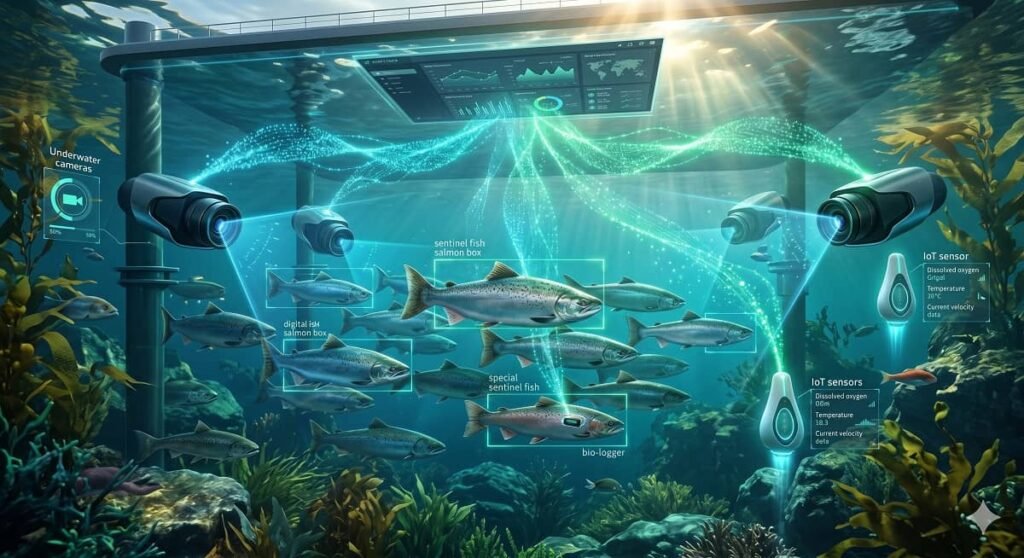
According to Pietsch (2025) and Planellas et al. (2026), there is a strong institutional and commercial push toward adopting emerging technologies—such as Artificial Intelligence (AI), computer vision systems, implantable biosensors, acoustic telemetry, and “digital twins”—which enable the real-time monitoring of biological indicators within production units.
Innovation in Preventive Diagnosis
These cutting-edge methodologies overcome the limitations of traditional 2D behavioral cameras and isolated serum cortisol analyses. In this regard, Barreto et al. (2021) point out that contemporary systems incorporate refined and automated metrics that act as preventive diagnostic tools, facilitating the early detection of any welfare impairment in the stock long before production losses manifest. The primary technologies used to monitor fish welfare, classified into their respective operational categories, are analyzed below:
Optical Technologies, Computer Vision, and Artificial Intelligence (AI)
Optical tools are currently employed to assess outcome-based Operational Welfare Indicators (OWIs) by monitoring the behavior and physical health of the stock in a completely non-invasive manner. The main innovations within this analytical field include:
Advanced Camera Systems
The deployment of 3D stereo camera technology, omnidirectional lenses, and autonomous vehicles (both aerial and underwater drones) enables real-time monitoring of spatial distribution, swimming velocity vectors, and collective schooling behavior in both land-based tanks and sea cages (Planellas et al., 2026).
However, Fitzgerald et al. (2025) report that while video surveillance possesses disruptive potential to transform aquaculture monitoring, critical challenges remain before its widespread adoption; specifically, the algorithmic capacity to detect ectoparasites and incipient pathologies, identify subtle behavioral anomalies, and operate effectively across different taxa, particularly in crustaceans.
Artificial Intelligence and Machine Learning
According to Folkman et al. (2026), applying deep learning algorithms to video streams automates critical tasks such as sea lice counting, external laceration detection, ventilation rate measurement (respiratory frequency via bucco-opercular kinematics), and the quantitative assessment of feeding intensity.
In this regard, Fitzgerald et al. (2025) examined the practical applications of computer vision (CV), noting that its most widespread commercial use focuses on estimating growth and biomass metrics. However, they warn that the development of modules dedicated to predictive welfare aspects—such as parasite mapping or the early detection of stress responses—remains lagged.
Individual Biometric Recognition (iFarm Technology)
Gonzalez (2025) reported the use of computer vision to identify individual pigmentation patterns and cephalic geometry for each specimen. This innovation allows for the structuring of a personalized medical history and the automatic sorting of individuals requiring treatments, thereby mitigating physical handling stress and reducing the cumulative mortality rate.
Hyperspectral Imaging
This technology converges advanced digital photography with visible and near-infrared (NIR) light spectroscopy to quantify tissue chemical compositions. Noble et al. (2025) highlight that it enables highly accurate diagnosis of lipid deposition levels in the liver (hepatic steatosis), identification of early sea lice stages, precise determination of smoltification status in salmonids, and the indexing of cutaneous micro-lesions such as hemorrhages or initial fin erosions.
Telemetry and Bio-loggers (Physiological Sensors)
With the purpose of obtaining continuous, high-resolution data on the physiological status of fish under free-swimming conditions, the industry utilizes electronic microdevices (tags). These advanced systems are surgically implanted or externally attached to the biomass, and their monitoring architecture is based on the following scientific applications:
- Implantable Biosensors: According to Planellas et al. (2026), these electronic tags operate as real-time biosensors, automatically recording critical individual metabolic parameters such as heart rate via electrocardiograms (ECGs), fluctuations in blood glucose levels, swimming acceleration vectors, and micro-muscular activity through electromyograms (EMGs).
- Opercular Accelerometry and “Sentinel Fish”: Noble et al. (2025) highlight the use of specific high-fidelity technologies, such as the AEFishBIT device (a miniaturized accelerometer attached directly to the operculum). This system measures physical activity and respiration rate—used as a proxy for basal metabolism—to quantitatively assess how specimens habituate to stress and respond to variations in the water environment.
- Population Strategy: By continuously monitoring a select group of instrumented “sentinel fish,” producers and scientists can infer, with a high degree of statistical certainty, the general welfare status of the remaining cultured population within the same pond or sea cage (Noble et al., 2025).
Acoustic Technologies (Active and Passive)
The use of acoustics is technologically vital in open marine environments and flow-through systems, where critical factors such as water turbidity, sedimentation, or light scarcity severely limit the efficacy of conventional optical cameras. Hydroacoustic tools applied to welfare assessment are divided into two primary fields:
- Sonar and Echo Sounders (Active Acoustics): These technologies emit controlled sound pulses through the water column to precisely measure the spatial distribution, density, and total biomass of the school (Bjelland et al., 2024; Noble et al., 2025). According to Gonzalez (2025), advanced commercial systems like CageEye use integrated echo sounders coupled with machine learning algorithms—employing advanced architecture models such as EchoBERT—to classify collective behavioral patterns. This automation generates early warnings for behavioral anomalies that suggest predator incursions or the onset of epidemiological outbreaks in the stock.
- Passive Acoustic Monitoring (PAM): Unlike active systems, Passive Acoustic Monitoring (PAM) utilizes high-sensitivity hydrophones to “listen” to the hydrodynamic environment without emitting signals that could alter the organisms’ behavior.
- Biological Detection: It captures and records sound frequencies associated with fish feeding dynamics, as well as identifying specific “acoustic stress signatures” (low-frequency involuntary sounds produced by species like Atlantic salmon during critical crowding or severe hypoxia events).
- Environmental Auditing: It functions as a control tool to verify that anthropogenic and environmental noise (caused by vessels, pumping systems, or feed blowers) does not reach decibel thresholds detrimental to animal homeostasis (Planellas et al., 2026).
Environmental Sensors (IoT) and Predictive Intelligence
Continuously guaranteeing the physicochemical quality of the water effluent constitutes the fundamental pillar for ensuring animal welfare, requiring the automated monitoring of resource- or input-based indicators. The primary technological tools supporting this predictive infrastructure include:
- Sensor Networks and Autonomous Vehicles: The deployment of static digital probes coupled with Internet of Things (IoT) technology, complemented by mobile robotic systems—such as Remotely Operated Vehicles (ROVs) and Autonomous Underwater Vehicles (AUVs)—enables the constant surveillance of critical variables like dissolved oxygen, pH, temperature, carbon dioxide, and ammonia concentrations across different strata and depths of the facility (Noble et al., 2025). Furthermore, in open-ocean operations, advanced satellite data (Earth Observation) are utilized to forecast and mitigate the impacts of harmful algal blooms (HABs) or sudden thermal anomalies.
- Predictive Models and Automation: Through machine learning algorithms—such as Random Forest or Artificial Neural Networks (ANNs)—the big data captured by water sensors are processed in real time to proactively predict, classify, and index the biomass health status (healthy, stressed, or at imminent risk of mortality). This preventive approach enables the remote and automated activation of environmental control systems, such as engaging emergency aerators or massive nanobubble oxygenation, intervening opportunistically before irreversible biological damage occurs (Fandiño et al., 2025).
- The Future of the Sector: “Digital Twins“: The synergetic convergence of all these technologies, by tightly linking the specimen’s physiological response with the macroenvironmental fluctuations of its surroundings, points toward the development and implementation of “digital twins.” These interconnected virtual replicas of production units will optimize real-time managerial decision-making, prevent chronic animal suffering, and significantly elevate the sustainability indices of the global aquaculture industry.
How to Improve Positive Animal Welfare in Aquaculture?
Maia et al. (2024a) conclude that, to reliably optimize animal welfare in aquaculture, the industry must strictly prioritize respecting the reproductive needs of the species, implementing humane slaughter practices, and strategically using appropriate substrates. Meanwhile, Gonzalez (2025) groups these actions into five methodological welfare pillars where the technological and commercial sectors are successfully innovating:
- Advanced Water Quality Optimization: Automation of continuous monitoring through Artificial Intelligence (AI), adoption of Integrated Multi-Trophic Aquaculture (IMTA) systems, and application of nanobubble oxygenation technology.
- Management of Space Requirements and Stocking Density: Precise calibration of containment structures to respect natural distribution patterns and prevent critical crowding.
- Adaptive Environmental Enrichment: Culture models based on individual behavior and the design of habitats that replicate the species’ natural conditions.
- Precision Feeding and Sustainable Diet Composition: Formulation of fishmeal- and fish-oil-free diets combined with the deployment of automated underwater feeding systems.
- Humane Stunning and Slaughter: Mandatory transition toward rapid, painless, and irreversible stunning methods before processing.
Environmental Enrichment: Strategies to Promote Positive Welfare
Emam et al. (2025) highlight that confining tilapia in sterile culture systems—characterized by the absence of structural complexity or substrates—negatively impacts their psychological welfare. This structural deprivation induces hypersensitivity states and exacerbated fear responses to novel stimuli, such as transport or routine handling. Conversely, providing substrates at the bottom of containment structures stimulates positive natural behaviors, facilitating males to build and defend their reproductive nests.
According to Planellas et al. (2025), to actively promote positive welfare, the primary strategy lies in the deployment of environmental enrichment programs. Designing and implementing biologically more complex environments grants specimens the opportunity to experience rewarding situations, possess behavioral choices, and actively pursue goals to achieve their required homeostatic outcomes. In line with this, Spiliopoulos et al. (2025) state that both the welfare and physiological resilience of farmed fish can be significantly optimized through two specific strategies: the induction of physical exercise and training based on the predictability of stressors.
Optimizing RAS Systems through Habitat Structuring
According to Fruscella et al. (2025), to counteract the intrinsic sterility of Recirculating Aquaculture Systems (RAS) and achieve an optimal allostatic model, implementing a comprehensive environmental enrichment approach is fundamental. The success of this model lies in increasing habitat complexity through five dimensions of technical intervention:
- Physical: Strategic incorporation of benthic substrates and artificial shelters.
- Sensory: Chromatic manipulation and introduction of controlled visual or tactile stimuli.
- Dietary: Programmed variation in pellet typology and diversification in feed delivery mechanisms.
- Social: Precise management of stocking density to stabilize dominant territorial hierarchies.
- Occupational: Regulation of induced water currents and directional hydro-flows to promote swimming exercise.
Various studies confirm that the convergence of these practices mitigates chronic stress and enhances stock resilience against pathological challenges (Fruscella et al., 2025). In this regard, Kumar and Neppolian (2025) demonstrate that environmental enrichment significantly reduces stress biomarkers, decreases harmful aggressive interactions, and improves both immunocompetence and exponential growth rates. Furthermore, organisms reared under these enriched environments exhibit faster recovery kinetics after exposure to routine stressful activities, such as feeding or tank cleaning processes.
Finally, Spiliopoulos et al. (2026) conclude that environmental enrichment must stop being conceived as a simple peripheral or luxury accessory within facilities. This approach must be formally integrated as a proactive and standardized management tool capable of directly correlating improved animal welfare with the productive and economic sustainability of the global aquaculture industry.
The Use of Bubble Curtains
In this regard, Alvarado et al. (2025) primarily highlight the implementation of bubble curtains as a concrete example of dynamic environmental enrichment designed to optimize welfare in certain aquaculture species. However, the same researchers warn that no habitat modification should be automatically assumed to be beneficial or harmless. For an enrichment strategy of this nature to effectively fulfill its zootechnical purpose, production units must apply rigorous ethological validation tests that conclusively demonstrate the following three criteria in the specimens:
- Environmental Preference: Quantitative evidence that the organism voluntarily chooses to interact with that modified environment.
- Behavioral Motivation: Demonstration that the specimen possesses the necessary motivation—understood as the “willingness to work” or overcome barriers—to reach said stimulus.
- Positive Affective State: Confirmation that the continuous use of this technology effectively translates into a more optimistic emotional state (adaptive judgment bias).
Aquaculture Species Feeding and Nutrition: The Role of Amino Acids
Salamanca and Herrera (2025) report that dietary supplementation with specific amino acids significantly influences the neuroendocrine stress response in fish. These nutritional additives prove highly beneficial for optimizing overall welfare indices, demonstrating maximum prophylactic efficacy when administered preventively immediately before specimens are exposed to chronic or acute stressors. Concurrently, research compiled by Aragão et al. (2025) demonstrates that the strategic supplementation of functional amino acids positively impacts the mitigation of water-induced stress, robustly strengthens cellular immune function, enhances endogenous antioxidant capacity, and consolidates the comprehensive homeostatic health status of the cultured biomass.
Limitations to Implementing Positive Animal Welfare in Aquaculture
The implementation of positive animal welfare strategies in aquaculture—such as environmental enrichment and allostatic resilience training—currently faces significant practical, economic, and biological barriers. The primary limitations identified by science and the commercial industry comprise:
- Operational Viability and High Investment Costs: According to Kumar and Neppolian (2025), the adoption of these preventive measures is often hindered by high initial investment costs, space constraints in pre-existing infrastructure, and a potential reduction in farm production efficiency. Physical enrichment elements, such as benthic substrates or three-dimensional structures, can disrupt and complicate routine maintenance processes. Critical tasks like tank cleaning, biometric fish grading, or final harvesting become more complex, demanding a significant increase in financial resources and skilled labor.
- Health Risks and Biosecurity Compromises: Spiliopoulos et al. (2025, 2026) argue that the use of substrates or other physical structures hinders the rigorous hygiene of culture systems. If these components are not properly designed and managed, they can retain solid organic matter, promote biofouling, and harbor pathogenic agents. This scenario considerably elevates the risk of epidemiological outbreaks within the cultured population.
- Increased Aggression and Counterproductive Ethological Effects: Although enrichment aims to improve quality of life, Spiliopoulos et al. (2025, 2026) warn that poor application can increase agonistic interactions. Competition to monopolize newly introduced resources (such as shelters) often translates into severe physical injuries for subordinate individuals. On the other hand, in occupational enrichment strategies—such as the induction of water currents—insufficient water flow can exacerbate aggressive behavior in gregarious, schooling species, while excessive or prolonged physical exercise can cause skeletal deformities, metabolic exhaustion, and chronic stress.
- Lack of Species-Specific Biological Knowledge: For enrichment to be effective, detailed knowledge of the behavior, life history, and ecological preferences of each taxon is required. The problem lies in the fact that the aquaculture industry rears more than $300$ different species, and basic behavioral data are lacking for the vast majority of them. The efficacy of positive welfare is highly species-dependent, ontogenetic stage-specific, and rearing system-dependent, which hinders the standardization of operational manuals (Spiliopoulos et al., 2025, 2026). In this regard, Martins et al. (2011) demonstrate that the same behavioral change can signify optimal or poor welfare depending on the evaluated species:
- Interspecific Ethological Variation: An increase in swimming speed during feeding can indicate underfeeding stress in Atlantic cod (Gadus morhua) or gilthead seabream (Sparus aurata); however, in Atlantic halibut (Hippoglossus hippoglossus), this pattern simply reflects a natural motivation for foraging.
- In the specific case of ornamental fish, Maia et al. (2025) report that assessing stress is a complex task. Their small size prevents the use of traditional industrial aquaculture techniques (such as peripheral blood sampling for serum cortisol measurement), and the immense diversity of species makes it difficult to standardize indicators. The study suggests that systematic behavioral observation and visual indicators—such as skin coloration changes, wounds, opercular ventilation frequency, and swimming patterns—constitute the most viable tools to monitor their health.
- Difficulties in Stock Observation and Monitoring: The introduction of materials to increase habitat complexity (such as artificial plants or shelters) can drastically limit continuous visual monitoring opportunities. Because fish tend to hide, it interferes with the operators’ inspection capacity or the coverage range of computer vision systems to opportunistically assess the health status of the biomass (Planellas et al., 2026).
The Gap Between the Laboratory and the Commercial Industry
Kumar and Neppolian (2025) and Planellas et al. (2026) agree that most successful results on positive welfare come from small-scale studies or controlled laboratory environments. A significant gap exists in translating these findings into real mass-production conditions. Because adapting new methodologies can initially contract profitability, the industry often shows resistance to adopting large-scale structural changes.
Concurrently, Fruscella et al. (2025) reaffirm that the main obstacles to the commercial application of environmental enrichment lie in the enormous phylogenetic diversity of fish—which requires strategies to be specific to each life stage—and in operational challenges, highlighting increased costs, maintenance difficulties, and biosecurity risks due to the accumulation of organic waste on the implanted structures.
Conclusion: The Future of Animal Welfare in Commercial Aquaculture
Scientific research has radically transformed the animal welfare paradigm in aquaculture, elevating it from a secondary issue into a highly structured field of study. Currently, the sector possesses validated assessment models, composite indicator matrices, enriched environment designs, and emerging humane slaughter protocols. Nonetheless, the majority of commercially farmed aquatic species still exhibit a documented deficient welfare status, compounded by persistent gaps in baseline knowledge. Consequently, it is crucial to sustain continuous interspecific research and accelerate the implementation of these diagnostic tools across production units worldwide.
The Challenge of Comprehensive Monitoring and Automation
Today, specimen welfare is audited through integrated indicator systems that synergistically encompass environmental, health, physiological, behavioral, and increasingly, affective or emotional dimensions. Within this assessment ecosystem, metrics linked to behavior and morphological health are fundamental due to their high biological sensitivity and their viability for direct field application. Concurrently, cutting-edge structured tools—such as the MyFishCheck platform, taxon-specific toolboxes, and composite welfare indices—play a key role by centralizing multiple individual measurements and transmuting them into a standardized global score. Species specificity, adaptation to the production context, operational feasibility on farms, and the accelerated development of automated, non-invasive monitoring methods emerge as the defining thematic axes on the roadmap of contemporary aquaculture research.
Frequently Asked Questions (FAQs) on Animal Welfare in Aquaculture
What is the Tiered Approach in Aquaculture Welfare Assessment?
It is a stepwise diagnostic method designed to optimize farm operational resources and mitigate handling stress within the biomass. It consists of three stages: Tier 1 applies rapid and passive Operational Welfare Indicators (OWIs) during daily routines (e.g., water quality, schooling behavior); Tier 2 is triggered by baseline alerts and requires individual physical examinations (e.g., lesion detection); and Tier 3 enlists expert personnel to perform advanced laboratory-based welfare indicators (LABWIs), such as histopathology or cellular stress analysis.
How is the level of physical damage measured in farmed fish?
It is assessed using standardized clinical scoring matrices that classify lesion severity in target organs using numerical scales (typically from P0 to P3 or P4). Key macroscopically evaluated Operational Welfare Indicators (OWIs) include ocular damage (cataracts), cranial snout injuries, opercular deformity (respiratory integrity), and fin erosion (structural integrity).
Why are traditional methods such as asphyxiation or ice baths considered inhumane?
Because science has demonstrated that exposing fish to anoxia in air or to severe thermal shock in a water-and-ice slurry causes a distressing and prolonged agony before clinical death occurs. Institutions such as EFSA and WOAH discourage or prohibit them because they activate the animal’s nociceptors (pain receptors) and drastically deteriorate the physicochemical properties of the flesh.
What impact does pre-slaughter stress have on flesh quality?
Acute stress immediately before or during slaughter—caused by crowding, mechanical pumping, or lack of stunning—accelerates cellular catabolism, prematurely depletes adenosine triphosphate (ATP) reserves, and plummets muscle pH. This alters fillet texture, reduces water-holding capacity, and accelerates the post-mortem decomposition rate on the retail counter.
Which stunning methods are recommended by precision aquaculture?
Validated methods include percussive stunning (blunt mechanical impact to the cranial region) and electrical stunning (induction of a controlled current through the central nervous system, preferably while submerged). Both aim to nullify sensitivity and consciousness immediately (< 1 second). Ike Jime (instantaneous anatomical brain spiking) is also prominent, although its mass commercial scalability requires automation.
What is “electro-immobilization” and why does it represent a critical risk?
It is an anomalous state caused by poor calibration in electrical stunning systems, such as inadequate voltage or frequency. Under this scenario, the specimen becomes completely paralyzed physically due to muscular overstimulation, yet remains perfectly conscious and perceptive to pain, which strictly violates the minimum guidelines for humane slaughter.
How is Artificial Intelligence Being Applied to Fish Welfare Monitoring?
AI operates through computer vision systems and deep learning algorithms. These technologies process real-time video streams from 3D cameras or drones to automate critical tasks, including sea lice counting, the measurement of bucco-opercular kinematics (respiratory frequency), feeding intensity, the identification of cutaneous lacerations, and even individual biometric recognition (iFarm technology) based on cephalic geometry.
What is Passive Acoustic Monitoring (PAM) and What is Its Advantage?
It is a technology that utilizes high-sensitivity hydrophones installed in culture units to “listen” to the underwater environment without emitting signals that alter animal behavior. It enables the capture of sound frequencies from feeding dynamics, the detection of involuntary acoustic stress signatures (produced by crowding or hypoxia), and the auditing of anthropogenic noise from blowers or vessels to ensure it does not compromise stock homeostasis.
What limitations hinder the commercial implementation of environmental enrichment?
The primary obstacles are of an economic, sanitary, and biological nature. These include high initial investment costs, increased labor requirements, and the disruption of routine maintenance tasks (such as cleaning and harvesting). Furthermore, the introduction of physical structures or substrates hinders hygiene, accumulating solid organic matter and biofouling organisms that elevate the risk of epidemiological outbreaks.
Why is it complex to standardize welfare manuals for all aquaculture farms?
This complexity stems from the sector’s immense phylogenetic diversity, rearing more than 300 species with radically distinct life histories and ecological preferences. The efficacy of these strategies is highly dependent on the species, the rearing system (such as RAS or cages), and the ontogenetic stage. Furthermore, the same behavioral indicator can signify opposing states: accelerated swimming denotes underfeeding stress in gilthead seabream, whereas it reflects a natural foraging motivation in Atlantic halibut.
References
Alvarado, M. V., Cerdá-Reverter, J. M., & Espigares, F. (2025). A functional framework for a comprehensive study of welfare in fishes. Proceedings of the Royal Society B: Biological Sciences, 292. https://doi.org/10.1098/rspb.2025.1833
Aragão, C., Engrola, S., & Costas, B. (2025). Amino Acid Supplementation in Fish Nutrition and Welfare. Animals, 15(11), 1656. https://doi.org/10.3390/ani15111656
Ashley, P. J. (2007). Fish welfare: Current issues in aquaculture. Applied Animal Behaviour Science, 104, 199-235. https://doi.org/10.1016/j.applanim.2006.09.001
Barreto, M., Planellas, S. R., Yang, Y., Phillips, C., & Descovich, K. (2021). Emerging indicators of fish welfare in aquaculture. Reviews in Aquaculture. https://doi.org/10.1111/raq.12601
Bjelland, H. V., Folkedal, O., Føre, H. M., Grøtli, E., Holmen, I., Lona, E., Slette, H. T., Størkersen, K. V., & Thorvaldsen, T. (2024). Exposed Aquaculture Operations: Strategies for Safety and Fish Welfare. Reviews in Aquaculture. https://doi.org/10.1111/raq.12964
Brown, C., & Dorey, C. (2019). Pain and Emotion in Fishes – Fish Welfare Implications for Fisheries and Aquaculture. Animal Studies Journal, 8, 175-201. https://doi.org/10.14453/asj.v8i2.12
Browning H (2023) Improving welfare assessment in aquaculture. Front. Vet. Sci. 10:1060720. doi: 10.3389/fvets.2023.1060720
Campbell DLM, Lee C. 2025. A review of behavioral testing in decapod shrimp (Caridea) and prawns (Dendrobranchiata) with applications for welfare assessment in aquaculture. PeerJ 13:e18883 https://doi.org/10.7717/peerj.18883
Cavallino, L., Rincón, L., & Scaia, M. F. (2023). Social behaviors as welfare indicators in teleost fish. Frontiers in Veterinary Science, 10. https://doi.org/10.3389/fvets.2023.1050510
Ciliberti, R., Alfano, L., & Petralia, P. (2023). Ethics in aquaculture: animal welfare and environmental sustainability. Journal of Preventive Medicine and Hygiene, 64, E443 – E447. https://doi.org/10.15167/2421-4248/jpmh2023.64.4.3136
Dara, M., Carbonara, P., La Corte, C., Parrinello, D., Cammarata, M., & Parisi, M. (2023). Fish Welfare in Aquaculture: Physiological and Immunological Activities for Diets, Social and Spatial Stress on Mediterranean Aqua Cultured Species. Fishes. https://doi.org/10.3390/fishes8080414
Emam, W., Lambert, H., & Brown, C. (2025). The welfare of farmed Nile tilapia: a review. Frontiers in Veterinary Science, 12. https://doi.org/10.3389/fvets.2025.1567984
Fandiño Pelayo, J. S., Mendoza Castellanos, L. S., Ortega, R. C., & Hernández-Rojas, L. G. (2025). AI-Driven Monitoring for Fish Welfare in Aquaponics: A Predictive Approach. Sensors (Basel, Switzerland), 25(19), 6107. https://doi.org/10.3390/s25196107
Fitzgerald, A., Ioannou, C. C., Consuegra, S., & Dowsey, A. (2025). Machine Vision Applications for Welfare Monitoring in Aquaculture: Challenges and Opportunities. Aquaculture, Fish and Fisheries, 5(1), e70036. https://doi.org/10.1002/aff2.70036
Fruscella, L., Passantino, A., & Kotzen, B. (2026). Fish Welfare in Recirculating Aquaculture Systems (RAS): The Imperative for Environmental Enrichment (EE). Animals, MDPI, 16 4. https://doi.org/10.3390/ani16040635
Folkman, L., Vo, Q. L., Johnston, C., Stantic, B., & Pitt, K. A. (2026). A computer vision method to estimate ventilation rate of Atlantic salmon in sea fish farms. Aquacultural Engineering, 112, 102645. https://doi.org/10.1016/j.aquaeng.2025.102645
Gonzalez, T. (2025). Harmonizing Animal Health and Welfare in Modern Aquaculture: Innovative Practices for a Sustainable Seafood Industry. Fishes. https://doi.org/10.3390/fishes10040156
Huntingford, F., & Kadri, S. (2014). Defining, assessing and promoting the welfare of farmed fish. Revue scientifique et technique, 33 1, 233-44. https://doi.org/10.20506/rst.33.1.2286
Kumar, M. R., & K, Neppolian (2025). Improving Domestic Fish Welfare in Aquaculture Through Environmental Enrichment and Social Structure Management. Journal of Animal Environment. https://doi.org/10.70102/aej.2025.17.2.33
Lambert H, Gräns A, Sneddon LU, Tietge K, Sinclair M. 2026. Stunning methods in aquaculture slaughter and their implications for fish welfare. PeerJ 14:e21258 https://doi.org/10.7717/peerj.21258
Lertwanakarn, T., Purimayata, T., Luengyosluechakul, T., Grimalt, P. B., Pedrazzani, A. S., Quintiliano, M., & Surachetpong, W. (2023). Assessment of Tilapia (Oreochromis spp.) Welfare in the Semi-Intensive and Intensive Culture Systems in Thailand. Animals, 13. https://doi.org/10.3390/ani13152498
Maia, C. M., Saraiva, J. L., & Gonçalves-de-Freitas, E. (2024a). Fish welfare in farms: potential, knowledge gaps and other insights from the fair-fish database. Frontiers in Veterinary Science, 11. https://doi.org/10.3389/fvets.2024.1450087
Maia, C. M., Saraiva, J. L., Volstorf, J., & Gonçalves-de-Freitas, E. (2024b). Surveying the welfare of farmed fish species on a global scale through the fair-fish database. Journal of fish biology. https://doi.org/10.1111/jfb.15846
Maia, C. M., Gauy, A. C., & Gonçalves-de-Freitas, E. (2025). Fish Welfare in the Ornamental Trade: Stress Factors, Legislation, and Emerging Initiatives. Fishes, 10(5), 224. https://doi.org/10.3390/fishes10050224
Martins, C., Galhardo, L., Noble, C., Damsgård, B., Spedicato, M., Zupa, W., Beauchaud, M., Kulczykowska, E., Massabuau, J., Carter, T., Planellas, S. R., & Kristiansen, T. (2011). Behavioural indicators of welfare in farmed fish. Fish Physiology and Biochemistry, 38, 17 – 41. https://doi.org/10.1007/s10695-011-9518-8
Mercogliano, R., Avolio, A., Castiello, F., & Ferrante, M. C. (2024). Development of Welfare Protocols at Slaughter in Farmed Fish. Animals from MDPI, 14. https://doi.org/10.3390/ani14182730
Noble, C., Abbink, W., Alvestad, R., Ardó, L., Bégout, M., Bloecher, N., Burgerhout, E., Calduch-Giner, J., Chivite-Alcalde, M., Císar, P., Durland, E., Espmark, Å., Falconer, L., Føre, M., Georgopoulou, D. G., Heia, K., Helberg, G. A., Gomez, D. I., Johansen, L., . . . Østbye, T. K. (2025). Welfare Indicators for Aquaculture Research: Toolboxes for Five Farmed European Fish Species. Reviews in Aquaculture. https://doi.org/10.1111/raq.70109
Oh, S., & Lee, S. (2024). Fish Welfare-Related Issues and Their Relevance in Land-Based Olive Flounder (Paralichthys olivaceus) Farms in Korea. Animals from MDPI, 14. https://doi.org/10.3390/ani14111693
Pedrazzani, A. S., Tavares, C. P. S., Quintiliano, M., Cozer, N., & Ostrensky, A. (2022). New indices for the diagnosis of fish welfare and their application to the grass carp (Ctenopharyngodon idella) reared in earthen ponds. Aquaculture Research. https://doi.org/10.1111/are.16105
Pedrazzani, A. S., Cozer, N., Quintiliano, M., Tavares, C. P. S., Biernaski, V., & Ostrensky, A. (2023). From egg to slaughter: monitoring the welfare of Nile tilapia, Oreochromis niloticus, throughout their entire life cycle in aquaculture. Frontiers in Veterinary Science, 10. https://doi.org/10.3389/fvets.2023.1268396
Pietsch, C. (2025). Editorial: Fish Welfare in Aquaculture and Research—Where Are We Going? Animals, 15(16), 2367. https://doi.org/10.3390/ani15162367
Planellas, S. R., Saraiva, J. L., Gonçalves-de-Freitas, E., Arechavala-Lopez, P., Bovenkerk, B., Breen, M., Cooke, S. J., Føre, M., Northwood, L., Stien, L. H., Kadri, S., Noble, C., Nilsson, J., Rodriguez, F., Salas, C., & Sandøe, P. 2026. Fish welfare in a changing world: New developments and current challenges. Journal of Fish Biology. https://doi.org/10.1111/jfb.70423
Rault, J. L., Bateson, M., Boissy, A., Forkman, B., Grinde, B., Gygax, L., … & Jensen, M. B. (2025). A consensus on the definition of positive animal welfare. Biology letters, 21(1).
Salamanca, N., & Herrera, M. (2025). Amino Acids as Dietary Additives for Enhancing Fish Welfare in Aquaculture. Animals, 15(9), 1293. https://doi.org/10.3390/ani15091293
Segner, H., Sundh, H., Buchmann, K., Douxfils, J., Sundell, K., Mathieu, C., Ruane, N., Jutfelt, F., Toften, H., & Vaughan, L. (2012). Health of farmed fish: its relation to fish welfare and its utility as welfare indicator. Fish Physiology and Biochemistry, 38, 85-105. https://doi.org/10.1007/s10695-011-9517-9
Spiliopoulos, O., Brown, C., Hilder, P., Tilbrook, A., & Descovich, K. (2025). The Path to Resilience: Improving Welfare in Aquaculture Through Physical Exercise and Stressor Predictability Training. Reviews in Aquaculture, 17(3), e70051. https://doi.org/10.1111/raq.70051
Spiliopoulos, O., Kadri, S., Sinclair, M., Vanderzwalmen, M., & Brown, C. (2026). Environmental Enrichment in Aquaculture: Linking Welfare Goals to Practical Applications. Reviews in Aquaculture, 18(2), e70142. https://doi.org/10.1111/raq.70142
Stien, L.H., Bracke, M., Noble, C., Kristiansen, T.S. (2020). Assessing Fish Welfare in Aquaculture. In: Kristiansen, T., Fernö, A., Pavlidis, M., van de Vis, H. (eds) The Welfare of Fish. Animal Welfare, vol 20. Springer, Cham. https://doi.org/10.1007/978-3-030-41675-1_13
Toni, M., Manciocco, A., Angiulli, E., Alleva, E., Cioni, C., & Malavasi, S. (2018). Review: Assessing fish welfare in research and aquaculture, with a focus on European directives. Animal : an international journal of animal bioscience, 13 1, 161-170. https://doi.org/10.1017/s1751731118000940
Tschirren, L., Bachmann, D., Güler, A., Blaser, O., Rhyner, N., Seitz, A., Zbinden, E., Wahli, T., Segner, H., & Refardt, D. (2021). MyFishCheck: A Model to Assess Fish Welfare in Aquaculture. Animals from MDPI, 11. https://doi.org/10.3390/ani11010145
Wuertz, S., Bierbach, D., & Bögner, M. (2023). Welfare of Decapod Crustaceans with Special Emphasis on Stress Physiology. Aquaculture Research, 2023(1), 1307684. https://doi.org/10.1155/2023/1307684

Editor at the digital magazine AquaHoy. He holds a degree in Aquaculture Biology from the National University of Santa (UNS) and a Master’s degree in Science and Innovation Management from the Polytechnic University of Valencia, with postgraduate diplomas in Business Innovation and Innovation Management. He possesses extensive experience in the aquaculture and fisheries sector, having led the Fisheries Innovation Unit of the National Program for Innovation in Fisheries and Aquaculture (PNIPA). He has served as a senior consultant in technology watch, an innovation project formulator and advisor, and a lecturer at UNS. He is a member of the Peruvian College of Biologists and was recognized by the World Aquaculture Society (WAS) in 2016 for his contribution to aquaculture.