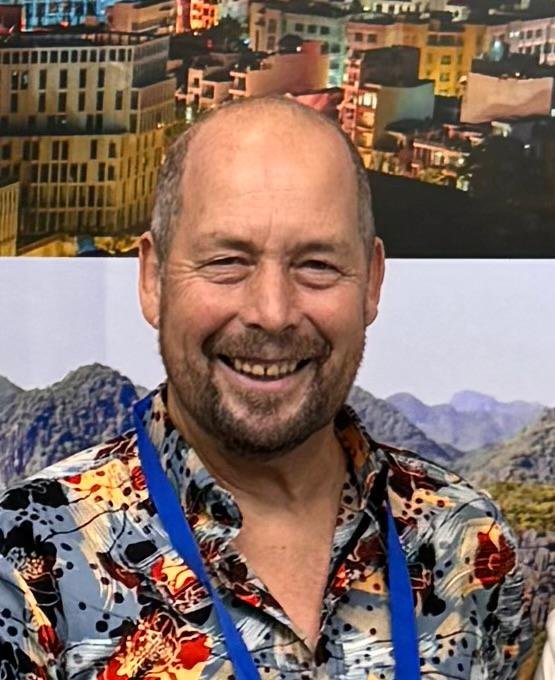
Dar es Salaam, Tanzania — Professor Emeritus Peter Britz, from the Department of Ichthyology and Fisheries Science at Rhodes University, South Africa, has been named the keynote speaker for the World Aquaculture Tanzania 2026 Conference (WA26T). The prestigious international event will take place from December 1 to 4, 2026, in Dar es Salaam.
Over his distinguished career, Professor Britz has played a pivotal role in establishing Rhodes University as a recognized African Union Centre of Excellence in Fisheries and Aquaculture. He currently serves on the African Fisheries Reform Mechanism Advisory Council and has previously held leadership roles as President of the International Abalone Society and Chairperson of the Aquaculture Association of Southern Africa.
As a leading aquaculture and fisheries specialist, Professor Britz has driven research, sector planning, governance, and policy formulation across the African continent. Notably, he was instrumental in developing South Africa’s abalone farming sector and restoring wild abalone fisheries through stock enhancement—contributions that earned him the International Abalone Society Medal. His expertise spans value chain development, aquaculture governance, and the human dimensions of sustainable development. Recently, he led African Union fisheries policy research at Rhodes University, served as Senior Technical Advisor for the FAO FISH4ACP catfish value chain program in Nigeria, and managed the WAS Africa Chapter AFRAQ conference programs.
Shifting Focus: From Technology Transfer to Value Chain Development
Professor Britz’s keynote address is titled “Why African Aquaculture Development Needs to Shift from a Technology Transfer Focus to a Value Chain Development Approach”.
Africa’s aquaculture sector is evolving from small-scale, low-input production systems into intensive, modern commercial operations embedded in global value chains. This transformation is critical to boosting production, satisfying rising continental fish demand, and building economic competitiveness.

Historically, development initiatives prioritized technology transfer and basic farmer training, often neglecting the human development needs of value chain actors. This gap resulted in low adoption rates for technologies such as in-pond raceways, integrated multi-trophic aquaculture, or climate-smart practices. Professor Britz advocates for a human-centric approach that empowers farmers with practical adult education, data-driven management skills, and robust institutional support—such as credit access—to build profitable, long-term enterprises.
A Global Gathering for Blue Transformation
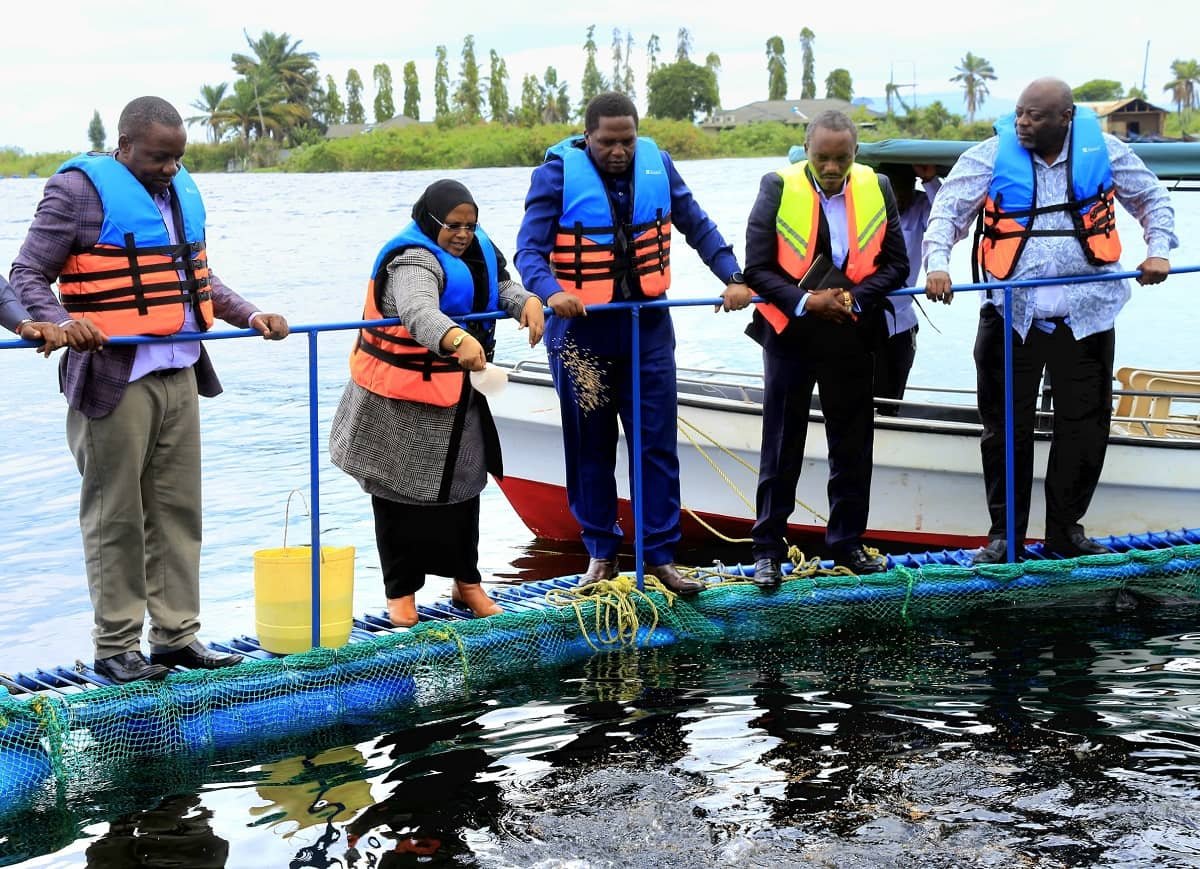
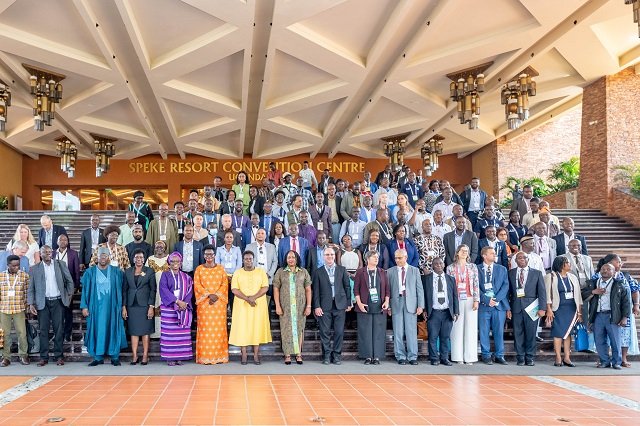
Hosted by the Government of the Republic of Tanzania and Zanzibar under the theme “Aquaculture Driving Blue Transformation,” WA26T will gather stakeholders from nearly 100 countries. Participants will include producers, researchers, policymakers, industry leaders, development partners, and students.
As one of Africa’s top aquaculture producers, Tanzania offers an ideal venue for knowledge exchange, networking, and collaborative problem-solving. The conference will feature plenary sessions, research presentations, and an industry exhibition showcasing cutting-edge innovations.
For registration, abstract submissions, exhibition details, and travel information, visit the official WA26T portal at https://was.org/meeting/code/afraq26. General inquiries can be directed to the WAS-AC Secretariat at africanchapter@was.org.
Mantente siempre informado
Stay Informed
Únete a nuestras comunidades para recibir al instante las noticias, informes y análisis más importantes del sector acuícola.
Join our communities to get instant access to the most important news, reports, and analysis from the aquaculture industry.

Editor at the digital magazine AquaHoy. He holds a degree in Aquaculture Biology from the National University of Santa (UNS) and a Master’s degree in Science and Innovation Management from the Polytechnic University of Valencia, with postgraduate diplomas in Business Innovation and Innovation Management. He possesses extensive experience in the aquaculture and fisheries sector, having led the Fisheries Innovation Unit of the National Program for Innovation in Fisheries and Aquaculture (PNIPA). He has served as a senior consultant in technology watch, an innovation project formulator and advisor, and a lecturer at UNS. He is a member of the Peruvian College of Biologists and was recognized by the World Aquaculture Society (WAS) in 2016 for his contribution to aquaculture.