- 1 Takeaways
- 2 What Is the Platy Fish? Taxonomy, Origin, and Lifespan
- 3 Natural Habitat and Distribution of the Platy Fish
- 4 Commercial Types and Varieties of the Platy Fish
- 5 Platy Fish Care: Water Parameters, Equipment, and Welfare
- 6 Platy Fish Nutrition and Diet: Basal Feeds, Supplementation, and Scientific Evidence
-
7
How to Breed Platy Fish: Sexual Dimorphism, Maturation, and Reproductive Cycle
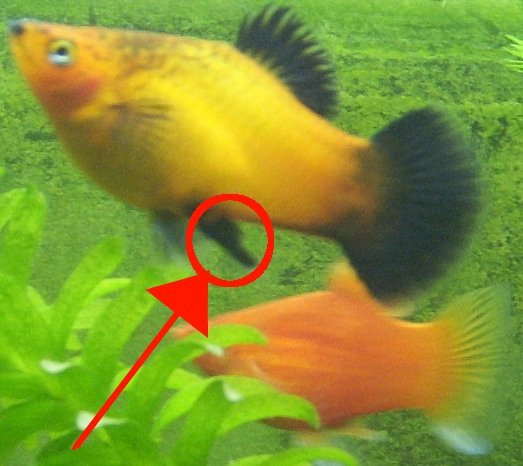
- 7.1 Identifying Sexual Dimorphism: The Gonopodium
- 7.2 Gonadal Maturity and Parturition Dynamics
- 7.3 The Sperm Storage Phenomenon: Gestational Physiology in the Platy Fish
- 7.4 Sexual Selection and Environmental Factors in Reproductive Success
- 7.5 The Sex Ratio Debate: 1:1 vs. 1 Male per 2–3 Females
- 7.6 Broodstock Selection and Parturition Management in the Platy Fish
- 7.7 Biotechnology and Reproductive Adaptations in the Platy Fish
- 7.8 Natural Maternity Aquaria
- 8 Behavior and Compatibility: Community Experience vs. Scientific Evidence
- 9 Diseases Affecting Platy Fish
- 10 The Platy Fish in Science: A Biomedical Oncology Model and Vector Control Agent for Dengue
- 11 Conclusions and Future Perspectives on Platy Fish Culture
-
12
Frequently Asked Questions (FAQ) Regarding the Platy Fish (Xiphophorus maculatus)
- 12.1 What are the ideal water parameters for platy fish?
- 12.2 How can you differentiate a male platy from a female?
- 12.3 Why does a female platy continue to give birth without a male in the aquarium?
- 12.4 What is the recommended male-to-female sex ratio in the aquarium?
- 12.5 Which feeds enhance color vibrancy and growth performance in platy fish?
- 12.6 Is it better to use plastic breeding traps or planted maternity aquaria?
- 13 References
- 14 Entradas relacionadas:
Takeaways
- Taxonomy and Origin: A poeciliid species native to river basins across Central America and Mexico, modern commercial strains stem from selective breeding and hybridization between X. maculatus and X. variatus.
- Water Parameters: They require a minimum tank capacity of 40–80 liters, maintained at 20–26°C, a pH range of 6.8–8.5, and moderate-to-high water hardness (9–20 dGH).
- Diet and Supplementation: As omnivores, juveniles thrive on an 8% daily feeding ration; their regimen benefits from microalgae (Dunaliella, Spirulina) or plant-based additives (Amaranthus, Azolla) for color enhancement, alongside vitamin C (150 mg/kg), probiotics, and insect meal (up to 50% Tenebrio molitor).
- Dimorphism and Reproduction: Males possess a specialized gonopodium while females feature a fan-shaped anal fin; as ovoviviparous fish capable of superfetation via sperm storage, they undergo a 26–29 day gestation period yielding 20–80 fry per brood.
- Sex Ratio and Social Dynamics: A sex ratio of 1 male to 2–3 females is advised in community aquaria to curb harassment, whereas all-male groups require at least 5–6 specimens with ample shelter to mitigate hierarchical aggression.
- Fry Rearing: Densely planted breeding tanks utilizing Egeria densa and aquatic mosses are preferred over commercial breeding traps, with broodstock removed post-parturition to prevent filial cannibalism.
- Fish Health and Pathology: The species is vulnerable to parasitic trematodes such as Centrocestus formosanus (requiring vector control of the snail Melanoides tuberculata) and nematodes like Eustrongylides ignotus.
- Scientific Significance: They serve as vital model organisms in oncology research—particularly melanoma studies and genomic sequencing—and act as effective larvivorous bio-controllers targeting Aedes aegypti to suppress dengue transmission.
Alongside the guppy, the platy stands as the most popular livebearer in freshwater aquaristics, renowned for its hardiness, vibrant chromatic diversity, prolific breeding, and resilience to the common missteps of novice hobbyists. Far beyond its reputation as an accessible species, however, it boasts a compelling biological profile—serving both as a pivotal model organism in oncology research and as an effective biocontrol agent against dengue vectors.
This guide synthesizes the essential technical criteria for successfully selecting, acclimating, feeding, and breeding platies, incorporating validated water quality parameters, evidence-based dietary regimens, and actionable husbandry protocols to mitigate mating harassment, support high fecundity, and manage common gastrointestinal disorders.
What Is the Platy Fish? Taxonomy, Origin, and Lifespan
Scientific Classification and Distinctions Between Xiphophorus maculatus and Xiphophorus variatus
The common name “platy” encompasses several species within the genus Xiphophorus (family Poeciliidae), alongside guppies, mollies, and swordtails. The two foundational species of primary ornamental relevance are:
- Xiphophorus maculatus (Günther, 1866): Known internationally as the Southern platyfish, it constitutes the ancestral genetic lineage for the vast majority of commercial strains in modern aquaristics.
- Xiphophorus variatus (Meek, 1904): Known as the variable platyfish, its wild morph features an olive coloration with melanic marbling along the caudal peduncle; morphologically, it is distinguished from X. maculatus by the presence of small serrae (notches) on the fourth ray of the pectoral fin.
Contemporary commercial strains—such as Mickey Mouse, Wagtail, Coral, Tuxedo, and Sunset—stem from over a century of selective breeding and recurrent interspecific hybridization, which accounts for the substantial morphometric and pattern variability observed under single commercial labels. Both taxa are native to Atlantic drainage basins across Mexico, Guatemala, Belize, and Honduras, inhabiting lentic or slow-moving freshwater systems with sandy substrates and dense submerged vegetation. Their global spread via the ornamental trade has established feral populations across various latitudes (including Colombia, the United States, Indonesia, and Australia), where they are currently classified as introduced species.
Platy Fish Taxonomy
- Phylum: Chordata
- Class: Actinopterygii
- Order: Cyprinodontiformes
- Family: Poeciliidae
- Genus: Xiphophorus
- Scientific name: Xiphophorus maculatus
- Common names (Spanish): Platy, platies
- Common names (English): Southern platyfish, common platy, moonfish
The platy is a prominent model organism in biomedical and evolutionary research. In this domain, Zhang et al. (2011) characterized the Xiphophorus maculatus transcriptome, identifying gene expression profiles linked to sexual differentiation; concurrently, Schartl et al. (2013) achieved the de novo genome assembly and sequencing of X. maculatus, a milestone that elucidated the molecular foundations of its adaptive plasticity and oncogenesis.
Biometrics and Lifespan in Captivity
Morphometric development in platies is governed by morphotype and pronounced sexual dimorphism:
- Females: Reach a total length (TL) of 5–7 cm.
- Males: Measure between 3.5–5 cm, distinguished by the modification of the anal fin into an intromittent organ (gonopodium).
Their typical captive lifespan ranges from 2 to 3 years, extending up to 5 years under optimal biosecurity protocols, balanced nutrition, and strict physicochemical water stability. Premature mortality in home aquaria is primarily driven by fluctuations in critical parameters and high biological load, rather than inherent genetic degeneration.
Natural Habitat and Distribution of the Platy Fish
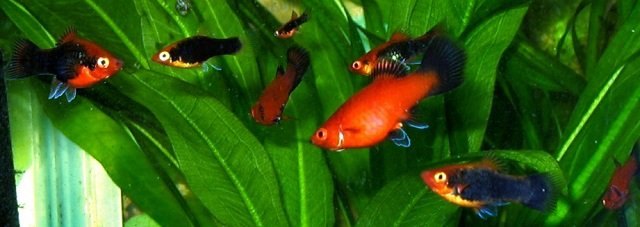
The platy fish is native to the freshwater river basins of Mexico, Guatemala, Belize, and Honduras (Radkhah et al., 2023), though widespread demand within the ornamental trade has driven its global distribution. In its natural environment, this species inhabits both lotic (slow-flowing rivers and streams) and lentic (lakes and lagoons) ecosystems, showing a distinct preference for clear waters featuring sandy substrates and dense submerged vegetation.
Commercial Types and Varieties of the Platy Fish
The spectrum of platy fish varieties (Xiphophorus maculatus) is distinguished by remarkable morphological and chromatic diversity, offering multiple well-established morphotypes developed through decades of selective breeding. Highly prized for their hardiness and ease of care, each commercial strain exhibits distinctive pigmentation patterns and phenotypic traits. Among the most representative and sought-after varieties for community aquaria are the Mickey Mouse platy, the Tuxedo platy, and the Sunset platy, alongside several other key morphotypes:
Mantente siempre informado
Stay Informed
Únete a nuestras comunidades para recibir al instante las noticias, informes y análisis más importantes del sector acuícola.
Join our communities to get instant access to the most important news, reports, and analysis from the aquaculture industry.
Common Platy Fish (Xiphophorus maculatus)
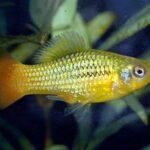
This is the wild variety of Platy fish, which generally has softer colors compared to selectively bred varieties. Common platys are usually of more subdued colors, such as gold, orange, or yellow, with spots on their fins.
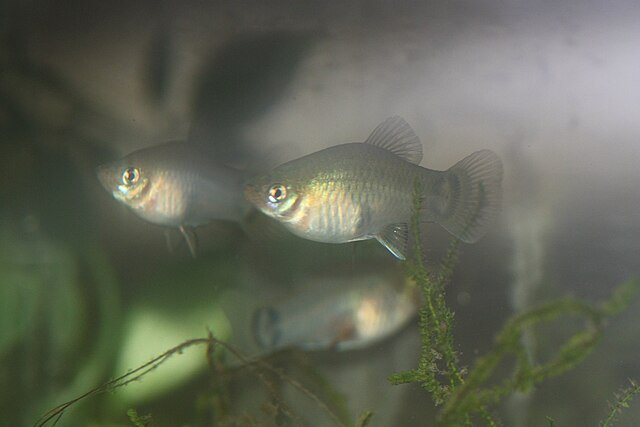
Mickey Mouse Platy Fish
The Mickey Mouse platy derives its name from a distinctive arrangement of three black spots on the caudal peduncle, geometrically evoking the silhouette of the famous animated character. Rather than representing an independent taxon, this variety is a well-established chromatic pattern fixed through selective breeding across vivid base colors such as red, orange, blue, or yellow.
Key Identification and Husbandry Criteria:
- Color Polymorphism: The “Mickey” caudal marking expresses alongside diverse base colorations and morphotypes (e.g., Red Mickey Mouse, Metallic Blue, or combined Tuxedo patterns).
- Standard Water Parameters and Care: Its physicochemical requirements, dietary guidelines, and schooling behaviors align fully with baseline species standards, requiring no specialized care protocols.
- Suitability for Beginners: High hardiness and widespread commercial availability make this one of the most accessible and recommended ornamental varieties for novice aquarists.
- Genetic Fixation: When crossed with other phenotypic variants, the caudal trait may segregate or dilute in subsequent progeny; maintaining a true-breeding line requires isolating broodstock from contrasting color patterns.
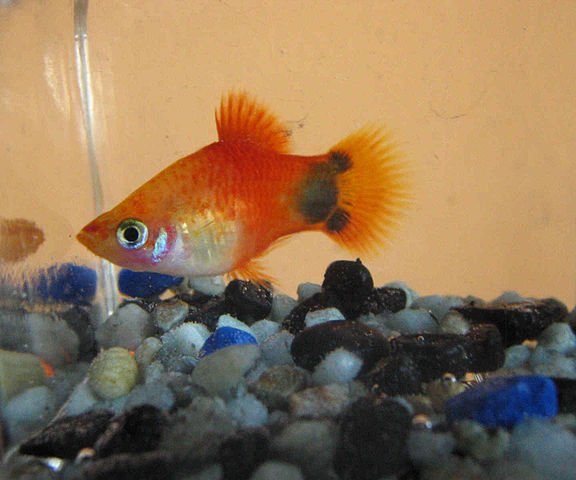
Tuxedo Platy Fish
Tuxedo platys are characterized by their dark-colored bodies, such as black, blue, or brown, with a wide stripe on the back that resembles a tuxedo. This variety creates a strong contrast between the dark body and the colorful fins.

Sunset Platy
Sun platys typically have a bright yellow body that resembles the sun’s glow. They often feature orange or red spots on their fins and body, giving them a warm and sunny appearance.
Coral Platy Fish
These platys are known for their vibrant colors that resemble coral tones. They have orange or pinkish bodies with contrasting fins, giving them a striking appearance.
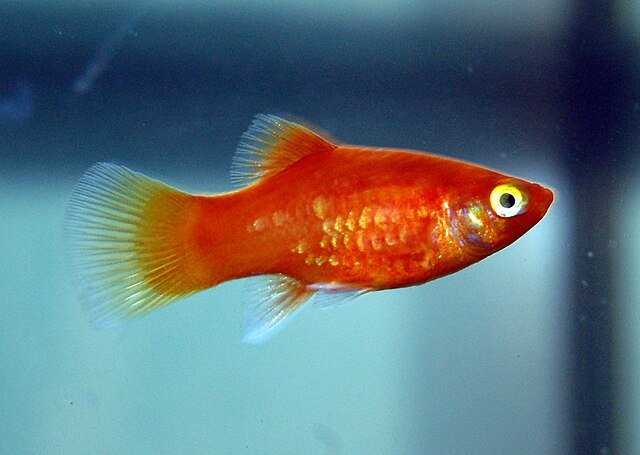
Wagtail Platy Fish
Wagtail platys have a tail with a “wag” or wavy movement, which gives them their name. They can have a variety of colors on their body and fins, but their distinctive feature is the shape of the tail.
Red Wagtail Platy Fish
Similar to wagtail platys, red wagtails have tails with a “wag” shape but with a bright red color, making them particularly striking.
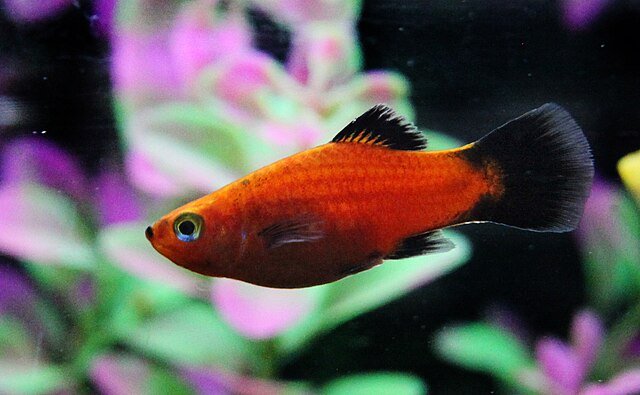
Each platy variety offers a distinct visual appeal and makes an excellent addition to the community aquarium, allowing selection based on aesthetic preference and aquascaping goals. Regardless of the morphotype chosen, reviewing specific husbandry guidelines ensures optimal welfare and vitality.
Comparative Guide to Platy Fish Varieties
| Variety | Distinctive Pattern | Care Level | Indicative Price Range* |
| Mickey Mouse | Characteristic three-spot black marking on the caudal peduncle | Very Easy | $2.00–$4.00 / €3.00–€4.00 |
| Tuxedo | Dark, contrasting coloration covering the posterior half of the body | Easy | $3.00–$5.00 / €4.00–€5.00 |
| Wagtail / Red Wagtail | Solid black fins contrasting against a vibrant base color | Easy | $3.00–$5.00 / €4.00–€5.00 |
| Coral | Uniform, solid orange-to-pinkish hue across the flank | Easy | $3.00–$6.00 |
| Sunset | Vibrant gradient transitioning from yellow to orange/red | Easy | $3.00–$5.00 |
| Panda | Translucent white body accented by black markings on the head and fins | Moderate (lower availability) | $4.00–$7.00 |
| Calico / Dalmatian | Irregular, multi-tonal blotches distributed across the body | Easy | $3.00–$6.00 |
| Common / Wild-type | Subdued, cryptic pigmentation reflecting the natural morph | Very Easy | $2.00–$3.00 |
Platy Fish Care: Water Parameters, Equipment, and Welfare
Ensuring the health and welfare of the platy fish (Xiphophorus maculatus) requires establishing a balanced, stable aquatic environment, supported by the species’ high adaptive plasticity and broad physicochemical tolerance. Ethologically, platies exhibit dynamic swimming patterns and pronounced exploratory behavior, shoaling cohesively and interacting with water currents generated by filtration systems.
Key environmental and setup factors include:
- Aquarium Volume: As active swimmers requiring ample space, a minimum volume of 80 liters (~20 gallons) is recommended for a base group, scaling upward with biological load.
- Substrate: Fine-grade sand or smooth gravel facilitates natural foraging without risk of abrasion, while darker substrates reduce stress and enhance chromatic contrast.
- Filtration System: An appropriately sized filter is essential to maintain biological stability and dissolved oxygen levels, supported by routine maintenance.
- Photoperiod: Standard lighting regimens range from 10 to 12 hours daily to emulate natural cycles, though Shimul and Arfine (2020) demonstrated that extended—and even continuous 24-hour—photoperiods can enhance somatic growth rates.
- Aquascaping and Vegetation: Incorporating driftwood, rocks, and submerged plants provides essential shelter to mitigate stress; species such as Java moss, duckweed, and hornwort (Ceratophyllum) optimize habitat quality. Furthermore, Sibagariang (2026) showed that Egeria densa serves as an efficient natural bioremediator in closed systems, establishing that a density of 250 g per 30 L of water maximizes water quality and X. maculatus survival rates.
Table. Key Water Quality Parameters for the Husbandry and Culture of the Platy Fish (Xiphophorus maculatus)
| Parameter | Recommended Range and Optimal Conditions |
| Minimum Volume | 40–80 L (10–20 gal) for small groups |
| Temperature | 18–27°C (Optimal reported: 20–26°C) |
| Total Hardness | ~150 mg/L |
| General Hardness (GH) | 9–20 dGH (tolerates hard water up to 28 dGH) |
| Hydrogen Potential (pH) | 6.8–8.5 (preference for neutral to slightly alkaline media) |
Platy Fish Nutrition and Diet: Basal Feeds, Supplementation, and Scientific Evidence
The platy fish (Xiphophorus maculatus) is an omnivorous species that naturally forages on annelids (Tubifex), microcrustaceans, dipteran larvae, and aquatic macrophytes. In aquaria, their basal diet should consist of highly digestible flakes or micropellets, routinely supplemented with live or frozen fare (Artemia, Daphnia, and mosquito larvae) to enhance phenotypic coloration, immune response, and fecundity.
Larval Rearing Regimens and Feeding Rates
- Starter Diets: Russo et al. (2022) demonstrated that a larval protocol combining commercial flakes, beef liver paste, and live Artemia optimizes specific growth rate (SGR), survival, and adult fecundity.
- Daily Ration: Addressing a fundamental husbandry question, Sapkale et al. (2017) recommend a daily feeding rate of 8% body biomass in juveniles to maximize somatic growth.
Color Enhancers and Functional Feed Additives
- Microalgae and Botanicals: Abdollahi et al. (2019) reported that supplementing with Dunaliella salina-enriched Artemia elevates mucosal immunity and epidermal carotenoid levels in X. maculatus. Similarly, Titin et al. (2024) determined that incorporating 3% Spirulina meal over 30 days significantly intensifies pigmentation.
- Alternative Plant Sources: Vasudhevan et al. (2015) validated that adding 50 g/kg Azolla strengthens immune function and coloration, while Yulianingsih et al. (2026) showed that 9% red amaranth (Amaranthus tricolor) meal serves as an effective natural pigment enhancer without compromising growth performance.
- Vitamins and Probiotics: Aulia (2020) demonstrated that 150 mg/kg of dietary vitamin C optimizes the feed conversion ratio (FCR) and development; concurrently, Abasali and Mohamad (2011) established that 0.09% dietary inclusion of the probiotic Primalac in maternal broodstock enhances fecundity, larval length, and progeny survival.
Alternative Proteins and Emerging Ingredients
- Insect Meals: Das (2023) evaluated insect meal replacements against a commercial control in juvenile X. maculatus, achieving the highest weight gain with yellow mealworm (Tenebrio molitor) (2.134 g ± 0.008), followed by grasshoppers (2.053 g ± 0.012) and crickets (1.346 g ± 0.003), compared to commercial feed (0.827 g ± 0.003).
- Tenebrio molitor Inclusion: Corroborating these findings, Safari et al. (2025) concluded that replacing up to 50% of commercial feed with T. molitor meal substantially enhances zootechnical and immunological indices without inducing physiological stress or altering hepatic enzyme profiles.
Why You Should Avoid Feeding Platies Zebrafish Diets
Although substituting feeds may seem reasonable—given that both are small, omnivorous species—Soria et al. (2023) demonstrated that diets formulated specifically for zebrafish can disrupt the platy’s gut microbiome and compromise digestive health. Consequently, hobbyists should rely on feeds formulated for livebearers or general freshwater tropical fish rather than laboratory diets designed for other model organisms.
Trailing Fecal Casts: Etiology and Clinical Significance
A frequent question in aquaristics concerns platies trailing elongated fecal strings; in most cases, this symptom indicates overfeeding rather than pathology. The standard corrective measure involves moderately reducing the daily feeding ration and diversifying the dietary regimen, while persistent symptoms accompanied by abdominal distension or lethargy warrant investigation for underlying gastrointestinal disorders or endoparasitic infections.
How to Breed Platy Fish: Sexual Dimorphism, Maturation, and Reproductive Cycle
Identifying Sexual Dimorphism: The Gonopodium
For aquarists initiating the culture of Xiphophorus maculatus, sex determination represents an essential step. The species displays pronounced morphological dimorphism primarily evident in the anal fin and the morphology of the pelvic fins:
- Males: Display an evolutionarily modified anal fin termed a gonopodium—an elongated, spiked intromittent organ utilized for sperm transfer and internal fertilization—complemented by more sharply tapered pelvic fins.
- Females: Exhibit a broad anal fin characterized by a conventional fan-shaped or triangular geometry.
Gonadal Maturity and Parturition Dynamics
Specimens of Xiphophorus maculatus achieve functional sexual maturity between 3 and 4 months of age, at which stage males initiate active fertilization. As an internally fertilized livebearing species, females undergo a gestation period ranging from 26 to 29 days (Murakami & Barretto, 2019), consistently producing broods of 20 to 80 viable fry per monthly cycle under optimal zootechnical and environmental conditions (Radkhah et al., 2023).
The Sperm Storage Phenomenon: Gestational Physiology in the Platy Fish
Platies (Xiphophorus maculatus) are ovoviviparous fish in which females internally incubate fertilized oocytes until giving birth to fully developed, free-swimming fry. A critical biological adaptation for aquarists is the female’s capacity to store viable spermatophores within the reproductive tract for months following a single copulation, enabling successive broods without the presence of a male. This parturition cycle recurs every 26 to 29 days, yielding typical broods of 20 to 50 fry, and reaching up to 80 in well-nourished, stable broodstock. Clinically, the most reliable diagnostic indicator of impending parturition is the gravid spot—a hyperpigmented area adjacent to the anal fin that expands and darkens alongside pronounced abdominal distension.
Sexual Selection and Environmental Factors in Reproductive Success
- Photoperiod Influence: Photoperiodic modulation serves as a pivotal driver in gonadal stimulation; Singh and Zutshi (2020) demonstrated that subjecting Mickey Mouse platies to an 18L:6D regimen significantly enhances biomass gain, specific growth rate (SGR), and the gonadosomatic index (GSI), while inducing higher counts of mature and mid-eyed intraovarian embryos. Concurrently, Shimul and Arfine (2020) confirmed that extended photoperiods maximize reproductive performance and output in the species.
- Disassortative Mating: Platy reproductive ethology exhibits intricate sexual selection dynamics; Frankel and Frankel (2017) observed a pronounced female preference for phenotypically dissimilar males, indicating negative assortative mating that preserves genetic polymorphism in wild populations.
The Sex Ratio Debate: 1:1 vs. 1 Male per 2–3 Females
In the reproductive management of the platy fish (Xiphophorus maculatus), zootechnical evidence and empirical aquaristic practices offer complementary approaches tailored to specific production objectives:
| Approach | Recommended Ratio | Technical Rationale |
| Commercial Production & Bioassays (Davoodi & Raisi, 2019) | 1 male : 1 female | Maximizes parturition rates and larval yield under controlled aquaculture conditions. |
| Community Aquaria & Welfare (Technical experience & hobbyist consensus) | 1 male : 2–3 females | Disperses persistent male courtship, substantially mitigating physiological stress in females. |
In experimental setups or hatchery facilities focused on maximizing larval output per unit volume, a 1:1 ratio proves optimal; Davoodi and Raisi (2019) evaluated relative sexual densities in X. maculatus, concluding that a 1:1 ratio delivers peak reproductive performance. Conversely, in community or display aquaria where fish welfare is paramount, standard guidelines advocate housing 2 to 3 females per male to disperse persistent male pursuit and prevent chronic stress-induced immunosuppression, making a 1:2 or 1:3 ratio the most sustainable strategy for long-term husbandry.
Broodstock Selection and Parturition Management in the Platy Fish
Controlled breeding of Xiphophorus maculatus begins by selecting robust, healthy specimens and transferring them to a dedicated spawning tank of at least 40 liters, heavily furnished with aquatic mosses and floating flora to provide immediate refuge for fry against filial predation. Promptly removing the broodstock post-parturition is essential to maximize brood survival, while their recurring four-week reproductive cycle demands ongoing monitoring of maternal body condition under optimal environmental and dietary parameters.
Identifying a Gravid Female Platy
Gravidity diagnosis relies on distinct morphological and ethological markers:
- Gravid Spot: A prominent, darkened pigmentation develops in the posterior abdominal region adjacent to the anal fin, expanding and intensifying in chromatic contrast as embryonic expulsion nears.
- Abdominal Distension: The female develops a pronounced, squared-off abdominal silhouette as intraovarian embryos reach full gestational development.

Biotechnology and Reproductive Adaptations in the Platy Fish
Research into the reproductive physiology of Xiphophorus maculatus has driven significant biotechnological advancements; notably, Yang et al. (2012) standardized a semen cryopreservation and artificial insemination protocol that produced viable progeny across three Xiphophorus species from frozen sperm while defining critical factors to optimize maternal fecundity.
Furthermore, abiotic factors strongly shape developmental morphology, as demonstrated by Radkhah et al. (2023b), who showed that fry exposed to a salinity of 12 ppt developed shallower head depths, more elongated snouts, and shorter caudal peduncles during early ontogeny, confirming the regulatory role of osmotic gradients in initial growth phases.
Within the ornamental industry, market demand favors males due to their enhanced chromatic vibrancy; however, despite various sex-reversal trials targeting male phenotypes, hormonal masculinization protocols in this species still face notable zootechnical hurdles and suboptimal yields.
Natural Maternity Aquaria
Adult platies, including the parent fish, exhibit pronounced filial cannibalism toward newborn fry. To mitigate predation and maximize fry survival, aquarists primarily utilize two husbandry approaches:
- Densely Planted Maternity Aquaria: A dedicated tank (or partitioned module) heavily furnished with fine-leaved refugia—such as Java moss, duckweed, or hornwort—which allows the female to spawn under low-stress conditions while providing natural microhabitats for fry to evade predation. This method represents the gold-standard zootechnical protocol favored by experienced aquarists over commercial breeding traps.Regardless of the approach selected, isolating the broodstock immediately post-parturition significantly improves brood survival rates.
- Suspended Plastic Breeding Traps: Floating containers or mesh boxes installed within the main tank to isolate the gravid female until parturition; although inexpensive and accessible, confining fish to such limited volumes induces acute physiological stress during the pre- and peripartum phases, potentially triggering premature births or dystocia.
Behavior and Compatibility: Community Experience vs. Scientific Evidence
Compatible Tank Mates and Species to Avoid
Platies are peaceful, gregarious fish that thrive in community aquaria, cohabiting well with:
- Mollies
- Corydoras catfish
- Tetras (Neon, Cardinal)
- Harlequin rasboras
- Otocinclus
- Zebra danios
- Peaceful freshwater snails
Practical Hobbyist Advisory: Although guppies are frequently cited as ideal tank mates due to similar size and livebearing biology, aquarists widely report that male guppies often misidentify female platies, subjecting them to relentless courtship harassment in confined setups; housing both species requires a spacious tank (60+ liters) with substantial plant cover to mitigate chronic stress.
The All-Male Aquarium Myth and Dominance Hierarchies
Maintaining an all-male tank is a common strategy to prevent overpopulation, yet this zootechnical approach carries distinct behavioral risks. In all-male groups, specimens rapidly establish a linear dominance hierarchy driven by behavioral harassment toward the most subordinate individual, which can induce chronic physiological stress, immunosuppression, and increased mortality if adequate microhabitats are lacking. Successful husbandry requires maintaining a cohort of at least 5 to 6 males to diffuse conspecific aggression across multiple individuals, supported by an aquascape enriched with dense flora, driftwood, and rockwork.
Diseases Affecting Platy Fish
Common Pathologies: Ich and Fin Rot
While platies do not harbor genus-specific illnesses, they remain susceptible to ubiquitous freshwater pathologies, most notably Ich or white spot disease (Ichthyophthirius multifiliis, a ciliated protozoan) and bacterial fin rot. Both conditions respond well to commercial therapeutics and are largely preventable by maintaining optimal water quality and mitigating overstocking-induced stress. Furthermore, probiotic supplementation is widely recommended by aquatic health specialists as a prophylactic measure to enhance disease resistance.
Aquaculture Biosecurity and Major Parasitic Infections in the Platy Fish
Epidemiological surveillance in Xiphophorus maculatus is critical to mitigate mass mortality events in ornamental rearing systems. Notably, Liao et al. (2017) documented a co-infection of the endoparasites Eustrongylides ignotus and Centrocestus sp. localized within the coelomic cavity of Mickey Mouse platies exhibiting acute abdominal distension and convulsive episodes.
Furthermore, emerging parasitic dynamics pose ongoing risks; Solano-Iguaran et al. (2026) reported the first molecular confirmation of the heterophyid trematode Centrocestus formosanus in Chilean X. maculatus populations, identifying encysted metacercariae along gill filaments—a pathogen of significant zootechnical concern that also bears potential zoonotic relevance. The virulence of this trematode was demonstrated at commercial scale by Leibowitz et al. (2019), who documented an epizootic outbreak in Brazilian breeding facilities resulting in mortality rates approaching 95%, underscoring the critical need to eradicate the obligate intermediate snail host, Melanoides tuberculata, as a primary prophylactic strategy.
The Platy Fish in Science: A Biomedical Oncology Model and Vector Control Agent for Dengue
A Reference Genomic Model for Cancer Research
Few ornamental fish carry the scientific significance of the platy; the complete genome sequencing of Xiphophorus maculatus achieved by Schartl et al. (2013), coupled with sex-differentiation transcriptomic profiles from Zhang et al. (2011), solidified the genus Xiphophorus as a premier biomedical model organism (Schartl & Walter, 2016). Notably, platies develop melanomas both spontaneously and through controlled genetic crosses, allowing researchers to elucidate the molecular mechanisms of human cutaneous melanoma and offering distinct experimental advantages over other poeciliids such as guppies or mollies.
Biological Control Agent Against the Dengue Vector
Beyond its oncology value, X. maculatus serves as an effective biocontrol agent targeting Aedes aegypti, the primary vector of dengue. De Campos et al. (2018) demonstrated that the platy significantly suppresses mosquito larval densities, establishing it as a viable biological tool for epidemiological surveillance in endemic regions; furthermore, Surendranath et al. (2018) found that females exhibit a markedly higher larvivorous predation rate than males, a crucial parameter for optimizing the operational efficiency of public health interventions.
Conclusions and Future Perspectives on Platy Fish Culture
The platy fish (Xiphophorus maculatus) represents an ideal species for establishing a balanced, vibrant, and low-maintenance aquarium, serving as a strategic choice for both novice hobbyists and commercial breeders owing to its hardiness, morphological versatility, and straightforward zootechnical management. Applying the technical and nutritional protocols outlined in this guide ensures optimal animal welfare and reproductive performance in captivity, while reaffirming the species’ profound biomedical and global public health significance far beyond its ornamental appeal.
Frequently Asked Questions (FAQ) Regarding the Platy Fish (Xiphophorus maculatus)
What are the ideal water parameters for platy fish?
Platy fish thrive within a stable temperature range of 20–26°C, a neutral to slightly alkaline pH of 6.8–8.5, and a general hardness of 9–20 dGH. A minimum tank volume of 40–80 liters is recommended for a foundational group, supported by continuous filtration and smooth-grained substrates.
How can you differentiate a male platy from a female?
Sex determination relies primarily on anal fin morphology: in adult males, it modifies into an elongated intromittent organ known as a gonopodium, whereas in females, it retains a broad, fan-shaped triangular structure. Furthermore, females attain a larger body size (5–7 cm) compared to males (3.5–5 cm).
Why does a female platy continue to give birth without a male in the aquarium?
Female platies are ovoviviparous and possess the physiological capacity to store viable spermatophores within their reproductive tracts following a single copulation. This adaptation enables them to yield multiple successive broods every 26 to 29 days without requiring additional matings.
What is the recommended male-to-female sex ratio in the aquarium?
In community aquaria, a ratio of 1 male to 2–3 females is advised to disperse persistent courtship and mitigate physiological stress on individual females. Conversely, in intensive aquaculture protocols or bioassays, a 1:1 sex ratio maximizes larval production efficiency.
Which feeds enhance color vibrancy and growth performance in platy fish?
Beyond commercial baseline feeds and live prey (Artemia), incorporating functional feed additives substantially elevates growth indices: 3% Spirulina meal, 9% red amaranth, Dunaliella salina, dietary vitamin C at 150 mg/kg, and yellow mealworm (Tenebrio molitor) meal as a viable alternative protein source.
Is it better to use plastic breeding traps or planted maternity aquaria?
The most recommended zootechnical approach is a dedicated maternity aquarium heavily furnished with submerged vegetation (Egeria densa, mosses). While suspended plastic breeding traps induce acute prepartum stress in gravid females, dense macrophytes provide effective natural refugia against filial cannibalism prior to removing the broodstock.
References
Abasali, H., & Mohamad, S. (2011). Effect of dietary probiotic level on the reproductive performance of female platy Xiphophorus maculatus. Agricultural Journal, 6(3), 119-123.
Abdollahi, Y., Ahmadifard, N., Agh, N. et al. ß-Carotene-enriched Artemia as a natural carotenoid improved skin pigmentation and enhanced the mucus immune responses of platyfish Xiphophorus maculatus. Aquacult Int 27, 1847–1858 (2019). https://doi.org/10.1007/s10499-019-00437-8
Aulia, R. D. (2020). PENGARUH PENAMBAHAN VITAMIN C PADA PAKAN BUATAN TERHADAP LAJU PERTUMBUHAN DAN KELANGSUNGAN HIDUP BENIH IKAN PLATY SANKE (Xiphophorus maculatus) (Doctoral dissertation, Universitas Djuanda).
Davoodi, F., & Raisi, A. (2019). Effects of adult sex ratio on larvae number and survival of fry in Xiphophorus maculatus (Cyprinodontiformes: Poeciliidae). Journal of Animal Diversity, 1(2), 83-89.
Das, M. (2023). Effect of Insect Meals on the Growth Efficiency, Survival and Total Carotenoid Content of an Ornamental Fish Xiphophorus maculatus. Asian Journal of Fisheries and Aquatic Research, 22(3), 1–9. https://doi.org/10.9734/AJFAR/2023/v22i3570
de Campos Júnior, E. O., Silva, C. F., da Silva, C. R., Pereira, B. B., Caixeta, E. S., de Paula, M. B. C., … & de Souza, A. A. (2018). Validation of the species Xiphophorus maculatus for biological control of Aedes aegypty by comparing its larvae-eating potential with Poecilia reticulata. Biological Control, 117, 30-34.
Frankel, T. E., & Frankel, J. S. (2017). Negative Assortative Mating Based on Body Coloration in the Freshwater Platyfish (Poecillidae: Xiphophorus maculatus). Atlas Journal of Biology, 371–375. https://doi.org/10.5147/ajb.v0i0.45
Leibowitz MP, Santos NRV, Tavares GC, Assis GBN, Dorella FA, Figueiredo HCP, Leal CAG (2019) Severe outbreak of Centrocestus formosanus (Trematoda: Heterophyidae) in farm-raised ornamental platies Xiphophorus maculatus. Dis Aquat Org 134:107-111. https://doi.org/10.3354/dao03361
Liao, P. C., Tsai, M. A., Wang, P. C., Ho, Y. S., Pulpipat, T., & Chen, S. C. (2017). Eustrongylides ignotus and Centrocestus sp. co-infection in farmed ornamental Mickey Mouse platy, Xiphophorus maculatus. Bulletin of the European Association of Fish Pathologists, 37(4), 159-168.
Murakami, G., & Barretto, A. (2019). Cultivo e manutenção em laboratório de Xiphophorus maculatus (Platy): dados preliminares. Revista dos Trabalhos de Iniciação Científica da UNICAMP, (27), 1-1.
Radkhah A R, Eagderi S, Abdi A. An overview of the biological characteristics of common platy Xiphophorus maculatus (Teleostei: Poeciliidae) and its cultivation and maintenance in the aquarium. Iranian of Ornamental Aquatics, 10(2), 25–34 https://www.sid.ir/paper/1493694/en
Radkhah, A. R., Eagderi, S., Abdi, A., Poorbagher, H., & Rafiee, G. R. (2023b). The effect of salinity on the body shape of platyfish Xiphophorus maculatus (Teleostei: Poeciliidae) during early stages of development using geometric morphometric method. Journal of Animal Research (Iranian Journal of Biology).
Rodrigo, D. C. G., Wijesinghe, R. D. N., & Herath, S. S. (2022). Effects of Total Hardness on Growth Performances, Survival and Feed Utilization Efficiencies of Platy Fish (Xiphophorus maculatus).
Russo, C., Drewery, M., Chang, C. T., Savage, M., Sanchez, L., Varga, Z., … & Lu, Y. (2022). Assessment of Various Standard Fish Diets on Growth and Fecundity of Platyfish (Xiphophorus maculatus) and Medaka (Oryzias latipes). Zebrafish, 19(5), 181-189.
Safari R, Hashemi S R, Azadi H, Hosseini M, Shokohian B, Khajavi A M, et al . Investigate the effects of using dried mealworm (Tenebrio molitor) on growth performance and biochemical factors in platyfish (Xiphophorus maculatus). Ornamental Aquatics 2025; 12 (2) :1-10
Sapkale, P. H., Patil, S. V., Yadav, S. R., & Gitte, M. J. (2017). Growth performance and feed conversion efficiency of Xiphophorus maculatus (Gunther, 1866) Juveniles at different daily feeding rates. Ecol Environ Conserv, 23(4), 2125-2128.
Schartl, M., Walter, R., Shen, Y. et al. The genome of the platyfish, Xiphophorus maculatus, provides insights into evolutionary adaptation and several complex traits. Nat Genet 45, 567–572 (2013). https://doi.org/10.1038/ng.2604
Schartl, M., & Walter, R. B. (2016). Xiphophorus and medaka cancer models. Cancer and Zebrafish: Mechanisms, Techniques, and Models, 531-552.
Shimul, M., & Arfine, S. (2020). EFFECT OF PHOTOPERIOD ON THE GROWTH PATTERN, BREEDING PERFORMANCE AND COLORATION OF PLATY FISH (XIPHOPHORUS MACULATUS) (Doctoral dissertation, Chattogram Veterinary and Animal Sciences University Chattogram-4225, Bangladesh).
Sibagariang, Gabriel Jansen Batistuta (2026) PENGGUNAAN ELODEA (Egeria densa) SEBAGAI ALTERNATIF TUMBUHAN OKSIGENASI DAN FITOREMEDIASI PADA PEMELIHARAAN IKAN PLATY (Xiphophorus maculatus). S1 thesis, UNIVERSITAS SULTAN AGENG TIRTAYASA.
Singh, A., Zutshi, B. Photoperiodic effects on somatic growth and gonadal maturation in Mickey Mouse platy, Xiphophorus maculatus (Gunther, 1866). Fish Physiol Biochem 46, 1483–1495 (2020). https://doi.org/10.1007/s10695-020-00806-8
Solano-Iguaran, J. J., F. Pontigo, D. Cisterna, C. Anguita, and M. P. González-Gómez. 2026. “ First Molecular Detection of Infectious Spleen and Kidney Necrosis Virus (ISKNV) and the Parasite Centrocestus formosanus in the Ornamental Fish Platy (Xiphophorus maculatus) in Chile.” Journal of Fish Diseases e70223. https://doi.org/10.1111/jfd.70223.
Soria, E., Russo, C., Carlos-Shanley, C., Drewery, M., Boswell, W., Savage, M., Sanchez, L., Chang, C., Varga, Z. M., Kent, M. L., Sharpton, T. J., & Lu, Y. (2023). Assessment of various standard fish diets on gut microbiome of platyfish Xiphophorus maculatus. Journal of Experimental Zoology Part B: Molecular and Developmental Evolution, 1–7. https://doi.org/10.1002/jez.b.23218
Surendranath, S. V., Nesara, K. M., Rakesh, K., Amogha, K. R., & Naik, M. G. (2018). Evaluation of efficacy of platy Xiphophorus maculatus as larvivorous fish to control mosquito larvae. Indian Journal of Pure & Applied Biosciences, 6, 57-64.
Titin, Dewi Putri Lestari, and Septiana Dwiyanti. 2024. “Effectiveness of Spirulina Meal in Enhancing Platy Fish (Xiphophorus Maculatus)”. Asian Journal of Fisheries and Aquatic Research 26 (12):149-62. https://doi.org/10.9734/ajfar/2024/v26i12855.
Vasudhevan, I., Devi, P. R., & Asokan, K. (2015). Effect of Azolla pinnata on Coloration and Leucocytes Count in Platy fish, Xiphophorus maculatus.
Yang, H., Savage, M. G., Hazlewood, L., Walter, R. B., & Tiersch, T. R. (2012). Offspring production with cryopreserved sperm from a live-bearing fish Xiphophorus maculatus and implications for female fecundity. Comparative Biochemistry and Physiology Part C: Toxicology & Pharmacology, 155(1), 55-63.
Yulianingsih, Putri, I. W., Putri, D. U., Aliyas, & Ya’la, Z. R. (2026). Inovasi Pakan Berbasis Tepung Bayam Merah untuk Meningkatkan Kualitas Warna Ikan Platy (Xiphophorus maculatus). Arborescent Journal, 3(2), 46–53. https://doi.org/10.56630/arj.v3i2.1521
Zhang Z, Wang Y, Wang S, Liu J, Warren W, Mitreva M, et al. (2011) Transcriptome Analysis of Female and Male Xiphophorus maculatus Jp 163 A. PLoS ONE 6(4): e18379. https://doi.org/10.1371/journal.pone.0018379

Editor at the digital magazine AquaHoy. He holds a degree in Aquaculture Biology from the National University of Santa (UNS) and a Master’s degree in Science and Innovation Management from the Polytechnic University of Valencia, with postgraduate diplomas in Business Innovation and Innovation Management. He possesses extensive experience in the aquaculture and fisheries sector, having led the Fisheries Innovation Unit of the National Program for Innovation in Fisheries and Aquaculture (PNIPA). He has served as a senior consultant in technology watch, an innovation project formulator and advisor, and a lecturer at UNS. He is a member of the Peruvian College of Biologists and was recognized by the World Aquaculture Society (WAS) in 2016 for his contribution to aquaculture.