By Milthon Lujan and Carmen Chimbor
Biofloc Technology (BFT) has emerged as a disruptive alternative to mitigate the environmental impacts of aquaculture effluents, offering an efficient solution to the increasing need for water exchange optimization. These rearing systems represent a strategic opportunity to bolster sustainability in the cultivation of species capable of utilizing microorganisms as a direct nutritional source, most notably shrimp and tilapia.
Currently, BFT is consolidating its position as the definitive response for an aquaculture industry facing hydric stress and the urgent need to reduce operational costs. According to recent research, this technology can increase aquaculture production by up to 43% compared to conventional methods, significantly enhancing the profitability of commercial farms (Emerenciano et al., 2025). But what is the essence of Biofloc, and what is its true technical utility? In this updated guide, we explore everything from its biological foundations to system design, while also analyzing the scientific trends and patent landscapes defining the future of biofloc research.
- 1 Key Points: What You Should Know About Biofloc in 2026
- 2 What is Biofloc? Definition and Biotic Composition
- 3 What is Biofloc Technology (BFT)? Principles and Mechanisms
- 4 Classification and Typologies of Biofloc Systems
- 5 Functionality and Strategic Analysis of Biofloc Technology
- 6 Biofloc as a Strategy for Complementary Nutrition
- 7 Chemical Dynamics: The Equilibrium of the Carbon-to-Nitrogen (C:NC:N) Ratio
- 8 Infrastructure and Advanced Engineering Design
- 9 Operational Protocol: How to Generate and Manage Biofloc
- 10 Candidate Species: Physiological Adaptations for Biofloc
- 11 Aquaculture 4.0: Intelligent and Predictive Biofloc Systems
- 12 Biofloc vs. Other Production Models: A Comparative Analysis
- 13 Profitability and Economic Viability of BFT
- 14 Scientific Trends in the Study of Biofloc Systems
- 15 Technological Trends in Biofloc Systems
- 16 Conclusions: The Future of Precision Aquaculture
-
17
Frequently Asked Questions (FAQ) about Biofloc Technology
- 17.1 How long does it take for a Biofloc system to “mature”?
- 17.2 What happens if there is a power outage for a few minutes?
- 17.3 Can Biofloc be used in any climate?
- 17.4 Does Biofloc affect the flavor of the fish or shrimp?
- 17.5 How often should I measure settleable solids?
- 17.6 Is it necessary to add lime or bicarbonate to the water?
- 17.7 Does Biofloc eliminate the need for probiotics?
- 18 References
- 19 Entradas relacionadas:
Key Points: What You Should Know About Biofloc in 2026
- Radical Sustainability: The Biofloc system allows for a reduction in water consumption from 20,000 L/kg to less than 200 L/kg, positioning itself as the ultimate solution to the global water crisis.
- Nutritional Efficiency: Microbial flocs act as in situ supplemental feed, enabling savings of up to 50% on commercial feed and drastically reducing dependence on fishmeal.
- The Golden Rule (C:N): System success depends on maintaining a Carbon-to-Nitrogen ratio between 12:1 and 15:1. Precise carbon management is what transforms toxic waste (ammonia) into edible bacterial protein.
- Natural Biosecurity: By operating with “zero exchange,” Biofloc functions as a sanitary barrier. Furthermore, it contains natural immunostimulants (-glucans and probiotics) that increase survival rates against viruses and bacteria.
- Circular Economy (FLOCponics): The current trend is the hybrid system connecting Biofloc with aquaponics, utilizing surplus nutrients for vegetable production and achieving zero waste discharge.
What is Biofloc? Definition and Biotic Composition
Bioflocs are macroscopic aggregates (flocs) consisting of a complex matrix of microalgae, bacteria, protozoa, and particulate organic matter, such as detritus and uneaten feed. According to Betanzo et al. (2020), biofloc is defined as a dynamic microbial community established on a suspended substrate, with densities ranging from 10 million to 1 billion cells per cubic centimeter ().
The biological diversity within these systems is remarkable. Hussein et al. (2014) identified six predominant taxonomic groups in the biofloc structure: chlorophytes, diatoms, dinoflagellates, nematodes, rotifers, and cyanobacteria. Furthermore, this biotic architecture hosts “grazing” organisms, primarily zooplankton species and nematodes that actively feed on the flocs (Hargreaves, 2013).
From a structural perspective, research indicates that the biofloc system is composed of 60% to 70% organic matter (fungi, microalgae, and rotifers) and 30% to 40% inorganic matter, which includes colloids, organic polymers, and cellular debris.
What is Biofloc Technology (BFT)? Principles and Mechanisms
Microorganism-based aquaculture systems ground their success in the induction of microbial proliferation (either autotrophic or heterotrophic). In this environment, microbes recycle and transform excess nutrients—derived from feces, deceased organisms, and uneaten feed—into functional biomass (Martínez et al., 2015). According to Khanjani et al. (2023), biofloc is a complex amalgam of nutrients, physical substrate, and a diverse biota that includes heterotrophic and chemoautotrophic bacteria, zooplankton, phytoplankton, nematodes, and cyanobacteria. Furthermore, these flocs serve as reservoirs for essential bioactive compounds such as carotenoids, phytosterols, vitamins, and minerals.
From a sustainability perspective, Jan et al. (2026) contend that BFT converts toxic waste (specifically nitrogenous compounds like ammonia and nitrites) into microbial biomass. The governing principle of this technology is the retention of residues and their conversion into natural feed within the culture system (Azim & Little, 2008). Thus, the core of BFT lies in the development and suspension of microbial flocs, enhancing their metabolic capacity to assimilate waste and transform it into edible protein for fish and shrimp (Robles et al., 2020). As highlighted by Betanzo et al. (2021), BFT capitalizes on the accelerated growth of bacteria that consume suspended solids, eliminating nitrogenous compounds through the manipulation of the Carbon-to-Nitrogen () ratio. This process drastically improves water quality in zero-exchange systems.
Circular Economy and the Legacy of Dr. Avnimelech
Biofloc is defined as a super-intensive culture system based on nutrient recycling. By adding carbon sources (such as molasses or bran), heterotrophic bacteria metabolize toxic ammonia into proteinaceous flocs. This concept, popularized by Dr. Yoram Avnimelech, applies the circular economy: residual nitrogen is not waste, but an input. Unlike traditional methods, the water here is a living ecosystem. In this regard, the study by Emerenciano et al. (2025) demonstrates that BFT complies with over 90% of the “10 Rs” hierarchy of the circular economy proposed by Cramer, while also aligning with Muscat’s ecological principles for a comprehensive circular bioeconomy.
Mantente siempre informado
Stay Informed
Únete a nuestras comunidades para recibir al instante las noticias, informes y análisis más importantes del sector acuícola.
Join our communities to get instant access to the most important news, reports, and analysis from the aquaculture industry.
Microbiological Composition of the “Floc”
The success of Biofloc technology resides in a directed ecological transition: moving from a system dominated by phytoplankton to one governed by bacterial consortia. According to Khanjani et al. (2022), biofloc organisms (BFOs) play three critical roles in culture stability:
- Bioremediation: They optimize water quality by assimilating and removing toxic inorganic nitrogenous compounds (ammonia and nitrites).
- Supplementary Nutrition: They recycle residual nutrients, transforming them into consumable biomass for the cultured species.
- Biosecurity: They provide probiotic properties and exert biological control over pathogens through direct competition.
The Microbiome: A Complex Trophic Web
Recent research by Raza et al. (2024) using metagenomic profiling reveals that a mature biofloc possesses a sophisticated biological architecture composed of:
- 70% Bacteria: The functional engine of the system.
- 6% Eukaryotes: Including microalgae and fungi.
- 0.72% Archaea and 0.17% Viruses.
- 23.45% Uncategorized Microorganisms, underscoring the vast biodiversity yet to be explored in these systems.
Key Components of the Trophic Web
Within this intricate network, three fundamental groups stand out:
- Bacteria (Primary Component): The phyla Bacteroidetes, Proteobacteria (specifically Alphaproteobacteria and Gammaproteobacteria), Actinobacteria, Firmicutes, and Planctomycetes predominate. At the genus level, Bacillus and Lactobacillus are notable for their role in pathogen control, although genera like Vibrio can represent up to 90% of the population in certain shrimp cultures.
- Microalgae and Cyanobacteria: Depending on photoperiodicity and salinity, the floc hosts communities of diatoms and chlorophytes. These interact symbiotically with bacteria, exchanging carbon compounds for essential minerals and vitamins.
- Microinvertebrates and Fungi: Organisms such as rotifers, copepods, protozoa, and yeasts colonize the system, significantly enriching the nutritional profile of the floc.
Classification and Typologies of Biofloc Systems
The implementation of biofloc technology has evolved into diverse operational models. According to Raza et al. (2024), this diversification responds to critical factors such as geographical location, the degree of production intensification, and the specific technical requirements of each culture.
Variants Based on Growth Support
- Suspended Growth Systems (SGS): Also known as ALBAZOD systems (an acronym for algae, bacteria, zooplankton, and detritus). They rely on vigorous aeration and the use of organic carbon sources to maintain microbial communities in constant suspension, maximizing the surface area for bacterial activity.
- Attached Growth Biofiltration (AGB): These systems integrate biofiltration media with a high specific surface area. This configuration optimizes nitrification efficiency compared to SGS systems and facilitates the removal of suspended solids without compromising system productivity.
- Moving Bed Biofilm Reactor (MBBR): An advanced solution that utilizes plastic biocarriers under aerobic conditions. By combining the advantages of submerged growth reactors and biofilm systems, MBBR achieves higher biomass concentrations, reaching up to 95% efficiency in Biochemical Oxygen Demand (BOD) removal.
- Periphyton Technology: This is based on the development of biotic communities (bacteria, microalgae, and microinvertebrates) on submerged substrates. This model serves a dual purpose as a biological filter for inorganic waste and an in situ natural food source.
Categories Based on Light Exposure
Operationally, biofloc systems are classified into two major groups determined by sunlight (Raza et al., 2024):
- “Green Water” Systems (Outdoor): Characterized by a mixed microbiota where algae and bacteria predominate due to natural light.
- “Brown Water” Systems (Indoor): These operate in the absence of sunlight, which restricts photosynthesis and promotes a purely heterotrophic system dominated by bacterial biomass.
Functionality and Strategic Analysis of Biofloc Technology
The implementation of systems based on microbial consortia constitutes one of the most robust strategies for achieving sustainability in modern aquaculture (Martínez et al., 2015). BFT (Biofloc Technology) transcends simple waste management; it presents itself as an integral solution that harmonizes nutrient retention with the mitigation of environmental impacts (Anjalee & Madhusoodana, 2015). Through strict control of the Carbon-to-Nitrogen (C:N) ratio, this technique optimizes water quality by sequestering inorganic compounds and transforming them into functional biomass (Crab et al., 2012).
Competitive Advantages: Biosecurity and Immunological Health
Designed for intensification under controlled conditions, BFT systems function as a sanitary barrier that prevents the entry of external pathogens (Schock et al., 2013). By operating as a closed system, survival rates are enhanced against critical shrimp diseases such as White Spot Syndrome Virus (WSSV), Acute Hepatopancreatic Necrosis Disease (AHPND), and various bacterioses caused by Vibrio and Aeromonas (Raza et al., 2024; Yu et al., 2023). Furthermore, the consumption of compounds such as -1,3-glucans and peptidoglycans present in the floc acts as a natural immunostimulant (Khanjani et al., 2023).
Nutritional Efficiency and Water Sustainability
The utilization of microbial protein allows for a reduction in commercial feed use by up to 50%, decreasing dependence on fishmeal (Khanjani et al., 2024a). Recent prospective studies indicate that this technology can cut operational feed costs by 30% and significantly optimize the Feed Conversion Ratio (FCR) (Matishov et al., 2025; Lovejan et al., 2026).
In environmental terms, the difference is radical: while conventional aquaculture requires up to 20,000 liters of water per kilogram produced, BFT reduces this footprint to less than 200 L/kg (Emerenciano et al., 2025). Likewise, the system acts as a bioremediation tool capable of mitigating heavy metals and degrading microplastics through specific bacterial processes (Li & Dai, 2025).
Operational Challenges: Why Might the System Fail?
Despite its benefits, the mass adoption of BFT demands high-level risk management:
- Economic Barriers: The initial investment in infrastructure, sensors, and power backup systems is substantial. According to Li et al. (2025), financial viability at a small scale remains the greatest obstacle to global expansion.
- Critical Energy Dependency: The need for 24-hour aeration and agitation is absolute. A power outage of just a few minutes can cause an oxygen collapse and the total loss of biological assets (Raza et al., 2024; Nisar et al., 2022).
- Complexity in Solids Management: Excessive accumulation of Total Suspended Solids (TSS) and sludge can generate anoxic zones and toxicity. This requires highly trained personnel to monitor alkalinity, pH, and microbiological transitions (Khanjani et al., 2024a; Yadav et al., 2025).
- Lack of Qualified Personnel and System Design: Given that it is a technique with high biological and chemical complexity—requiring a balance between bacterial dynamics, carbon levels, and ammonia—there is a shortage of skilled labor capable of correctly managing these systems and specialized pond designs (Khanjani et al., 2024a).
Biofloc as a Strategy for Complementary Nutrition
The utilization of biofloc as a dietary resource represents a paradigm shift in production efficiency. Hai-Hong (2019) identifies three strategic modalities for its integration into aquaculture:
- In situ Supplementation: Direct consumption of flocs by fish and shrimp within the system.
- Feed Ingredient: Processing biofloc as an ingredient to substitute fishmeal.
- Partial Replacement: Replacing a fraction of artificial feed with microbial biomass.
Nutritional Quality and Productive Performance
The nutritional quality of biofloc is remarkable, although it varies according to culture conditions (Hargreaves, 2013). It has been confirmed that microbial communities from genera such as Sphingomonas, Bacillus, Nitrospira, and the yeast Rhodotorula sp. contribute significantly to the natural diet of tilapia (Monroy et al., 2013).
In terms of chemical composition, studies by Yadav et al. (2025) and Hargreaves (2013) report:
- Crude Protein: 25% to 50% of dry matter (common average: 30–45%).
- Lipids: 0.5% to 15% (typical range: 1–5%).
- Micronutrients: High presence of vitamins, minerals, and bioactive compounds.
Furthermore, the microalgae and heterotrophic bacteria present act as potent growth and immunity promoters (Pandey et al., 2014). This nutritional density enables impressive intensive production levels, such as 300 tons of tilapia per hectare.
Substitution of Fishmeal
One of the greatest milestones of BFT is the reduced dependency on marine ingredients. According to Khanjani et al. (2023), Dried Biofloc Meal (BFM) allows for the replacement of 30% to 50% of traditional fishmeal without compromising growth or water quality. In marine shrimp cultures, this substitution can reach 40% while maintaining excellence in production standards.
Finally, Ekasari et al. (2014) underscore that, although floc size influences nitrogen retention and nutritional quality, species such as L. vannamei shrimp, red tilapia, and mussels consume biofloc regardless of its particle size, demonstrating the versatility of this resource.
Chemical Dynamics: The Equilibrium of the Carbon-to-Nitrogen () Ratio
In Biofloc technology, the management of ammoniacal nitrogen is the determining factor for system survival. Science identifies three metabolic pathways for ammonia removal:
- Photoautotrophic Assimilation: Dominant in “green water” systems through algal absorption.
- Heterotrophic Bacterial Assimilation: The fastest pathway, strategically activated by elevating the C:N ratio.
- Chemoautotrophic Nitrification: A slower but highly stable process, where bacteria convert ammonia into nitrites () and finally into nitrates ().
Nitrogen Removal Dynamics
The efficiency of nitrogenous waste removal depends on the interaction of three biological pathways (Khanjani et al., 2025):
- Chemoautotrophic Pathway (Nitrifying Bacteria): Responsible for oxidizing ammonia into nitrite and nitrate. It is a slower process, requiring between 4 and 8 weeks to fully stabilize within the system.
- Photoautotrophic Pathway (Phytoplankton): Absorption via photosynthesis, though its stability is dependent on light intensity.
- Heterotrophic Pathway (Bacteria): The predominant and fastest mechanism. It converts inorganic nitrogen into microbial biomass within hours, simultaneously serving as a food source.
The Importance of the C:N Ratio
Since balanced feeds are protein-rich, they release high concentrations of nitrogen into the medium. For heterotrophic bacteria to assimilate this surplus and convert it into microbial protein, it is indispensable to supplement external carbon sources such as molasses, starch, or wheat flour (Khanjani et al., 2025).
According to Yadav et al. (2025), maintaining an optimal ratio improves growth and the immunological response of the specimens. However, management must be precise:
- Low Ratios (10:1 to 12:1): Favor algae and nitrifying bacteria. They reduce supplementation costs and hypoxia risk, making them ideal for mature systems.
- Intermediate Ratio (15:1): Considered the optimal equilibrium point. It allows for efficient nitrogen removal without causing drastic drops in dissolved oxygen or excessive sludge accumulation.
- High Ratios (20:1 or higher): Stimulate massive bacterial growth and rapid nitrogen immobilization. However, they dangerously increase Total Suspended Solids (TSS) and oxygen consumption.
The Master Calculation: To transform 1 g of Total Ammonia Nitrogen (TAN) into bacterial biomass, it is required to maintain a ratio of C:N > 15:1. This technical adjustment is the key to converting toxic waste into a nutritional resource.
Infrastructure and Advanced Engineering Design
A common mistake during the design of biofloc systems is the use of standard tanks without considering hydrodynamics. The stability of the biofloc depends on maintaining solids in permanent suspension.
Industrial-Grade Components
- Geomembrane Tanks: Circular High-Density Polyethylene (HDPE) tanks are preferred, featuring a conical bottom to facilitate the purging of heavy sludge.
- High-Efficiency Aeration: Simple bubbles are insufficient; Venturi injectors or lateral micro-perforated hoses are required to guarantee Dissolved Oxygen (DO) levels above 5 mg/L.
- Lamella Clarifiers (Lamella Separators): Essential in commercial systems for controlling settleable solids (TSS) concentrations, ideally maintained between 25–50 mL/L for tilapia.
Operational Protocol: How to Generate and Manage Biofloc
The successful implementation of a BFT system requires a profound understanding of microbial dynamics. According to Nisar et al. (2022), there are three primary approaches to initiating the process:
- Natural Transition: Spontaneous evolution of the biota within the pond.
- Targeted Inoculum: Deliberate introduction of mature communities or soil from previous ponds.
- Customization: Bespoke design of the microbial consortium based on specific production goals.
Determining Factors in Design
The structure and density of microorganisms are highly sensitive. Khanjani et al. (2022, 2024b) emphasize that variables such as salinity, light intensity, stocking density, and the C:N ratio dictate the functionality of the microbial community. An increase in the C:N proportion will invariably favor the dominance of heterotrophic bacteria over algae, marking the transition toward a mature system.
Step-by-Step Guide for Biofloc Production
Based on Dr. Yoram Avnimelech’s methodologies and recent optimizations by Hu et al. (2025), the process is streamlined into the following milestones:
- Preparation and Organic Loading: Before stocking, the tank must be conditioned with organic matter (molasses or meals).
- Critical Oxygenation: The system demands up to 6 mg of per liter per hour. A minimum aeration capacity of 30 HP per hectare is recommended.
- Initial Fertilization: Apply nitrogenous fertilizers at doses of 0.5 to 2.5 mg N/L (5–25 kg/ha).
- Inoculation: Although pond soil (50 kg/ha) is functional, using inocula with an initial TSS concentration of 200 mg/L drastically accelerates system establishment.
- Transition Phase: The process takes several weeks. Initially, an algal phase (“green water”) will be observed, followed by foam formation, eventually turning into the characteristic brown color.
- TAN Control: If Total Ammonia Nitrogen (TAN) exceeds 2 mg/L, it is imperative to add carbon sources (molasses, cassava, or starch) to maintain equilibrium.
Technical Reference Parameters
To ensure biotechnological stability, experts suggest the following operational ranges:
| Parameter | Recommended Value |
| Dissolved Oxygen | > 5.0 mg/L |
| Temperature | 28 – 30 °C |
| pH | 6.8 – 8.0 |
| Alkalinity | > 100 mg/L |
| TAN | < 1.0 mg/L |
| Nitrites () | < 1.0 mg/L |
| TSS | < 500 mg/L |
Organic Carbon Sources: The Fuel for Biofloc
To sustain bacterial metabolism, various organic carbon sources have been evaluated, ranging from high-solubility sugars to complex, controlled-release polymers. The strategic selection of these inputs depends on critical factors such as digestibility rates, operational costs, and regional market accessibility.
Classification by Assimilation Rate
- Rapid-Assimilation Sugars: These include cane or beet molasses (the most widely used due to its low cost), sucrose, glucose, brown sugar, and chancaca (unrefined sugar). These compounds trigger an almost immediate microbial response, ideal for urgent corrections of ammonia spikes.
- Complex Carbohydrates (Starches and Flours): Sources such as cassava (tapioca), corn, wheat, rice, and barley flours and starches. Their degradation is more gradual, providing a sustained release of carbon that stabilizes long-term bacterial growth.
- Agro-industrial By-products: Circular economy solutions utilizing sugarcane bagasse, pulverized banana peels, glycerol (a biodiesel derivative), and brewery industry waste (yeasts). These inputs optimize production costs and reduce the farm’s carbon footprint.
- Controlled-Release Polymers: Cutting-edge technologies employing compounds such as poly--hydroxybutyrate (PHB), polycaprolactone (PCL), and polybutylene succinate (PBS). As insoluble polymers, they allow for automatic and ultra-precise carbon dosing within the water column, minimizing the risk of chemical fluctuations.
Strategic Maintenance and Water Quality Monitoring
The competitive advantage of Biofloc technology lies in its capacity to confine nutrients, organic matter, and pathogens, drastically minimizing effluent discharge into vulnerable ecosystems (Emerenciano et al., 2013). According to Crab et al. (2012), this in situ water management not only preserves the resource but also transforms waste into proteinaceous biomass available for the culture.
The 4 Pillars of Biotechnological Stability
To ensure system resilience, producers must manage four critical factors:
- Critical Alkalinity: This must always be maintained above 100 mg/L of . The nitrification process consumes carbonates intensively, which can acidify the water and cause the microbial community to collapse.
- Solids Management (Imhoff Cone): It is vital to measure settleable solids daily. If the volume exceeds 50 mL/L, bacterial respiration will compete dangerously for oxygen with the fish or shrimp.
- Proactive Inoculation: One should not rely exclusively on spontaneous colonization. The use of commercial Bacillus strains accelerates water maturation and guarantees the predominance of beneficial bacteria.
- Sludge Control: The accumulation of anaerobic sediments at the bottom is the primary cause of mortality due to sudden nitrite spikes. Zhu et al. (2025) suggest that the selective removal of non-settleable bioflocs drastically improves productive yield.
Technical Evaluation and Response Protocol
Monitoring must be rigorous. Imhoff Cone samples should be evaluated after 15–20 minutes of settling, targeting ranges of 1–40 mL/L for shrimp and 2–100 mL/L for fish. In case of deviations, the following actions are recommended:
- Elevated Ammonia: Increase carbohydrate addition and reduce dietary protein intake.
- Elevated Nitrites: Identify anoxic zones (oxygen-depleted), remove sludge accumulation, and optimize aeration.
- Insufficient Floc Volume: Increase organic carbon supplementation.
- Excess Solids (TSS > 400 mg/L): Perform controlled drainage or sediment purging.
Toward Intelligent Monitoring: According to Jan et al. (2026), the future of Biofloc lies in the integration of the Internet of Things (IoT). Real-time monitoring of physicochemical parameters is the only way to prevent critical imbalances and ensure predictable production.
Use of Flocculants in BFT Systems: Stabilization and Solids Management
The management of floc architecture is a determining factor in system efficiency. According to Singh et al. (2026), three main categories of agents are used in Biofloc technology to aggregate suspended particles, optimizing water clarity and nutrient bioavailability.
Inorganic Flocculants (Metal Salts)
These act by neutralizing electrostatic charges to facilitate particle aggregation.
- Aluminum Sulfate (Alum): The most widespread option due to its low cost and high availability.
- Ferric Chloride: Superior in efficacy compared to alum, although with higher operational costs.
- Ferric Sulfate: Used less frequently due to its limited efficiency in specific aquaculture environments.
- Safety Note: These compounds must be dosed with extreme precision. An excess can decimate nitrifying bacteria and microalgae populations, while also posing risks of corrosion or chemical residues within the system.
Organic Flocculants (Synthetic Polymers)
These polymers create molecular networks that trap particles, offering a less corrosive alternative without residual chemical residues:
- Polyacrylamide (PAM): The industrial standard in BFT due to its balance between cost and pollutant removal capacity.
- Polyethyleneimine (PEI): Specialized in capturing ultrafine particles and sequestering heavy metals.
- Polyvinylamine (PVA): A non-ionic and biodegradable option, highly effective for removing solids with diverse ionic charges.
Bioflocculants and Natural Solutions
These represent the forefront of sustainable aquaculture. They are biodegradable polymers extracted from biological sources that guarantee a safe environment for the animals:
- Chitosan: Derived from chitin (a by-product of crustacean processing), this is the most disruptive option. It is biocompatible, non-toxic, and naturally accelerates the agglomeration of organic matter.
- Plant Extracts: The high potential of Moringa oleifera, prickly pear cactus (Opuntia), hibiscus, and banana juice as botanical flocculating agents has been documented.
- Support Microorganisms: Certain species such as Zoogloea and Bacillus enclensis secrete extracellular polymeric substances (EPS) that act as a natural “glue,” further facilitating the biodegradation of microplastics and the removal of heavy metals.
Candidate Species: Physiological Adaptations for Biofloc
Not all species are suitable for suspended-growth systems. According to Raza et al. (2024), ideal species for BFT must possess specific anatomical adaptations to filter and metabolize microbial protein, as well as an intrinsic tolerance to high concentrations of suspended solids and fluctuations in ammonia nitrogen and nitrite levels.
The groups with the greatest production success include:
Shrimp: The Masters of Filtration
The Pacific white shrimp (Litopenaeus vannamei) is the global benchmark for this technology. Its anatomy features net-like setae on the maxillipeds, structures that allow it to capture particles as small as 10 µm (such as diatoms). Meanwhile, the giant freshwater prawn (Macrobrachium rosenbergii) is adapted to trap larger flocs, ranging between 250 and 1200 µm. Their rapid growth and euryhalinity (adaptation to various salinities) make them highly profitable species.
Tilapia: Endogenous Nutritional Efficiency
The Nile tilapia (Oreochromis niloticus) stands out for its branchial microspines, which function as a high-efficiency biological sieve. This adaptation allows tilapia to obtain between 30% and 50% of their nutritional requirements directly from the flocs, drastically reducing artificial feed costs. Furthermore, their physiological robustness enables them to thrive in environments ranging from freshwater to brackish water.
Carp: Natural Protein Utilization
Species such as the common carp (Cyprinus carpio) and the goldfish (Carassius auratus) are successfully integrated into biofloc systems due to their ability to utilize microbial aggregates as a primary protein source. Their feeding behavior is ideal for maintaining the dynamics of suspended flocs in low- to medium-intensity systems.
Aquaculture 4.0: Intelligent and Predictive Biofloc Systems
The convergence of biotechnology and digital transformation is redefining the boundaries of production efficiency. A study by Al Mamun et al. (2024) proposes an ecosystem based on the Internet of Things (IoT), designed for the autonomous monitoring and control of water quality. By integrating high-performance microcontrollers (ESP32) and Wi-Fi connectivity, it is possible to process and transmit continuous data streams to mobile management platforms such as Blynk. This architecture allows aquaculturists to supervise critical conditions in real time, receive automated alerts for parameter deviations, and execute corrective actions remotely, eliminating the need for constant human intervention.
Beyond monitoring, the future of Biofloc lies in predictive capacity. According to Alghamdi and Haraz (2025), the implementation of Machine Learning (ML) models—such as Long Short-Term Memory (LSTM), Random Forest, and Support Vector Machines (SVM)—has demonstrated superior efficacy in anticipating chemical fluctuations. These algorithms not only stabilize the aquatic ecosystem but also enable early disease detection through advanced image analysis and the correlation of data from multi-parameter sensors.
Biofloc vs. Other Production Models: A Comparative Analysis
The choice of a production system depends on the balance between initial investment, operational complexity, and sustainability goals. Below, the industry’s leading technologies are contrasted.
Biofloc (BFT) vs. Recirculating Aquaculture Systems (RAS)
While Recirculating Aquaculture Systems (RAS) and Biofloc Technology share the need for 24-hour technical supervision, they present distinct structural and financial differences. According to Betanzo et al. (2021), Biofloc technology offers a superior cost-benefit ratio and requires a significantly lower initial investment than a conventional RAS.
However, the trend toward 2026 is convergence. Li et al. (2025) have demonstrated that hybrid systems (BFT-RAS) optimize the best of both worlds: they achieve a reduction in the Feed Conversion Ratio (FCR) of 20% to 30%, save over 90% of water resources, and mitigate nitrogen and phosphorus emissions into the environment by 40–50%.
Technical Performance Comparative Table
| Feature | Biofloc (BFT) | Recirculating System (RAS) |
| Initial Investment | Low / Medium | Very High |
| Technical Complexity | High (Biological Dynamics) | Very High (Mechanical Engineering) |
| Water Efficiency | < 10% Exchange | < 1% Exchange |
| Dietary Dependency | 15–30% Feed Savings | 100% Pellet Dependent |
| Risk Profile | Critical (Aeration Dependency) | Moderate (Mechanical/Backup Support) |
Synergy with Aquaponics: Toward a Circular Bioeconomy
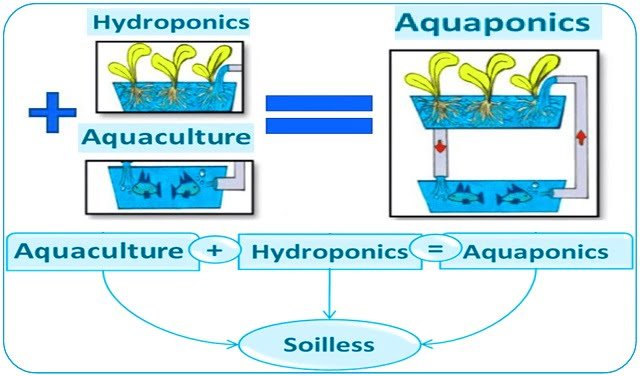
Rather than competing systems, the integration of Biofloc with Aquaponics represents the pinnacle of efficiency. Pinheiro et al. (2017) validated the complementation of BFT with aquaponics, demonstrating that the integrated culture of white shrimp with Salicornia radically optimizes nutrient utilization.
In this regard, Li and Dai (2025) highlight the success of coupling BFT with hydroponics and aeroponics. In this symbiotic model, biofloc solids act as high-bioavailability organic fertilizers, while plant roots function as natural biofilters that absorb nitrogen and phosphorus surpluses, passively stabilizing the aquatic ecosystem.
Profitability and Economic Viability of BFT
The impact of Biofloc technology on the profitability of an aquaculture farm is substantial, albeit variable. Improvements in growth rates, increased survival, and the optimization of the Feed Conversion Ratio (FCR) can boost profitability by 45% to 57% (Mugwanya et al., 2021). However, producers must conduct financial planning that accounts for the increase in energy costs derived from continuous aeration.
Analysis of Financial Indicators (IRR and B/C)
The economic viability of BFT presents contrasting scenarios depending on the region and management model:
- South American Scenario (Ecuador): Research by Viscaíno and Del Cisne (2019) on shrimp farming reported an exceptional Internal Rate of Return (IRR) of 280.98%, with a benefit-cost (B/C) ratio of 1.60, positioning BFT as a high-yield investment in this market.
- Brazilian Scenario: In contrast, Soares et al. (2017) analyzed risk in Brazil, noting that the IRR for Biofloc systems fluctuated between 7.66% and 59.40%. Notably, in certain low-tech contexts, conventional systems showed superior indicators, underscoring that BFT profitability strictly depends on operational efficiency and energy costs.
Toward Profit Maximization: “FLOCponics”
According to Emerenciano et al. (2025), the ultimate strategy for maximizing gains is Integrated Multi-Trophic Aquaculture (IMTA) or the “FLOCponics” system. This approach allows for the simultaneous harvest of fish, shrimp, and halophytic plants using the same nutrient and water flow. By diversifying production without increasing water expenditure, efficiency and net income per unit of area are drastically elevated, transforming the farm into a high-profitability circular bio-industry.
Scientific Trends in the Study of Biofloc Systems
In the 2020–2026 period, 2,407 works have been published. Biofloc research between 2020 and 2024 shows robust stability (averaging ~380 articles per year). This suggests that research has transitioned from “technological curiosity” to the optimization of specific processes. The high frequency of publications dated 2025 and 2026 indicates an aggressive scientific pre-release trend, typical of topics with high funding and relevance to global food security.
Leading Institutions and Their Research Lines
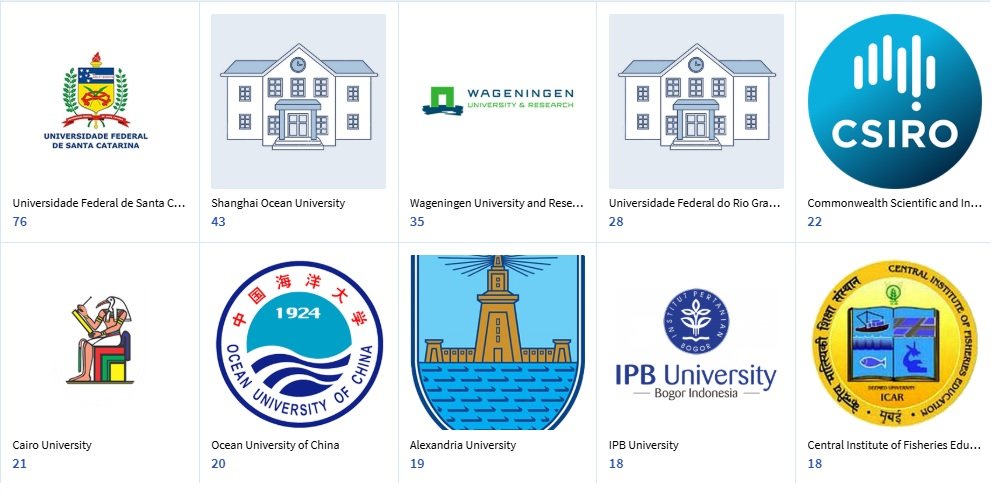
The institutional landscape reveals a shared hegemony between Brazil (leadership in volume and application) and China (leadership in basic science), with critical technical support nodes in Europe and Oceania.
The Leading Axis: Brazil (Federal Universities)
- Federal University of Santa Catarina (UFSC) [76 publications]: Consolidates itself as the undisputed world leader. Its primary focus is the sustainable intensification of shrimp farming (carciniculture). They are pioneers in the transfer of biofloc systems to industrial scales, excelling in stocking density management and hydric parameter control.
- Federal University of Rio Grande (FURG) [28 publications]: Acts as the reference center for floc microbiology. Their research centers on bacterial community formation and the use of alternative carbon sources.
The Asian Axis: China and Indonesia
- Shanghai Ocean University [43 publications] & Ocean University of China [20 publications]: Represent the forefront of molecular physiology and genetics. Their production is oriented toward understanding the immunological response of shrimp to specific pathogens under biofloc conditions.
- IPB University (Bogor, Indonesia) [18 publications]: Specializes in adapting biofloc technology for local food security, focusing on species such as catfish and tilapia in tropical conditions.
The European and Oceania Excellence Node
- Wageningen University and Research (Netherlands) [35 publications]: The center for nutrient modeling and optimization. Their studies are fundamental for nitrogen efficiency and the design of hybrid recirculating systems.
- CSIRO (Australia) [22 publications]: Contributes a high-tech and biosecurity-focused approach. Their research is often linked to the development of specialized diets that complement natural floc consumption.
The North African Hub: Egypt
- Cairo University [21 publications] & Alexandria University [19 publications]: Represent the fastest-growing cluster in the use of phytogenic additives and probiotics. Their research lines seek to improve resistance to thermal and saline stress in tilapia farming, a priority in the face of climate change.
The Strategic Training Hub: India
- Central Institute of Fisheries Education (ICAR) [18 publications]: Their approach is strategic and governmental, oriented toward the standardization of protocols to make the technology accessible and economically viable for rural production.
Dynamics of Collaboration Networks
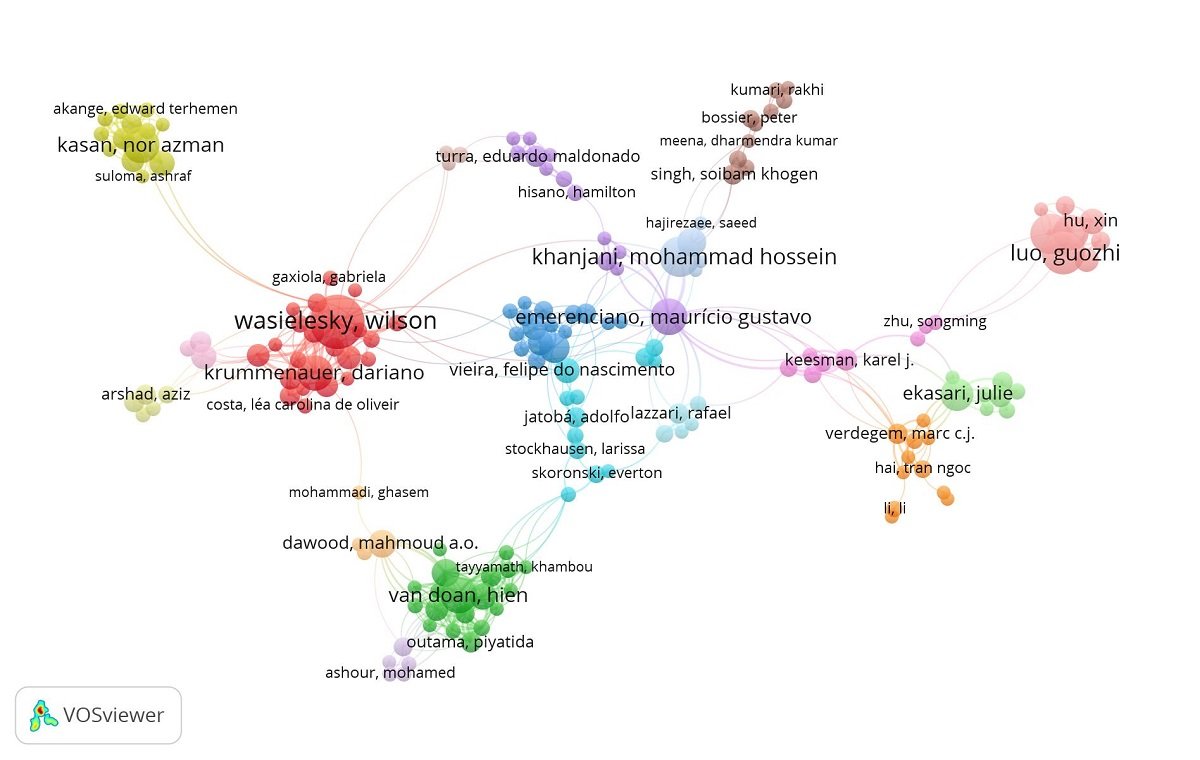
The co-authorship map reveals a “Small World” structure, where despite geographical distances, the global Biofloc community is highly integrated through strategic nodes.
The “Latin American School” Axis (Central Core)
Led by Wasielesky and Emerenciano, this cluster (Red/Blue/Purple) is the engine of applied research in carciniculture (shrimp farming).
- Specialization: Systems engineering and biomass optimization of Litopenaeus vannamei. They act as the practical knowledge “Hub,” linking animal physiology with large-scale management.
The Euro-Asian Bridge (Right Branch)
The connection facilitated by Keesman (Netherlands) toward Verdegem and Ekasari marks the route for scientific modeling and applied microbiology.
- Specialization: Nutrient dynamics, nitrogen cycles, and technology transfer to Southeast Asia (Indonesia/Thailand/China). This is a theoretically sophisticated network that feeds the technical parameters later tested in the central core.
The Immunological and Nutritional Front (Lower Branch)
The cohesive group of Dawood and Van Doan represents the most active frontier in the 2020–2026 period.
- Specialization: Immunology and nutrition of Tilapia (Oreochromis niloticus). Unlike the shrimp-focused central core, this group specializes in the use of phytogenic additives, probiotics, and immune system enhancement in fish.
- Impact: This is the fastest-growing cluster in terms of recent publication frequency, shifting the focus of Biofloc from simple water treatment toward the “Holistic Health” of the culture.
Niche and Peripheral Groups
The groups of Kasan (Malaysia) and Bossier (Belgium), while smaller within the network, function as advanced biotechnology laboratories (microbiomes and control of pathogens such as Vibrio), providing specific solutions to critical biosecurity challenges.
Thematic Knowledge Map (2020–2026)
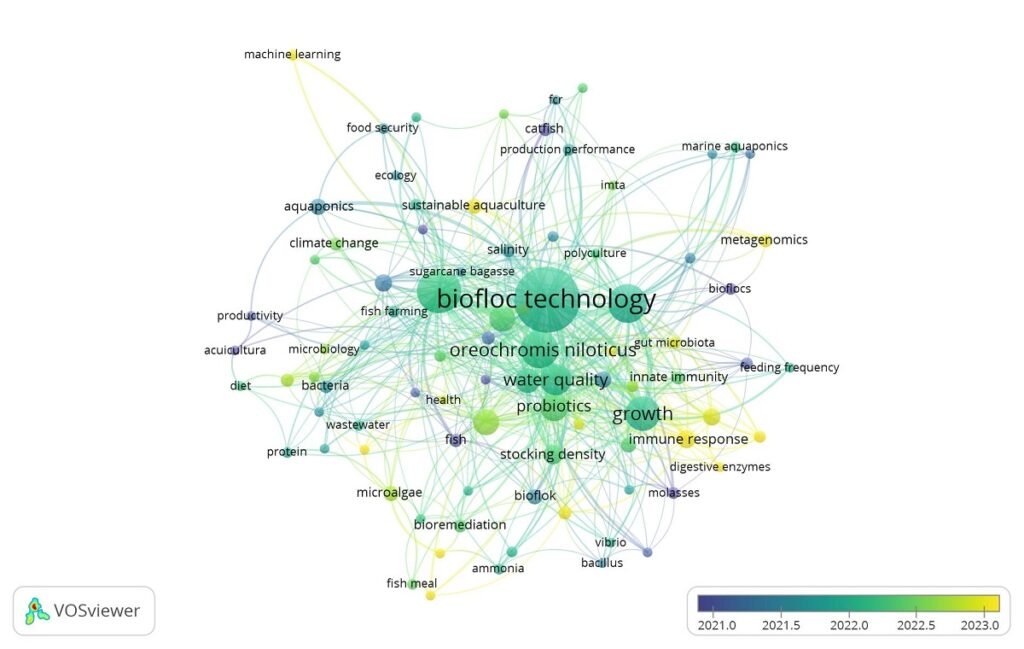
Knowledge architecture in Biofloc is organized into four primary clusters that transition from basic engineering to advanced biotechnology.
Performance and Sustainability Cluster (Central System – Purple)
This is the operational “heart” of the network. It focuses on the technical viability of Biofloc Technology as the axis of sustainable aquaculture.
- Key Components: Production performance, polyculture, and salinity management.
- Representative Species: Catfish and intensive culture systems.
- Insight: Research here no longer asks “if biofloc works,” but rather “how to make it more profitable and scalable” through species diversification.
Holistic Health and Immunology Cluster (Physiology – Red/Pink)
This group represents the transition of biofloc toward aquatic biomedical science. There is a direct connection between water quality and the biological expression of the organism.
- Research Frontier: Innate immunity, immunological response, and gut microbiota.
- Bio-inputs: Use of molasses as a carbon source and Bacillus genus bacteria to antagonize pathogens such as Vibrio.
- Analysis: Data show that this cluster has generated the highest number of high-citation studies in the 2021–2024 period, linking digestive enzymes with accelerated growth.
Applied Microbiology Cluster (Environment – Green)
Centered on the Nile Tilapia (Oreochromis niloticus), this cluster analyzes biofloc as a living bioreactor.
- Dynamics: It focuses on system microbiology and wastewater treatment.
- Environmental Role: The system is studied not just for fish production, but as an environmental remediation tool that transforms nitrogenous waste into consumable bacterial protein.
Bioremediation and Functional Nutrition Cluster (Blue)
Led by the Probiotics node, this cluster seeks to reduce dependency on external inputs.
- Critical Topics: Ammonia control through microalgae and bioremediation.
- Input Substitution: A critical research line is the reduction of fishmeal, using the floc itself as an alternative protein source, directly impacting the sector’s circular economy.
Technological Frontiers and Innovation (Orange/Turquoise)
Located on the periphery but with growing links to the core, these topics define the “next generation” of Biofloc:
- Digitalization: Use of Machine Learning for predicting water quality parameters.
- Omics Sciences: Metagenomics to understand the complexity of microbial communities.
- Integrated Systems: Marine aquaponics and IMTA (Integrated Multi-Trophic Aquaculture) systems as responses to climate change and food security.

Emerging Trends and the Future of the Field
Temporal analysis reveals an accelerated sophistication: Biofloc has evolved from being a “water treatment system” to becoming a “biotechnological precision system.”
From Basic to Advanced (2021–2023 Evolution)
- Consolidated Topics (Blue/Purple): Research on molasses as a carbon source, dietary protein levels, and basic microbiology is now considered foundational knowledge (commodity). These were the pillars of expansion between 2020 and 2021.
- The Current Standard (Green/Turquoise): The core of knowledge today (2022–2023) is gut health and innate immunity. Growth alone is no longer sufficient; research now focuses on how Biofloc modulates microbiota to resist diseases without the use of antibiotics.
Research Frontiers (Yellow Nodes: 2023–2026)
We identify three “Hot Topics” currently dominating the vanguard according to map data and scientific publication databases:
- Artificial Intelligence and Automation: The “Machine Learning” node appears in bright yellow, indicating a transition toward Smart Farming: the use of algorithms to predict ammonia spikes and optimize feed consumption in real time.
- Functional Nutrition and Critical Substitution: The current trend is total Fishmeal Replacement. Biofloc is positioning itself as the key to aquaculture that is 100% independent of wild marine resources.
- Dynamic Bioremediation: The use of microalgae and specific probiotic consortia (beyond generic Bacillus) for nitrogen management, allowing for much higher stocking densities safely.
Strategic Conclusion
The field is moving toward technological convergence. Records from 2025–2026 suggest that the future of Biofloc lies in Metagenomics (to understand the precise bacterial composition of the floc) and its integration with IMTA (Integrated Multi-Trophic Aquaculture) systems, where Biofloc serves as the nutrient recycling engine for multiple species simultaneously.
Ultimately, Biofloc is now the most powerful tool for the safe intensification of aquaculture. The current window of opportunity lies not in “how to implement biofloc,” but in how to optimize it digitally and biologically to maximize survival against emerging pathogens and reduce feeding costs.
Technological Trends in Biofloc Systems
Temporal Analysis (Patent Evolution)
The analysis of patent publication volume allows for the identification of the technology’s life cycle and the interests of both industry and academia over time.
Biofloc technology demonstrates a trajectory of sustained growth and early maturity. After a takeoff between 2014 and 2016, the field experienced a period of slight stabilization, followed by a peak in 2021. Currently, patent volume remains constant (averaging between 8 and 13 annually), suggesting that the technology has transitioned from a phase of basic invention to a phase of robust commercial implementation and optimization.

Main Applicants (Institutions)
Below are the leading institutions in patenting activity within this dataset.
| Applicant Institution | Number of Patents |
| NEOENBIZ (including Korean denomination) | 12 |
| Shanghai Ocean University | 7 |
| NIFS (Republic of Korea Nat. Fisheries Res. & Dev. Inst.) | 7 |
| Atarraya Inc. | 5 |
| Cresponix AB | 4 |
| Nippon Suisan Kaisha Ltd. | 4 |
| South China Sea Fisheries Res. Inst. (CAFS) | 3 |
| Guangdong Ocean University | 3 |
| Guangdong Laboratory of Southern Ocean Science | 3 |
| Zhu Hao (Individual/Local Company) | 2 |
Overview of the Leaders:
- NEOENBIZ: A Korean company specializing in environmental biotechnology. Its primary focus is developing sustainable aquaculture systems that integrate microorganisms for water treatment.
- Shanghai Ocean University: A leading Chinese academic institution in marine sciences. Its patents focus on Biofloc system engineering, tank optimization, and physicochemical parameter control.
- National Institute of Fisheries Science (NIFS) – Korea: A South Korean government agency focused on food security and the modernization of the fishing industry through Recirculating Aquaculture Systems (RAS) and Biofloc.
Technological Focus (IPC Classifications)
The International Patent Classification (IPC) reveals the specific technical areas where innovation is concentrated.
| IPC Code | General Description | Frequency |
| A01K 63/04 | Arrangements for purifying water for aquaria or fish ponds | 69 |
| A01K 61/00 | Culture of fish, mussels, crustaceans, or the like | 36 |
| C02F 3/34 | Biological treatment of water characterized by microorganisms | 19 |
| A01K 63/00 | Fish ponds, aquaria, or accessories therefor | 19 |
| A01K 61/59 | Culture of crustaceans (e.g., shrimp) | 16 |
| A01K 61/10 | Culture of fish in general | 14 |
| C02F 101/16 | Treatment of water to remove nitrogen compounds | 11 |
| A01G 31/02 | Hydroponics; Apparatus therefor (Aquaponics) | 10 |
| C02F 103/20 | Treatment of water from fish farms | 10 |
| C02F 3/00 | Biological treatment of water, sewage, or effluent | 7 |
Technological Interpretation
Based on the prevalence of the classification codes above, the technological focus of the dataset is defined as follows:
- A01K 63/04 (Highest Frequency): Indicates that the greatest innovation lies not just in rearing animals, but in the devices and methods for the continuous processing and purification of water within the pond.
- C02F 3/34: Highlights the use of specific bacterial strains and microbial consortia to metabolize organic waste (feces and excess feed) into biomass (flocs).
- A01K 61/59: Identifies shrimp as the primary species of interest for the application of this technology, likely due to its high commercial value and sensitivity to water quality.
- C02F 101/16: Nitrogen control (ammonia, nitrites, nitrates) is the critical technical challenge resolved by these patents, utilizing biofloc technology as an internal biological filter.
- A01G 31/02: There is an emerging trend toward Aquaponics, integrating plant production with Biofloc systems for complete nutrient utilization.
Where is the Technology Heading?
Based on data mining analysis of titles, technical classifications, and geographical distribution, I have identified four predominant technological trends within the Biofloc ecosystem:
Specialization in Shrimp Farming (Penaeidae)
The term “shrimp” is the most frequent species-specific keyword in titles (30 mentions).
- Trend: Biofloc is shifting from being a generalist experimental technology to becoming the “gold standard” for the intensive shrimp industry. Recent patents focus on optimizing shrimp survival at extremely high densities, where Biofloc serves as both disease control and a nutritional supplement.
Integration with RAS and Aquaponics (Circular Economy)
There is noticeable growth in A01G classifications (Horticulture/Hydroponics) and the use of the keyword “recirculating.”
- Trend: The Biofloc system is no longer patented in isolation. The current trend is Hybrid Biofloc, which combines:
- RAS (Recirculating Aquaculture Systems): For total filtration control.
- Aquaponics: Utilizing the nitrate-rich effluent from Biofloc to fertilize vegetable crops, achieving “zero discharge.”
Automation and Artificial Intelligence (Aquaculture 4.0)
Although Biofloc is a biological process, patents since 2021 show an increase in terms such as “apparatus,” “structure,” and AI integration (as seen in the Kumoh Nat. Inst. Tech. patent), giving rise to Aquaculture 4.0.
- Trend: The focus has shifted toward reducing human error. New registrations include:
- Automatic monitoring of floc density via optical sensors.
- Intelligent aeration systems that adjust in real-time based on dissolved oxygen levels, optimizing the high energy costs associated with Biofloc.
Sophistication in Nutrition and Probiotics (A23K)
The A23K classification (Animal Feeding) saw a notable peak in 2021.
- Trend: There is a strong line of innovation in using Biofloc itself as a feed ingredient. Patents are exploring how to process excess flocs (bacterial biomass) to convert them into high-protein meal, reducing dependency on external fishmeal.
Geographic-Strategic Summary
South Korea (KR) and China (CN) continue to dominate patent generation, but there is emerging activity in the United States (US) and through international applications (WO) over the last three years (2022–2025). This indicates that the technology is moving from Asian research centers toward global commercialization, with a strong focus on modular and scalable systems (such as those proposed by Atarraya Inc.).
In conclusion, the trend points toward urban, automated, zero-waste, and highly intensive aquaculture, with shrimp as the primary protagonist.
Conclusions: The Future of Precision Aquaculture
The consolidation of Biofloc Technology (BFT) during the 2020–2026 period marks a turning point in aquatic food production. Once an experimental water treatment technique, Biofloc has evolved into a digitalized, circular bioeconomy model. The following strategic conclusions define the current and future landscape of this sector:
- A Pillar of Food Security and Sustainability: BFT has proven to be the most viable technical response to the global water crisis. By slashing water consumption from 20,000 L to less than 200 L per kilogram produced, this technology enables the establishment of farms in arid regions and urban centers, bringing production closer to the end consumer and reducing the logistical carbon footprint.
- Disruption in Nutrition and Profitability: Biofloc breaks the historical dependency on wild marine ingredients. The capacity to replace up to 50% of fishmeal with in situ microbial biomass not only improves operational profitability but also positions aquaculture as an industry 100% independent of capture fisheries, aligning with the Sustainable Development Goals (SDGs).
- From Empirical Management to Aquaculture 4.0: The current frontier of Biofloc is not biological, but digital. The integration of Artificial Intelligence (AI) and IoT sensors has mitigated the system’s most critical risk: energy dependency. Predictive systems now allow for the anticipation of ammonia spikes and the optimization of aeration, transforming Biofloc into a “smart factory” of high-quality protein.
- Holistic Health and Biosecurity: Beyond production, the floc has proven to be an active immunological ecosystem. The use of specific bacterial consortia (probiotics) allows for antibiotic-free farming, offering a healthier, traceable final product with greater acceptance in premium international markets that demand high biosecurity standards.
Final Reflection: Biofloc is no longer simply about “rearing fish or shrimp”; it is about managing precision microbiomes. Those producers who master the interaction between water chemistry, microbial nutrition, and digital automation will lead the aquaculture industry in the coming decade.
Frequently Asked Questions (FAQ) about Biofloc Technology
How long does it take for a Biofloc system to “mature”?
Establishing a stable microbial community typically takes 3 to 4 weeks. The process begins with a microalgae phase (green water) and transitions toward a system dominated by heterotrophic bacteria (brown water). Using commercial inocula or “starter” water from mature systems can drastically reduce this stabilization time to less than 10 days.
What happens if there is a power outage for a few minutes?
This is the most critical risk in Biofloc technology. Due to the extremely high density of biomass and microorganisms, oxygen demand is immense. A power failure lasting more than 15–20 minutes without backup systems (such as emergency generators, deep-cell battery aerators, or solar units) can trigger a total system collapse due to anoxia (total oxygen depletion). In 2026, the use of IoT-linked UPS systems and automatic triggers is considered the industry standard to prevent catastrophic losses.
Can Biofloc be used in any climate?
Biofloc performs optimally in tropical and subtropical climates (28–30°C), as bacterial activity slows down significantly in cold waters. However, as of 2026, greenhouse-enclosed systems and high-efficiency heating technologies are being successfully implemented to allow operations in temperate climates. These climate-controlled infrastructures ensure that microbial metabolism remains stable regardless of external seasonal fluctuations.
Does Biofloc affect the flavor of the fish or shrimp?
Due to the system’s high organic load, compounds such as geosmin (which can cause an “earthy” taste) may be present. However, this is easily addressed with a 24–48 hour depuration (purging) period in clean water before harvest. This process ensures an optimal flavor profile and firm texture, meeting premium market standards.
How often should I measure settleable solids?
Daily monitoring using an Imhoff Cone is highly recommended. The ideal range for shrimp is 10–15 mL/L, while for tilapia it can reach up to 25–50 mL/L. If solids exceed these levels, it is necessary to purge sludge to prevent bacteria from consuming all available dissolved oxygen.
Is it necessary to add lime or bicarbonate to the water?
Yes. The nitrification process (the conversion of ammonia to nitrate) intensively consumes alkalinity and acidifies the water. It is vital to monitor pH and alkalinity levels regularly, maintaining the latter above 100 mg/L of through the addition of calcium carbonate (lime) or sodium bicarbonate. Keeping these levels stable is essential to prevent a pH crash that could jeopardize the microbial community.
Does Biofloc eliminate the need for probiotics?
Although biofloc is inherently a community of beneficial bacteria, the addition of specific Bacillus strains helps maintain dominance over pathogenic bacteria such as Vibrio. Therefore, strategic supplementation is recommended to reinforce biosecurity and ensure the stability of the microbial ecosystem.
References
Alghamdi, M., & Haraz, Y. G. (2025). Smart Biofloc Systems: Leveraging Artificial Intelligence (AI) and Internet of Things (IoT) for Sustainable Aquaculture Practices. Processes, 13(7), 2204. https://doi.org/10.3390/pr13072204
Al Mamun, M. R., Ashik-E-Rabbani, M., Haque, M. M., & Upoma, S. M. (2024). IoT-based real-time biofloc monitoring and controlling system. Smart Agricultural Technology, 9, 100598. https://doi.org/10.1016/j.atech.2024.100598
Anjalee Devi C.A and B. Madhusoodana Kurup. 2015. Biofloc Technology: An Overview and its application in animal food industry. International Journal of Fisheries and Aquaculture Sciences, Volume 5, Number 1 (2015), pp. 1-20.
Azim M. and D. Little. 2008. The biofloc technology (BFT) in indoor tanks: Water quality, biofloc composition, and growth and welfare of Nile tilapia (Oreochromis niloticus). Aquaculture, 283: 29–35.
Betanzo-Torres, Erick A.; Piñar-Álvarez, María Á.; Sandoval-Herazo, Luis C.; Molina-Navarro, Antonio; Rodríguez-Montoro, Isidro; González-Moreno, Raymundo H. 2020. “Factors That Limit the Adoption of Biofloc Technology in Aquaculture Production in Mexico.” Water 12, no. 10: 2775.
Betanzo-Torres, Erick A.; Piñar-Álvarez, María d.l.Á.; Sierra-Carmona, Celia G.; Santamaria, Luis E.G.; Loeza-Mejía, Cecilia-Irene; Marín-Muñiz, José L.; Sandoval Herazo, Luis C. 2021. “Proposal of Ecotechnologies for Tilapia (Oreochromis niloticus) Production in Mexico: Economic, Environmental, and Social Implications” Sustainability 13, no. 12: 6853. https://doi.org/10.3390/su13126853
Crab R., T. Defoirdt, P. Bossier and W. Verstraete. 2012. Biofloc technology in aquaculture: Beneficial effects and future challenges. Aquaculture, 356-357: 351-356.
Ekasari, J., Angela, D., Waluyo, S.H., Bachtiar T., Harris E., Bossier, P., De Schryver, P. 2014. The size of biofloc determines the nutritional composition and the nitrogen recovery by aquaculture animals. Aquaculture, Volumes 426–427, Pages 105–111. doi:10.1016/j.aquaculture.2014.01.023
Emerenciano M, G. Gaxiola and G. Cuzon. 2013. Biofloc Technology (BFT): A Review for Aquaculture Application and Animal Food Industry, Biomass Now – Cultivation and Utilization, Dr. Miodrag Darko Matovic (Ed.), ISBN: 978-953-51-1106-1, InTech, DOI: 10.5772/53902.
Emerenciano, Maurício Gustavo Coelho, Khanjani, Mohammad Hossein, Sharifinia, Moslem, Miranda-Baeza, Anselmo, Could Biofloc Technology (BFT) Pave the Way Toward a More Sustainable Aquaculture in Line With the Circular Economy?, Aquaculture Research, 2025, 1020045, 23 pages, 2025. https://doi.org/10.1155/are/1020045
Hai-Hong Huang (September 7th 2019). Novel Biofloc Technology (BFT) for Ammonia Assimilation and Reuse in Aquaculture In Situ, Emerging Technologies, Environment and Research for Sustainable Aquaculture, Qian Lu and Mohammad Serajuddin, IntechOpen, DOI: 10.5772/intechopen.88993.
Hargreaves J. 2013. Biofloc Production Systems for Aquaculture. Sourthern Regional AquaCulture Center. SRAC Publication No. 4503. 12 p.
Hu, X., Ren, X., Fan, B., Wu, G., Tan, H., Liu, W., & Luo, G. (2025). Optimizing rapid biofloc establishment: Effects of inoculum biofloc concentration and feed addition on maturation time, water quality, and nutritional composition. Aquacultural Engineering, 111, 102602. https://doi.org/10.1016/j.aquaeng.2025.102602
Jan, S., Bhat, F.A., Mushtaq, S. et al. Biofloc technology: an emerging tool for enhancing aquaculture production. GRN TECH RES SUSTAIN 6, 3 (2026). https://doi.org/10.1007/s44173-026-00028-w
Khanjani, M. H., Mohammadi, A., & Emerenciano, M. G. C. (2022). Microorganisms in biofloc aquaculture system. Aquaculture Reports, 26, 101300. https://doi.org/10.1016/j.aqrep.2022.101300
Khanjani, M. H., Mozanzadeh, M. T., Sharifinia, M., & Emerenciano, M. G. C. (2023). Biofloc: A sustainable dietary supplement, nutritional value and functional properties. Aquaculture, 562, 738757. https://doi.org/10.1016/j.aquaculture.2022.738757 x
Khanjani, M. H., Sharifinia, M., & Coelho Emerenciano, M. G. (2024a). Biofloc Technology (BFT) in Aquaculture: What Goes Right, What Goes Wrong? A Scientific-Based Snapshot. Aquaculture Nutrition, 2024(1), 7496572. https://doi.org/10.1155/2024/7496572
Khanjani, M.H., Mohammadi, A. & Emerenciano, M.G.C. Water quality in biofloc technology (BFT): an applied review for an evolving aquaculture. Aquacult Int 32, 9321–9374 (2024b). https://doi.org/10.1007/s10499-024-01618-w
Khanjani, M. H., Zahedi, S., Sharifinia, M., Hajirezaee, S., & Singh, S. K. (2025). Biological removal of nitrogenous waste compounds in the biofloc aquaculture system–a review. Annals of Animal Science, 25(1), 3-21.
Li, C., & Dai, L. (2025). Multifunctional Applications of Biofloc Technology (BFT) in Sustainable Aquaculture: A Review. Fishes, 10(7), 353. https://doi.org/10.3390/fishes10070353
Li, C., Ge, Z., Dai, L., & Chen, Y. (2025). Integrated Application of Biofloc Technology in Aquaculture: A Review. Water, 17(14), 2107. https://doi.org/10.3390/w17142107
Lovejan, M., Jayachandran, P. R., Syanya, F. J., Ntakirutimana, R., Aneesa, K., & Mujeeb Rahiman, K. (2026). Biofloc technology toward sustainable aquaculture: Opportunities, constraints and environmental perspectives. Aquaculture, 612, 743285. https://doi.org/10.1016/j.aquaculture.2025.743285
Martínez-Córdova, L. R., Emerenciano, M., Miranda-Baeza, A. and Martínez-Porchas, M. (2015), Microbial-based systems for aquaculture of fish and shrimp: an updated review. Reviews in Aquaculture, 7: 131–148. doi: 10.1111/raq.12058
Matishov, G., Meskhi, B., Rudoy, D., Olshevskaya, A., Shevchenko, V., Golovko, L., Maltseva, T., Odabashyan, M., & Teplyakova, S. (2025). Using BioFloc Technology to Improve Aquaculture Efficiency. Fishes, 10(4), 144. https://doi.org/10.3390/fishes10040144
Monroy M., R. de Lara, J. Castro, G. Castro y M. Coelho. 2013. Composición y abundancia de comunidades microbianas asociadas al biofloc en un cultivo de tilapia. Revista de Biología Marina y Oceanografía, Vol. 48, Nº3: 511-520. DOI 10.4067/S0718-19572013000300009
Mugwanya, Muziri, Mahmoud A.O. Dawood, Fahad Kimera, and Hani Sewilam. 2021. “Biofloc Systems for Sustainable Production of Economically Important Aquatic Species: A Review” Sustainability 13, no. 13: 7255. https://doi.org/10.3390/su13137255
Nisar Ubair, Peng Daomin, Mu Yongtong, Sun Yu. A Solution for Sustainable Utilization of Aquaculture Waste: A Comprehensive Review of Biofloc Technology and Aquamimicry. Front. Nutr., 12 January 2022 | https://doi.org/10.3389/fnut.2021.791738
Pandey P.K., V. Bharti and K. Kumar. 2014. Biofilm in aquaculture production. African Journal of Microbiology Research, Vol. 8(13), pp. 1434-1443.
Pinheiro I, Rafael Arantes, Carlos Manoel do Espírito Santo, Felipe do Nascimento Vieira, Katt Regina Lapa, Luciano Valdemiro Gonzaga, Roseane Fett, Jorge Luiz Barcelos-Oliveira, Walter Quadros Seiffert. Production of the halophyte Sarcocornia ambigua and Pacific white shrimp in an aquaponic system with biofloc technology. Ecological Engineering, Volume 100, March 2017, Pages 261–267. http://dx.doi.org/10.1016/j.ecoleng.2016.12.024
Raza, B., Zheng, Z., & Yang, W. (2024). A Review on Biofloc System Technology, History, Types, and Future Economical Perceptions in Aquaculture. Animals, 14(10), 1489. https://doi.org/10.3390/ani14101489
Robles-Porchas, G. R., Gollas-Galván, T., Martínez-Porchas, M., Martínez-Cordova, L. R., Miranda-Baeza, A., & Vargas-Albores, F. (2020). The nitrification process for nitrogen removal in biofloc system aquaculture. Reviews in Aquaculture. doi:10.1111/raq.12431
Singh, S. K., Meitei, M. M., Dekari, D., Irungbam, S., Malla, S., Chouhan, N., … & Khanjani, M. H. (2026). The Importance of Flocculating Agents in Biofloc Aquaculture System: New Flocculants and Their Performance on Water Quality, Sludge Production, Heavy Metals, and Microplastic. Annals of Animal Science, 26(1), 3-13.
Soares Rego M, Omar Jorge Sabbag, Roberta Soares, Silvio Peixoto. Risk analysis of the insertion of biofloc technology in a marine shrimp Litopenaeus vannamei production in a farm in Pernambuco, Brazil: A case study. Aquaculture, Volume 469, 20 February 2017, Pages 67–71. http://dx.doi.org/10.1016/j.aquaculture.2016.12.006
Schock TB, Duke J, Goodson A, Weldon D, Brunson J, Leffler JW, et al. (2013) Evaluation of Pacific White Shrimp (Litopenaeus vannamei) Health during a Superintensive Aquaculture Growout Using NMR-Based Metabolomics. PLoS ONE 8(3): e59521. doi:10.1371/journal.pone.0059521
Viscaíno E. y A. Del Cisne. 2019. Viabilidad económica del cultivo hiperintensivo de camarón (Litopenaeus vannemei) en agua dulce con sistema biofloc, sector Guabillo, cantón Arenillas. Pol. Con. (Edición núm. 36) Vol. 4, No 8 DOI: 10.23857/pc.v4i8.1052
Yadav, N.K., Paul, S., Patel, A.B. et al. The role of biofloc technology in sustainable aquaculture: nutritional insights and system efficiency. Blue Biotechnol. 2, 7 (2025). https://doi.org/10.1186/s44315-025-00025-x
Yu, Y.-B., Choi, J.-H., Lee, J.-H., Jo, A.-H., Lee, K. M., & Kim, J.-H. (2023). Biofloc Technology in Fish Aquaculture: A Review. Antioxidants, 12(2), 398. https://doi.org/10.3390/antiox12020398
Zhu, Z., Tan, J., Abakari, G., Hu, X., Tan, H., Liu, W., & Luo, G. (2025). Effects of settleable versus unsettled biofloc removal strategy on aquaculture system performance and microbial community. Aquaculture, 595, 741553. https://doi.org/10.1016/j.aquaculture.2024.741553

Editor at the digital magazine AquaHoy. He holds a degree in Aquaculture Biology from the National University of Santa (UNS) and a Master’s degree in Science and Innovation Management from the Polytechnic University of Valencia, with postgraduate diplomas in Business Innovation and Innovation Management. He possesses extensive experience in the aquaculture and fisheries sector, having led the Fisheries Innovation Unit of the National Program for Innovation in Fisheries and Aquaculture (PNIPA). He has served as a senior consultant in technology watch, an innovation project formulator and advisor, and a lecturer at UNS. He is a member of the Peruvian College of Biologists and was recognized by the World Aquaculture Society (WAS) in 2016 for his contribution to aquaculture.