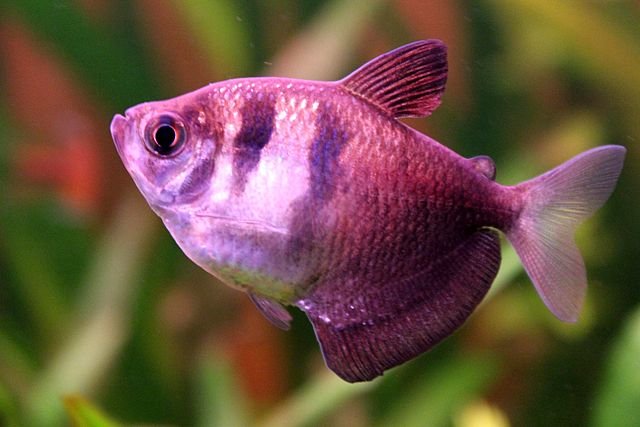
The Black Skirt Tetra (Gymnocorymbus ternetzi)—widely recognized within the industry as the “Black Widow Tetra” or “Monjita”—currently stands as a fundamental cornerstone of the global aquarium trade. Its market significance is rooted in its distinctive morphology, generally social temperament, and remarkable resilience, attributes that render it a preferred choice for both novice hobbyists and professional aquarists alike.
Native to South American basins, this freshwater characid has experienced a resurgence in commercial interest following the development of fluorescent transgenic varieties (marketed as GloFish®). These variants, as documented by researchers such as Pan et al. (2008), have introduced a vibrant aesthetic to modern aquaculture. This technical guide delves into the husbandry standards, biological requirements, and breeding protocols essential for optimizing their welfare and physiological development.
- 1 Key Technical Points
- 2 Characteristics of Black Skirt Tetra
- 3 Phenotypic Variability and Commercial Varieties
- 4 Geographical Distribution and Habitat Ecology
- 5 Nutrition and Feeding Strategies
- 6 Reproduction and Commercial Breeding Protocols
- 7 Care Standards and Husbandry
- 8 Black Widow Tetra Behavior and Compatibility
- 9 Pathologies and Aquatic Health in the Black Skirt Tetra
- 10 Conclusion: The Future of the Black Skirt Tetra in Modern Aquaristics
-
11
Frequently Asked Questions (FAQ)
- 11.1 How can I differentiate between a male and a female Black Skirt Tetra?
- 11.2 What is the minimum aquarium capacity for Black Skirt Tetras?
- 11.3 My fish has white spots on its body; what steps should I take?
- 11.4 Why does my Black Skirt Tetra exhibit abdominal distension?
- 11.5 Are they compatible with Guppies and other community fish?
- 11.6 What do bloody streaks at the base of the fins indicate?
- 11.7 What do the designations “Starfire Red” or “Electric Green” refer to?
- 11.8 How long is the incubation period for the eggs?
- 12 References
- 13 Entradas relacionadas:
Key Technical Points
- Resilience and Technical Profile: The Black Skirt Tetra is a highly adaptable South American characid, ideal for community tanks due to its peaceful nature and biological hardiness.
- Innovation and Ethics: While transgenic varieties (GloFish®) have revitalized commercial interest, professional ethics necessitate the avoidance of artificially dyed specimens, which suffer from severely compromised immune systems.
- High-Performance Nutrition: Vitamin C supplementation (50 mg/kg) and the strategic use of live feed (Artemia and Tubifex) are decisive factors in optimizing growth rates and chromatic intensity.
- Reproduction Protocols: The species exhibits transient juvenile hermaphroditism and requires precise thermal management (27–29 °C) to guarantee hatching rates exceeding 80%.
- Health and Responsibility: Controlling “white spot disease” (Ich) and preventing Edwardsiella ictaluri are central sanitary pillars, which must be accompanied by responsible ownership to mitigate the species’ impact on non-native ecosystems.
Characteristics of Black Skirt Tetra
Taxonomy
- Kingdom: Animalia
- Phylum: Chordata
- Class: Actinopterygii
- Subclass: Neopterygii
- Infraclass: Teleostei
- Superorder: Ostariophysi
- Order: Characiformes
- Family: Characidae
- Genus: Gymnocorymbus
- Scientific name: Gymnocorymbus ternetzi
- English name: Black Widow Tetra, Black Tetra, Petticoat tetra, and blackamoor.
Morphophysiology and Biological Characteristics
Gymnocorymbus ternetzi is characterized by a rhomboid, laterally compressed body with a high profile—typical traits of the Characidae family.
- Coloration and Phenotype: The wild form exhibits a silvery base with two vertical black stripes behind the operculum. Its posterior region, including the dorsal and anal fins, displays a deep black hue that typically fades to grayish tones upon reaching biological maturity (after the first year).
- Dimensions: It reaches a standard length of 5 to 6 cm. “Long-finned” varieties may exhibit slightly larger dimensions due to the filamentous development of their extremities.
- Fin Morphology: Its exceptionally developed and flowing anal fin is particularly noteworthy, a feature that provides its descriptive English name: Black Skirt.
- Sexual Dimorphism: Gender differentiation is subtle; females present a more robust and rounded morphology, which is particularly evident during the spawning cycle. In males, the anal fin is generally wider in its anterior section.
- Longevity: Under controlled conditions and optimal water parameters, their life expectancy ranges between 3 and 7 years.
Phenotypic Variability and Commercial Varieties
Beyond its classic form, Gymnocorymbus ternetzi displays remarkable morphological and chromatic diversity, resulting from both natural evolution and biotechnological intervention. According to Frankel (2004), two primary phenotypes are identified in the wild: the Black Tetra (smoky gray with vertical bands) and the White Skirt Tetra (light tone, without bands).
The most commercially relevant varieties are detailed below:
- Classic/Wild Tetra: Features the ancestral pattern of a silvery body with two vertical black stripes and a dark posterior zone.
- Albino and Semi-Albino Varieties: Characterized by an absence of dark pigmentation, resulting in white or pinkish bodies. Pure albinos possess red eyes, while semi-albinos retain black ocular pigmentation.
- Long-finned (Veil) Variety: Achieved through artificial selection, this line stands out for its hypertrophied anal and caudal fins. It requires special care, as its physiology makes it vulnerable to mechanical damage or fin-nipping by aggressive species.
- Transgenic Fish (GloFish®): Through genetic engineering, genes from marine organisms (such as jellyfish or coral) have been incorporated to allow the expression of fluorescent proteins. Recent research by Sinaga et al. (2025) documents successful hybridization producing spectra such as Starfire Red, Electric Green, Moonrise Pink, and Cosmic Blue, which glow intensely under actinic light.
Ethical Considerations: The Issue of Dyed Fish
The responsible aquarist must distinguish between genetic varieties and the unethical practice of artificial dyeing. This invasive procedure, involving dye injections or chemical baths, severely compromises the fish’s immune system, reduces longevity, and predisposes it to chronic diseases. From a technical perspective, it is recommended to opt exclusively for natural, albino, or certified transgenic varieties, whose coloration is of genetic—rather than traumatic—origin.
Geographical Distribution and Habitat Ecology
Gymnocorymbus ternetzi is endemic to the river systems of the Paraguay and Guaporé basins in South America, spanning territories across Brazil, Paraguay, and Argentina. In its wild state, this species predominantly colonizes lentic biotopes (slow-moving or stagnant waters), such as secondary creeks, minor tributaries, and wetlands with dense vegetative cover. Within these ecosystems, riparian vegetation and aquatic macrophytes serve not only as a refuge from predators but also create shaded zones that regulate water temperature. Biologically, the Black Skirt Tetra is adapted to forage in the upper strata of the water column, where it capitalizes on food availability.
Anthropogenic Expansion and Invasive Status
Currently, the distribution of the Black Tetra has transcended its native range, achieving a cosmopolitan presence driven by the global aquarium trade. However, this expansion has raised significant ecological concerns; in various regions, the species has been classified as an invasive species following accidental or deliberate introductions into local ecosystems. This underscores the critical importance of responsible ownership and the controlled management of captive populations to mitigate ecological displacement.
Nutrition and Feeding Strategies
Gymnocorymbus ternetzi exhibits a highly adaptable omnivorous dietary regime. To optimize development within controlled environments, a diversified diet combining basal nutrition and biological supplementation is recommended:
Stay Always Informed
Join our communities to instantly receive the most important news, reports, and analysis from the aquaculture industry.
- Basal Nutrition and Supplementation: High-quality flakes or micro-granules should be utilized as the dietary foundation. From a technical standpoint, the inclusion of Vitamin C (50 mg/kg) is essential to enhance growth, Feed Conversion Ratio (FCR), and stress response (Dhewantara et al., 2023).
- Commercial Optimization: According to findings by Dewi et al. (2025), breeders may alternate live feed based on specific production objectives:
- Tubifex sp.: To maximize body mass gain.
- Daphnia sp.: To optimize size and biometry.
- Chironomus sp. (bloodworms): To intensify coloration, particularly in GloFish Starfire Red varieties.
- Metabolic Influence: It is vital to consider that increases in water temperature directly influence the ingestion rate (Kuhn et al., 2023); therefore, feeding frequency and rations must be adjusted according to the aquarium’s thermal monitoring.
Nutrition in Larval and Fry Stages
Nutritional management during the larval stages is critical and must be strictly calibrated to the specimens’ mouth gape. Following yolk sac resorption, a progressive dietary transition should be initiated:
- Initial Phase (Weeks 1-4): The use of infusoria and rotifers (Brachionus calyciflorus) is recommended. Sarma et al. (2003) demonstrated that larvae depend on these microorganisms during their first weeks, as they remain unable to ingest larger prey, such as water fleas (Daphnia pulex), until after the fifth week.
- Transition and Development (Day 12 onwards): Artemia nauplii are essential due to their high protein value (Sinaga et al., 2025). However, to improve survival rates, it is suggested to begin weaning onto dry micro-particulate diets starting from 12 days post-hatching (Lipscomb et al., 2020).
Reproduction and Commercial Breeding Protocols
Gymnocorymbus ternetzi is a highly prolific oviparous species. A fascinating biological aspect for breeders is that juveniles exhibit transient hermaphroditism followed by a sex reversal process (Mazzoni et al., 2015), a critical factor for population management.
Conditioning and Spawning Protocols
For successful reproduction, a spawning tank of approximately 50 liters is recommended with the following specifications:
- Critical Parameters: Temperature stabilized between 27 and 29 °C, low light intensity, and dense vegetation.
- Density and Ratio: A ratio of two males per female is suggested. The use of plants such as hornwort (Ceratophyllum sp.) is essential as a spawning substrate.
- Courtship Ethology: According to Lyngdoh et al. (2024), courtship typically occurs at dawn and can last up to three hours. It concludes with the release of 300 to 400 spherical, demersal, and slightly adhesive eggs.
Recently, Setyono et al. (2025) demonstrated that utilizing natural vegetation such as Hydrilla verticillata and a controlled stocking density of 5 larvae per liter optimizes biological efficiency. Under these parameters, a hatch rate of 82.3% and superior specific growth rates (SGR) are achieved, while simultaneously enhancing chromatic intensity in transgenic varieties.
Larval and Ontogenetic Development
The post-spawning development cycle follows a rigorous schedule:
- Hatching: Occurs between 20 and 21 hours post-fertilization at 24 °C (Çelik et al., 2012).
- Nutritional Autonomy: By the third day, following yolk sac resorption, mouth gape opening occurs, and active swimming begins.
- Metamorphosis: Specimens complete their transformation to the juvenile stage approximately 32 days post-hatching (Lyngdoh et al., 2024).
Aquarium Sanitation and Performance
Egg disinfection is vital for maximizing productivity. Chambel et al. (2014) established optimal prophylactic doses to increase hatching: 1 mg/L of iodine, 25 mg/L of hydrogen peroxide, or 3 mg/L of methylene blue. For commercial operations, induced triploidy via thermal shock has proven effective for producing specimens with accelerated growth rates (Uma & Chandran, 2008).
Care Standards and Husbandry
To guarantee homeostasis and the well-being of Gymnocorymbus ternetzi, it is imperative to replicate its original biotope conditions:
- Swimming Capacity and Dynamics: A minimum volume of 75 liters is recommended to house a functional shoal of 6 to 8 specimens. Given their active behavior, aquariums with a longitudinal footprint (80–100 cm) are preferred to facilitate horizontal swimming. However, research by Priestley et al. (2006) indicates that growth rates are not significantly compromised by stocking density, even in groups of up to 16 individuals in smaller spaces (50 liters), highlighting the species’ remarkable adaptability.
- Filtration and Oxygenation Systems: Robust mechanical and biological filtration is paramount to maintain water free of nitrogenous compounds. A steady yet moderate flow should be maintained, avoiding excessive turbulence that could lead to metabolic exhaustion.
- Photoperiod and Light-Induced Stress: The Black Skirt Tetra thrives in low-intensity lighting environments. Chronic exposure to high-intensity light can induce stress; therefore, the use of floating macrophytes is recommended to dapple the light and provide shaded zones.
- Environmental Enrichment: A dark substrate not only mitigates stress but also enhances natural pigmentation. A design incorporating open swimming lanes alongside natural shelters—such as driftwood and dense vegetation—is highly advised to provide structural complexity.
Water Quality Management
The control of physicochemical variables is the determining factor for the longevity and health of the Black Tetra.
Table 1. Black Widow Tetra Aquarium Breeding Parameters
| Parameter | Ideal Value |
|---|---|
| Fish tank volume | 75 to 120 liters. |
| Temperature | 20-28 °C (79-82 °F) |
| pH | 6.0-8.0 |
| Hardness | 3-10 dGH |
| Nitrates | < 50 mg/L |
| Lighting | Moderate |
| Filtration | Good |
| Water Changes | 25% – 30% weekly |
Black Widow Tetra Behavior and Compatibility
Behavior and Temperament
- Gregarious Nature: They are schooling fish and should be kept in groups of at least 6 individuals, preferably more. Alone or in small groups, they become shy, stressed, and may develop aggressive behaviors.
- Peaceful but ‘Nippers’: They are generally peaceful and good community tank mates. However, they have a known tendency to nip at the long, flowing fins of slower fish like bettas, guppies, or angelfish. It is recommended to avoid this combination.
- Swimming Level: They mainly occupy the middle level of the aquarium, although they will explore all levels.
Compatibility: What Fish Can Live with the Black Skirt Tetra?
When choosing tank mates, consider their fin-nipping tendency:
- Ideal Tank Mates: Other robust and fast tetras (e.g., Neon Tetra, Cardinal Tetra, Serpae Tetra – although the latter can also be nippy), Corydoras, Ancistrus, Rasboras, Danios.
- Tank Mates to Avoid: Fish with long fins and slow swimming speeds like Guppies, Bettas, Angelfish. Excessively small or timid fish that might be intimidated. Large and aggressive fish.
Pathologies and Aquatic Health in the Black Skirt Tetra
Maintaining the health of Gymnocorymbus ternetzi requires constant monitoring, as various etiologies can compromise population viability. The following pathologies represent the highest impact documented in scientific literature:
Ichthyophthiriasis (Ich or White Spot Disease)
Caused by the ciliated protozoan Ichthyophthirius multifiliis, this is one of the most prevalent conditions. Research by Aydogan et al. (2010) confirms the species’ natural susceptibility to this pathogen.
- Clinical Presentation: According to Banu et al. (2025), affected specimens exhibit severe symptoms including anorexia, fin erosion, and systemic destruction of the gill filaments.
- Prophylaxis and Treatment: Primary prevention relies on rigorous water quality monitoring and scheduled water changes. While sodium chloride (salt) and formalin are standard therapeutics, Rothen et al. (2002) strictly advise against their use in larvae due to a demonstrated lack of tolerance in early life stages.
Bacterial Infection by Edwardsiella ictaluri
This pathogen severely affects the Black Skirt Tetra, manifesting primarily through cutaneous ulcers and ulcerative lesions that degrade the fish’s immune response.
- Therapeutic Alternatives: In response to bacterial resistance, Rol et al. (2025) evaluated phytotherapy. It was reported that treatment with a blend of Indian Almond leaf (Terminalia catappa) and Lotus leaf extracts achieves a 40.06% survival rate after ten days of exposure, presenting a viable biological control option.
Parasitic Infestations (Monogeneans and Protozoa)
Branchial health is critical for G. ternetzi. Specialized parasites documented include:
- Diaphorocleidus kabatai: This monogenean attaches specifically to the gills, compromising respiratory function (Acchile et al., 2017).
- Tetrahymena sp. and Dactylogyrus sp.: Documented in GloFish varieties by Malek et al. (2021). For adult specimens, a therapeutic protocol based on salt baths combined with 37% formalin under technical supervision is recommended.
Conclusion: The Future of the Black Skirt Tetra in Modern Aquaristics
In conclusion, the Black Skirt Tetra (Gymnocorymbus ternetzi) stands as a cornerstone species in the industry, offering an exceptional balance between aesthetic appeal and biological resilience. These qualities facilitate its maintenance for novice aquarists while providing a fertile ground for large-scale commercial production. Implementing the technical protocols for nutrition, health, and environmental management detailed in this guide is key to ensuring the longevity and vitality of these characids.
Furthermore, while the surge in fluorescent and transgenic varieties continues to energize the market, promoting responsible fishkeeping is imperative. Concerns regarding ecological impact from accidental releases underscore the need for controlled management. Ultimately, the sustainable success of this species will depend on our ability to integrate biotechnological innovation with an unwavering commitment to preserving local biodiversity.
Frequently Asked Questions (FAQ)
How can I differentiate between a male and a female Black Skirt Tetra?
Females are generally larger and exhibit a more robust, rounded morphology, particularly when gravid. In a professional context, males are identified by a more pointed dorsal fin and a slender profile. Note: Transient juvenile hermaphroditism may complicate sex identification in immature specimens.
What is the minimum aquarium capacity for Black Skirt Tetras?
A minimum tank volume of 60 to 75 liters (15–20 gallons) is recommended. Despite their small size, these characids require sufficient lateral space for active shoaling behavior and a water volume capable of effectively diluting the organic load, particularly within high-density intensive systems.
My fish has white spots on its body; what steps should I take?
This is typically a clinical symptom of Ichthyophthirius multifiliis (commonly known as White Spot Disease or Ich). In adult specimens, it can be managed through a gradual thermal increase combined with hypersaline baths. However, if an outbreak occurs in fry rearing units, the use of salt and formalin must be strictly avoided due to the larvae’s high sensitivity; instead, opt for calibrated dosages of methylene blue as a safer therapeutic alternative.
Why does my Black Skirt Tetra exhibit abdominal distension?
If the specimen is female and displays normal behavior, it is highly probable that she is gravid (carrying eggs). Conversely, if the swelling is irregular and accompanied by pineconing—protruding scales associated with dropsy—or inappetence, it may indicate a systemic bacterial infection or an internal infestation of Tetrahymena sp., a pathogen frequently documented in this species.
Are they compatible with Guppies and other community fish?
Yes, though with technical caveats. The Black Skirt Tetra is a documented fin-nipper; therefore, maintaining a conspecific shoal of at least 8 individuals is essential to dissipate hierarchical aggression within the group. This social structure effectively prevents them from harassing long-finned or slow-moving species such as Guppies or Betta splendens.
What do bloody streaks at the base of the fins indicate?
This clinical sign typically suggests either physical trauma resulting from hierarchical disputes—often exacerbated when the shoal size is insufficient—or the early stages of bacterial hemorrhagic septicemia. It is imperative to immediately monitor water quality parameters, specifically ammonia and nitrite concentrations, as nitrogenous toxicity is a primary catalyst for systemic infections.
What do the designations “Starfire Red” or “Electric Green” refer to?
These are trade names for GloFish® varieties, which are transgenic fish. These specimens express fluorescent proteins derived from marine organisms such as jellyfish or coral. From a technical standpoint, their husbandry requirements are identical to those of the wild-type specimens; however, their commercialization is strictly governed by specific intellectual property patents.
How long is the incubation period for the eggs?
Under controlled thermal conditions ranging from 24°C to 26°C, hatching occurs within a 21- to 24-hour window. It is crucial to implement a prophylactic disinfection protocol using iodine or hydrogen peroxide immediately post-spawning to optimize the hatch rate.
References
Acchile Santos Monyele, Gabriela Tomas Jerônimo, Lucas Cardoso, Karen Roberta Tancredo, Paula Brando Medeiros, José Victor Ferrarezi, Eduardo Luiz Tavares Gonçalves, Guilherme da Costa Assis, Maurício Laterça Martins. Parasitic fauna and histopathology of farmed freshwater ornamental fish in Brazil. Aquaculture, Volume 470, 1 March 2017, Pages 103–109. http://dx.doi.org/10.1016/j.aquaculture.2016.12.032
Aydogan A., H. Avci, S. Birincioglu. 2010. Ichthyophthirius multifiliis Infection in A Black Tetra (Gymnocorymbus ternetzi). Kafkas Univ Vet Fak Derg 16 (1): 135-137, 2010 DOI:10.9775/kvfd.2009.320
Banu, H., Swain, H.S., Bharathi Rathinam, R. et al. Ciliate parasite Ichthyophthirius multifiliis causing acute mortality in tiger barb (Puntigrus tetrazona, Bleeker, 1855) and widow tetra (Gymnocorymbus ternetzi, Boulenger, 1895). J Parasit Dis 49, 686–690 (2025). https://doi.org/10.1007/s12639-024-01776-x
Çelik, I., Çelik, P., Cirik, S., Gürkan, M. and Hayretdag, S. (2012), Embryonic and larval development of black skirt tetra (Gymnocorymbus ternetzi, Boulenger, 1895) under laboratory conditions. Aquac. Res., 43: 1260-1275. https://doi.org/10.1111/j.1365-2109.2011.02930.x
Chambel, J., Costa, R., Gomes, M. et al. Hydrogen peroxide, iodine solution and methylene solution highly enhance the hatching rate of freshwater ornamental fish species. Aquacult Int 22, 1743–1751 (2014). https://doi.org/10.1007/s10499-014-9779-1
Dewi, A. M., Rostika, R., Priowirjanto, G. H., & Zidni, I. (2025). The effect of different feeding on the growth and colour brightness of Glofish. Research Horizon, 5(2), 329-338
Dhewantara, Y. L. D., Firsty Rahmatia, & Armen Nainggolan. (2023). EFEKTIVITAS VITAMIN C DALAM PAKAN BUATAN TERHADAP KINERJA PERTUMBUHAN DAN KELANGSUNGAN HIDUP IKAN BLACK TETRA (Gymnocorymbus ternetzi). JURNAL MINA SAINS, 9(1). https://doi.org/10.30997/jmss.v9i1.7326
Frankel J. S., Inheritance of Trunk Banding in the Tetra (Gymnocorymbus ternetzi Characidae), Journal of Heredity, Volume 95, Issue 3, May 2004, Pages 262–264, https://doi.org/10.1093/jhered/esh036
Kuhn, J., Azari, S., & Volkoff, H. (2023). Effects of temperature on food intake and the expression of appetite regulators in three Characidae fish: The black-skirted tetra (Gymnocorymbus ternetzi), neon tetra (Paracheirodon innesi) and Mexican cavefish (Astyanax mexicanus). Comparative Biochemistry and Physiology Part A: Molecular & Integrative Physiology, 275, 111333.
Lipscomb Taylor N., Roy P. Yanong, Shane W. Ramee, Matthew A. DiMaggio. 2020. Histological, histochemical and biochemical characterization of larval digestive system ontogeny in black tetra Gymnocorymbus ternetzi to inform aquaculture weaning protocols. Aquaculture, Volume 520, 2020, 734957, ISSN 0044-8486,
https://doi.org/10.1016/j.aquaculture.2020.734957
Lyngdoh, A. S., Khongngain, O., Vyas, V., & Minare, A. (2024). Breeding of an ornamental fish – black skirt tetra (gymnocorymbus ternetzi, boulenger, 1895) and study of its embryonic development. International Journal of Fisheries and Aquatic Studies, 12(4), 88-92. https://doi.org/10.22271/fish.2024.v12.i4a.2948
Malek Ahmadi, B., Rahmati-Holasoo, H., & Momeninejad, A. 2021. Report of Tetrahymena sp. and Dactylogyrus sp. infestation in glofish tetra (Gymnocorymbus ternetzi): Diagnosis and treatment.
Mazzoni, T.S., Grier, H.J. and Quagio-Grassiotto, I. (2015), The Basement Membrane and the Sex Establishment in the Juvenile Hermaphroditism During Gonadal Differentiation of the Gymnocorymbus ternetzi (Teleostei: Characiformes: Characidae). Anat. Rec., 298: 1984-2010. https://doi.org/10.1002/ar.23270
Pan, X., Zhan, H. & Gong, Z. Ornamental Expression of Red Fluorescent Protein in Transgenic Founders of White Skirt Tetra (Gymnocorymbus ternetzi). Mar Biotechnol 10, 497–501 (2008). https://doi.org/10.1007/s10126-008-9094-9
Rol, T. H., Phung, D. M., Thuy, D. T., Tuong, T. N. Q., Linh, T. P. V., Nghia, N. T., & Vu, N. T. (2025). Hiệu quả của thảo dược lá bàng và lá sen trong việc giảm stress và tăng cường khả năng kháng vi khuẩn Edwardsiella ictaluri gây bệnh ở cá cảnh [Efficacy of Terminalia catappa and Nelumbo nucifera extracts in reducing oxidative stress and enhancing resistance to pathogenic bacteria in ornamental fish]. Tạp chí Khoa học Đại học Cần Thơ, 61(6B), 122-127. https://doi.org/10.22144/ctujos.2025.206
Rothen Daniel E., Eric W. Curtis & Roy P. E. Yanong (2002) Tolerance of Yolk Sac and Free-Swimming Fry of the Zebra Danio Brachydanio rerio, Black Tetra Gymnocorymbus ternetzi, Buenos Aires Tetra Hemigrammus caudovittatus, and Blue Gourami Trichogaster trichopterus to Therapeutic Doses of Formalin and Sodium Chloride, Journal of Aquatic Animal Health, 14:3, 204-208, DOI: 10.1577/1548-8667(2002)014<0204:TOYSAF>2.0.CO;2
Sarma, S., Amador López-Rómulo, J. & Nandini, S. Larval feeding behaviour of blind fish Astyanax fasciatus (Characidae), black tetra Gymnocorymbus ternetzi (Characidae) and angel fish Pterophyllum scalare (Cichlidae) fed zooplankton. Hydrobiologia 510, 207–216 (2003). https://doi.org/10.1023/B:HYDR.0000008646.82042.7c
Setyono, B. D. H., Lestari, D. P., & Rahmadani, T. B. C. (2025). Optimizing the breeding and rearing techniques of transgenic GloFish Tetra (Gymnocorymbus ternetzi) in tropical freshwater aquaculture systems. Journal of Fish Nutrition, 5(1), 68-78. https://doi.org/10.29303/jfn.v5i1.7548
Sinaga, H., Batubara, L. W., y Budiargo, W. (2025). Pengaruh Hibridisasi Jantan Starfire Red Dengan Strain Betina Yang Berbeda Terhadap Keragaman Warna, Pertumbuhan Dan Kelulushidupan Ikan Glofish (Gymnocorymbus ternetzi). Jurnal Penelitian Terapan Perikanan Kelautan, 7(1), 34-39. https://stpsibolga.ac.id/ojs/index.php/TAPIAN_NAULI
Priestley S., Abigail E. Stevenson, Lucille G. Alexander, Growth Rate and Body Condition in Relation to Group Size in Black Widow Tetras (Gymnocorymbus ternetzi) and Common Goldfish (Carassius auratus), The Journal of Nutrition, Volume 136, Issue 7, 1 July 2006, Pages 2078S–2080S, https://doi.org/10.1093/jn/136.7.2078S
Uma, B., & Chandran, M. R. (2008). Induction of triploidy in Gymnocorymbus ternetzi (Boulenger). Research journal of fisheries and hydrobiology, 3(2), 41-47.

Editor at the digital magazine AquaHoy. He holds a degree in Aquaculture Biology from the National University of Santa (UNS) and a Master’s degree in Science and Innovation Management from the Polytechnic University of Valencia, with postgraduate diplomas in Business Innovation and Innovation Management. He possesses extensive experience in the aquaculture and fisheries sector, having led the Fisheries Innovation Unit of the National Program for Innovation in Fisheries and Aquaculture (PNIPA). He has served as a senior consultant in technology watch, an innovation project formulator and advisor, and a lecturer at UNS. He is a member of the Peruvian College of Biologists and was recognized by the World Aquaculture Society (WAS) in 2016 for his contribution to aquaculture.