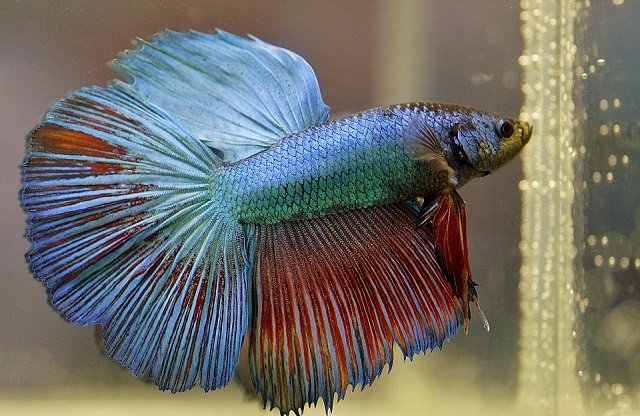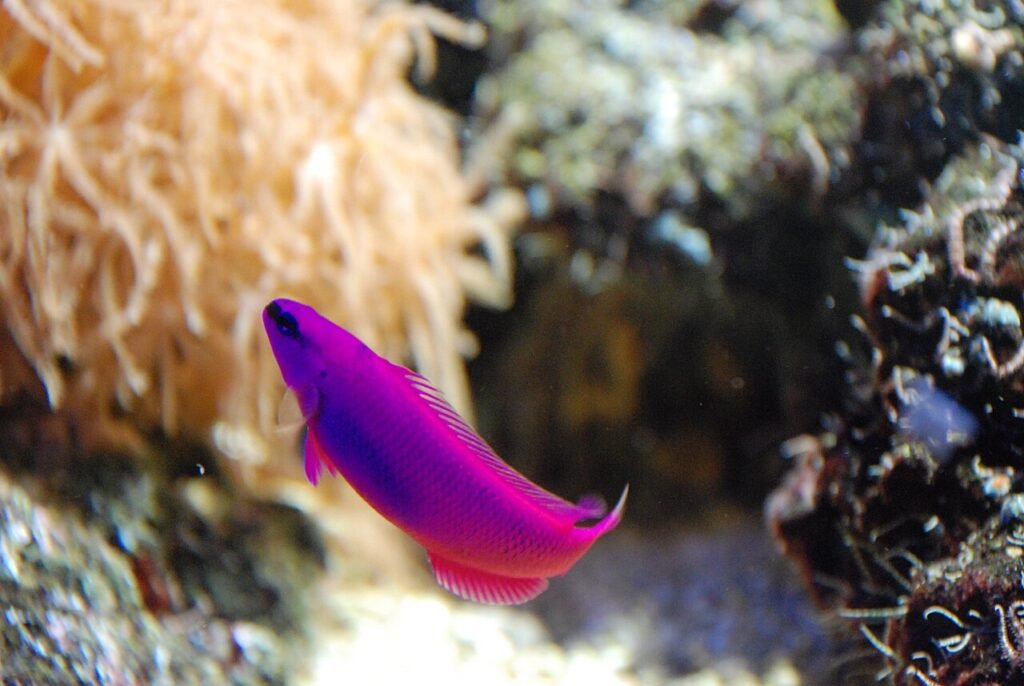
The Ornamental Aquatic Trade Association (OATA) has launched a complimentary online tool designed to assist the home aquarium industry in making sustainable sourcing decisions when purchasing fish. Tailored for importers, wholesalers, and retailers, the tool guides businesses through a structured framework to evaluate the provenance of their livestock—whether captive-bred or wild-caught—encouraging them to scrutinize the entire supply chain and identify areas requiring further due diligence with their suppliers.
How the tool works
The tool navigates users through a sequence of inquiries encompassing supply chains, animal welfare, biosecurity, and conservation, while accounting for the species, supplier, facilities, and customer base. Upon completing the assessment, users receive bespoke advice, resources, and tailored recommendations—delivered both on-screen and via email—to bolster their decision-making process and assist in evaluating potential risks before committing to the acquisition of a specific species.
‘The ultimate purchasing decision rests with the user, unless the species has been subjected to harmful practices opposed by OATA—such as dyed, tattooed, or genetically modified fish—which will be explicitly flagged,’ explained Emily Maunder, OATA Scientific & Technical Advisor, who developed the tool alongside a working group from the OATA Board of Directors.
Industry-driven self-regulation in response to mounting pressure
The aquarium trade faces intensifying scrutiny from anti-wildlife trade groups seeking to restrict or prohibit wildlife commerce. Within this landscape, demonstrating proactive self-regulation has emerged as a strategic priority for the sector.
‘We encourage all businesses that procure fish—whether to supply retailers or as retailers themselves—to begin utilizing the tool. Companies already dedicate significant time to vetting their purchases, but this tool allows them to codify that rationale and actively demonstrate their decision-making process. OATA believes this will serve as an excellent vehicle for the industry to showcase its proactive self-regulation regarding animal sourcing,’ stated Maunder.
Species scope and future developments
The Sustainable Sourcing Tool currently encompasses both freshwater and marine fish species. OATA intends to broaden its scope to include plants and corals in the near future. This tool complements a wider suite of guidance and resources developed by OATA to assist businesses in upholding rigorous standards across the sector.
Quick Start Guide: OATA Sustainable Sourcing Tool
What is it and what is its purpose?

The OATA Sustainable Sourcing Tool is designed to empower importers and retailers to make informed decisions when considering the importation or procurement of various fish species. Rather than acting as a prescriptive system that dictates which fish to purchase, it serves as a comprehensive guide that highlights critical areas and provides valuable resources, ensuring that the final decision—which remains the sole responsibility of the user—is both appropriate and legally compliant.
The 4 Key Areas of Assessment
The tool was developed in collaboration with experts from across the entire supply chain and is centered around four fundamental pillars:
- Supplier and Supply Chain Considerations
- Animal Welfare
- Biosecurity and Human Health Risks
- Conservation
How It Works: A Step-by-Step Guide
Initial Setup
Upon launching the tool, you must specify whether the fish under consideration is a freshwater or marine species, and whether it was captive-bred or wild-caught. Subsequent inquiries will dynamically adapt based on these initial selections.
The Questionnaire
You will select statements regarding your prior experience with the supplier, the welfare requirements of the species, or its conservation status—such as its IUCN Red List standing. If you are unsure of an answer (for instance, regarding invasive species status), you may select “I don’t know.” The tool does not pass judgment; rather, it directs you toward resources for further investigation.
Mantente siempre informado
Stay Informed
Únete a nuestras comunidades para recibir al instante las noticias, informes y análisis más importantes del sector acuícola.
Join our communities to get instant access to the most important news, reports, and analysis from the aquaculture industry.
Interpretation of Results
Upon completion, a “speedometer-style” indicator will visualize the level of concern, ranging from minimal to significant issues. These recommendations are fully bespoke to your specific situation, facilities, and supplier; consequently, two individuals assessing the same species may receive nuanced, differing results.
Final Report
It is strongly recommended to request your results via email. This will generate a downloadable PDF for your records, including direct links to all referenced resources. OATA does not store user results, ensuring complete privacy and confidentiality.

Editor at the digital magazine AquaHoy. He holds a degree in Aquaculture Biology from the National University of Santa (UNS) and a Master’s degree in Science and Innovation Management from the Polytechnic University of Valencia, with postgraduate diplomas in Business Innovation and Innovation Management. He possesses extensive experience in the aquaculture and fisheries sector, having led the Fisheries Innovation Unit of the National Program for Innovation in Fisheries and Aquaculture (PNIPA). He has served as a senior consultant in technology watch, an innovation project formulator and advisor, and a lecturer at UNS. He is a member of the Peruvian College of Biologists and was recognized by the World Aquaculture Society (WAS) in 2016 for his contribution to aquaculture.