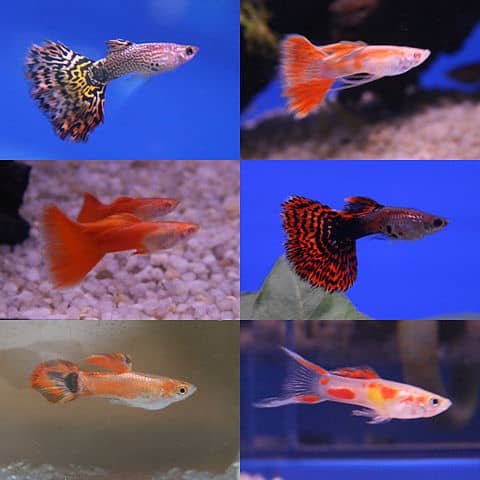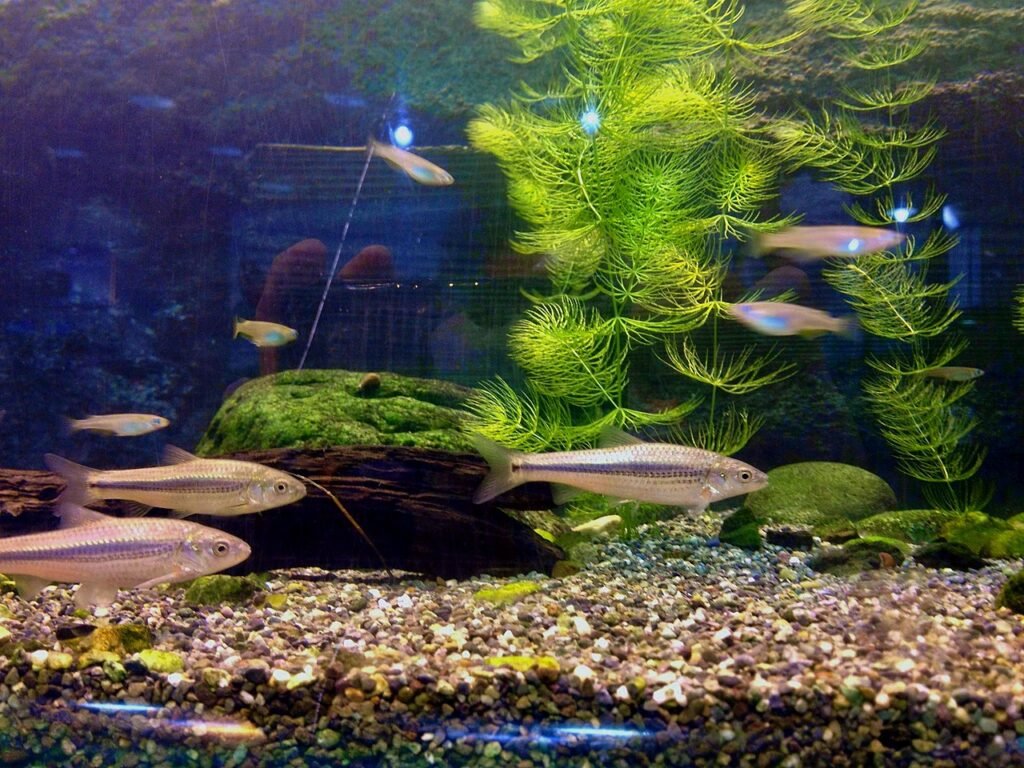
The Medaka (Oryzias latipes), popularly known as the ‘Japanese rice fish,’ has transcended its origins in Asian paddies to establish itself as a fundamental model organism in science and one of the most esteemed species in high-end aquariology. Its extraordinary adaptability, unique genetic profile, and resilience consolidate it as a sophisticated alternative to traditional species such as guppies or Carassius auratus.
In this article, we conduct an in-depth exploration of its taxonomy, technical husbandry requirements, selective breeding, and the impact of the Medaka on both modern aquaculture and contemporary scientific research.
- 1 Key Points
- 2 Taxonomy and Biology of Oryzias latipes
- 3 Specialized Anatomy and Morphology
- 4 The Medaka as a Cornerstone of Modern Scientific Research
- 5 Varieties and Phenotypes: The Aesthetic Evolution of the Medaka
- 6 Classification by Chromatism and Optical Effects
- 7 Technical Requirements
- 8 Outdoor Husbandry: The Art of the Japanese Biotope
- 9 Medaka Compatibility and Comparative Analysis
- 10 Specialized Feeding Protocols and Nutrition
- 11 Advanced Reproduction: Chronobiology, Genetics, and Development
- 12 Advanced Pathology, Immunology, and Veterinary Management
- 13 Conclusion: The Future of the Medaka in Modern Aquaculture
-
14
Frequently Asked Questions (FAQ)
- 14.1 Can Medaka survive in filterless setups?
- 14.2 What is the recommended stocking capacity for Medaka in a 20-liter tank?
- 14.3 What is the optimal diet for Medaka fry?
- 14.4 Do Medaka exhibit aggressive behavior toward one another?
- 14.5 What is the average lifespan of a Medaka?
- 14.6 Which aquatic plants are most suitable for Medaka?
- 14.7 How can I distinguish between male and female Medaka?
- 14.8 Why are my Medaka failing to spawn?
- 15 References
- 16 Entradas relacionadas:
Key Points
- A Pillar of Scientific Innovation: Oryzias latipes has solidified its position as an irreplaceable model organism.
- Mastery in Ornamental Genetics: The Medaka’s aesthetic diversity results from a sophisticated interaction between five types of chromatophores.
- Environmental Resilience and Sustainability: Unlike conventional tropical fish, the Medaka exhibits extraordinary thermal resistance (eurythermy), enabling low-impact outdoor maintenance without supplemental heating.
- Health and Biosecurity: Medaka health relies on a precise balance between biosecurity and microbiome stability.
- Efficiency and Space: Compared to traditional competitors like the Guppy or Goldfish, the Medaka is distinguished by its low waste production and minimal space requirements.
Taxonomy and Biology of Oryzias latipes
The Medaka belongs to the family Adrianichthyidae, a group primarily distributed throughout Southeast Asia. It is a common misconception to classify it as a cyprinid; in fact, this teleost is closely related to the order Beloniformes. Within the class Actinopterygii, the Japanese rice fish occupies a unique taxonomic position (Lee et al. 2014) as the sole genus of the subfamily Oryziinae. Its generic name, Oryzias, is derived from Oryza (rice), an etymological tribute to its historical coexistence within the flooded agrarian landscapes of East Asia (Hilgers and Schwarzer, 2019).
Evolution of Classification
The taxonomic history of Oryzias latipes has been refined through modern scientific inquiry. Originally defined under a broad geographic spectrum (Wang et al. 2007), advancements in morphometrics, meristics, and comparative genetics have allowed for the delimitation of specific populations:
- O. latipes (stricto sensu): Native distribution is currently restricted to the Japanese archipelago (Honshu, Shikoku, Kyushu).
- Oryzias sakaizumii: A distinct species from northwestern Honshu.
- Oryzias sinensis: The Chinese rice fish, found in China, Korea, and mainland Southeast Asia.
Table 01. Taxonomy of the Japanese Rice Fish (Oryzias latipes).
| Taxonomic Rank | Scientific Name |
| Kingdom | Animalia |
| Phylum | Chordata |
| Class | Actinopterygii |
| Order | Beloniformes |
| Family | Adrianichthyidae |
| Subfamily | Oryziinae |
| Genus | Oryzias |
| Species | Oryzias latipes |
Specialized Anatomy and Morphology
The morphology of O. latipes is an evolutionary adaptation to shallow, lentic environments. Adults reach a standard length between 3.2 and 3.6 cm (Wang et al. 2007). Key technical features include:
- Fin Rays: 6 to 7 soft dorsal rays and 15 to 21 anal rays.
- Skeletal Structure: A vertebral count of 30 to 31.
- Sexual Dimorphism: Males exhibit more developed dorsal and anal fins and more intense coloration. Females, though larger, possess more discreet pigmentation. In the wild, their phenotype displays silvery and creamy tones—a cryptic coloration designed for camouflage against silty substrates, protecting them from predators in their natural habitat.
The Medaka as a Cornerstone of Modern Scientific Research
Since the dawn of the 20th century, the Japanese rice fish has established itself as an indispensable model organism in disciplines ranging from genetics and toxicology to developmental biology and aerospace medicine (Hilgers and Schwarzer, 2019). Its prominence in vanguard laboratories stems from a combination of strategic biological factors: compact body size, simplified nutritional requirements, short generation cycles (7 to 9 weeks), and remarkable fecundity (Leaf et al., 2011).
A key differentiating feature is the transparency of its eggs and embryos, which allows for real-time, non-invasive monitoring of embryonic development, positioning the Medaka as an optimal candidate for advanced embryological studies.
Genomic Infrastructure and Genetic Innovation
The Medaka achieved a milestone by being one of the first vertebrates to have a complete whole-genome sequence. Its genome, comprising between 700 and 800 million base pairs (Mb), is notably compact—approximately half the size of the zebrafish (Danio rerio) genome. This structure, coupled with an exhaustive linkage map, has facilitated historic breakthroughs:
Mantente siempre informado
Stay Informed
Únete a nuestras comunidades para recibir al instante las noticias, informes y análisis más importantes del sector acuícola.
Join our communities to get instant access to the most important news, reports, and analysis from the aquaculture industry.
- 1921: It was the first vertebrate in which crossing over between X and Y chromosomes was documented.
- Sex Determination: The identification of the Dmy gene (DM-domain gene on the Y chromosome) represented the first discovery of a sex-determining gene in a non-mammalian vertebrate.
Table 02. Significant Scientific Contributions of the Medaka.
| Field of Research | Primary Contribution |
| Classical Genetics | First demonstration of Mendelian inheritance in vertebrates (1913–1921). |
| Sex Determination | Discovery of the Dmy gene as the primary factor in sexual differentiation. |
| Gene Editing | Pioneer in the successful application of CRISPR/Cas9 technology for functional genomics. |
| Transposable Elements | Identification of Tol1, the first active DNA-based transposable element in vertebrates. |
| Space Biology | First vertebrate to mate and produce viable offspring under microgravity conditions (1994). |
Applications in Biomedicine and Oncology
The Medaka’s predisposition to inbreeding has facilitated the development of highly specialized strains and isogenic panels. These resources constitute an invaluable repository for population genetics and the analysis of allelic variations.
Currently, the Medaka serves as a biomedical model complementary to the zebrafish, particularly in oncological research, where it is fundamental for unraveling the mechanisms of carcinogenesis and disease-modifying genes.
Varieties and Phenotypes: The Aesthetic Evolution of the Medaka
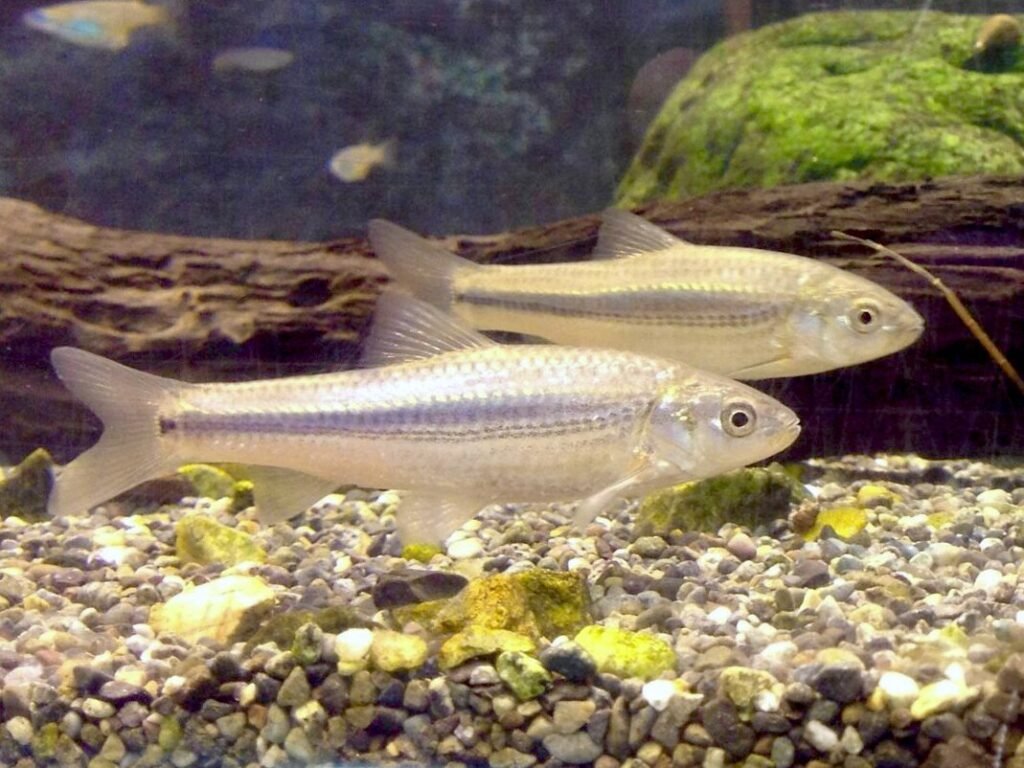
The landscape of ornamental Medaka is defined by a sophisticated aesthetic framework. In contrast to other species, its classification is predicated on the intricate interplay between ground color, structural iridescence, fin morphology, and ocular variations. Rooted in the Japanese tradition of viewing these fish in bowls from a zenithal perspective, many contemporary lineages have been selectively bred specifically for their “top-view” appeal.
Classification by Chromatism and Optical Effects
Table 03 summarizes the most iconic varieties defining the current standard in elite aquariology.
Table 03. Iconic Medaka Varieties.
| Variety | Distinctive Attributes | Reference Example |
| Youkihi | Foundational strain. Notable for a deep orange-red tone, superior in intensity to conventional “Himedaka.” | Youkihi Orange |
| Miyuki | Known as the “external light” type. Features a brilliant metallic dorsal line produced by iridophores. | Blue Miyuki |
| Lame | Characterized by scales emulating a glitter effect through a high concentration of iridophores. | Black Lame |
| Orochi | A highly coveted strain; features an absolute matte jet-black body with exceptional genetic stability. | Pure Black Orochi |
| Yanishi | A variety that emulates the tricolor pattern of Koi carp (red, white, and black). | Tricolor Koi Medaka |
Morphological and Phenotypic Variations
Beyond color, selective breeding has yielded unique body and ocular forms:
- Daruma Morphology (Short Body): This mutation induces vertebral shortening, resulting in a rounded appearance akin to traditional Daruma dolls. Due to their compressed anatomy, they often exhibit increased environmental sensitivity.
- Long Fin Varieties: Strains such as “Swallow” or “Real Long Fin” display elongated, branched rays, providing an ethereal elegance.
- Ocular Specializations: Distinct traits include “Panda” (entirely black iris), “Albino” (red ocular pigmentation), and “Pop-eye” (protruding or telescope eyes).
The Science of Color: Genetic Mechanisms
The Medaka’s chromatic diversity is orchestrated by five types of pigment cells or chromatophores: melanophores (black), xanthophores (yellow), erythrophores (red), leucophores (white), and iridophores (reflective crystals). The interaction of these elements under specific inheritance patterns determines the exclusivity of each specimen.
Epigenetics and Environmental Factors
The final phenotype is not solely dependent on genotype; the environment acts as a critical modulator. Background adaptation demonstrates how container color influences pigmentation: dark vessels stimulate melanophore expansion for camouflage, whereas light vessels inhibit it. Furthermore, direct sunlight and a diet rich in carotenoids (such as astaxanthin) are imperative for manifesting the intense reds and oranges characteristic of high-quality lineages.
Technical Requirements
The Medaka is notable for its remarkable eurythermy, a physiological plasticity that allows it to tolerate extremely broad thermal ranges. However, to guarantee optimal health, maximize longevity, and enhance coloration in display or production systems, adherence to rigorous technical standards is imperative.
Physicochemical Water Quality Standards
For controlled aquarium and laboratory environments, the following parameters are recommended (Medaka Book, 2023):
Table 04. Water Quality Parameters for Medaka Husbandry.
| Parameter | Required Range | Technical Observations |
| pH | 6.8 – 7.5 | Stability at neutral values is prioritized. |
| Conductivity | 200 – 450 μS/cm | Essential for osmotic balance. |
| Temperature | 25 – 28 °C | Reduction to 20 °C promotes longevity. |
| Ammonia (NH₄) | < 0.2 mg/L | Maintain near-zero levels to prevent stress. |
| Nitrite (NO₂) | < 0.1 mg/L | Highly toxic; requires mature biological filtration. |
| Nitrate (NO₃) | < 20 mg/L | Managed via daily 10% water changes. |
| Total Hardness | 20 – 100 mg CaCO₃/L | Adaptable; avoid excessively hard water. |
Configuration Guidelines for Display Aquaria
To translate laboratory success to the professional aquarium, the following technical pillars must be considered:
- Filtration Systems: Low to moderate flow is recommended. As natural inhabitants of lentic waters, excessive currents can induce chronic stress. Sponge filters are the preferred choice, as they protect the fry and foster necessary microfauna.
- Biotic Design (Decor): Densely planted environments are vital. Floating species with extensive root systems, such as Pistia stratiotes (Water Lettuce), are essential for security and serve as a natural spawning substrate.
- Security: Due to their tendency to jump when startled, secure lids or a dense cover of floating vegetation are indispensable.
- Specialized Lighting: While moderate light suffices for general welfare, Miyuki varieties require higher intensity to fully develop and highlight their characteristic metallic dorsal shimmer.
The Ethological Factor: Visual Perception of Density
A disruptive finding in Medaka physiology reported by Fujishiro and Miyanishi (2023) demonstrates that these fish possess the ability to visually perceive population density. This perception triggers neuroendocrine mechanisms that inhibit growth. The study identified a critical developmental difference between groups of 6 and 8 individuals; exceeding this visual threshold in confined environments causes negative physiological effects, suggesting that “visual living space” is as crucial as water volume for the species’ full development.
Outdoor Husbandry: The Art of the Japanese Biotope
In Japan, Medaka breeding has transcended the domestic sphere to become a refined art form known as the “balcony biotope.” This methodology utilizes traditional ceramic vessels (suiren-bachi) or technical polymer containers to create self-sustaining ecosystems that leverage natural environmental dynamics.
Biological Advantages of Outdoor Cultivation
Outdoor maintenance is not merely an aesthetic choice; it offers physiological benefits that are nearly impossible to replicate in indoor aquaria:
- Chromatic Optimization through UV Radiation: Direct exposure to sunlight facilitates significantly more intense pigment synthesis. Natural ultraviolet rays enhance iridescence and erythrophore saturation, achieving color depths that conventional LED systems can seldom match.
- Continuous Bioactive Nutrition: Outdoor ponds foster a rich microfauna (cladocerans, copepods, and chironomid larvae) and phytoplankton. This constant supplementary diet ensures robust growth and a fortified immune system.
- Thermal Resilience and Metabolic Diapause: The Medaka possesses an exceptional capacity for overwintering. In vessels of adequate depth to prevent total freezing, the fish can enter a state of metabolic torpor beneath the ice. This natural cooling cycle is often associated with increased longevity and renewed reproductive vigor upon the arrival of spring.
Professional Recommendation: For outdoor husbandry, utilizing dark-colored vessels is suggested to maximize heat absorption and enhance the black pigmentation (melanophores) of lineages such as the Orochi.
Medaka Compatibility and Comparative Analysis
Medaka compatibility is predicated on three fundamental pillars: a non-aggressive temperament, overlapping physicochemical parameters, and the total absence of predatory behavior.
Invertebrates: The Ideal Companions
Invertebrates are exemplary allies in a Medaka setup, particularly within “balcony biotope” or planted configurations, as they minimize spatial competition.
- Neocaridina Shrimp (Cherry Shrimp): These share a nearly identical thermal range; unlike many other species, Medaka are relatively respectful of shrimp fry, allowing for stable colony growth.
- Snails (Planorbis, Neritina, or Mystery Snails): These gastropods excel at algae control and detritus management, maintaining water quality without interfering with the Medaka’s swimming patterns.
Compatible Fish (Temperate Water Species)
For a successful community aquarium, species that tolerate temperatures below 24 °C and prefer moderate flow are recommended:
- White Cloud Mountain Minnow (Tanichthys albonubes): Arguably the most common companion; they are peaceful, cold-hardy, and occupy similar swimming zones.
- Peppered Corydoras (Corydoras paleatus): Ideal bottom-dwellers that remain unfazed by the Medaka’s surface activity.
- Rosy Loach (Petruichthys sp. ‘rosy’): A small fish that adds dynamism and perfectly tolerates Medaka water parameters.
- Other Rice Fish (Oryzias spp.): Compatible with one another, though caution regarding hybridization is necessary to preserve genetic purity.
Species to Avoid
It is essential to avoid fish that may view the Medaka as prey or compete aggressively for resources: Cichlids (territoriality), Large Goldfish (ingestion risk), and Tiger Barbs (fin-nipping behavior, especially damaging to Long Fin varieties).
Comparative Analysis: Medaka vs. Traditional Species
For the contemporary aquarist and commercial producer, understanding the competitive advantages of the Medaka over the Guppy (Poecilia reticulata) or Goldfish (Carassius auratus) is essential.
Table 05. Comparative Analysis: Medaka vs. Guppy and Goldfish.
| Feature | Medaka (O. latipes) | Guppy (P. reticulata) | Goldfish (C. auratus) |
| Thermal Tolerance | Extreme (4–35 °C) | Low (Requires heater) | High (Cold/Temperate) |
| Biotic Load (Waste) | Minimal | Moderate | Very High |
| Breeding Complexity | Simple / High Fecundity | Very Simple (Livebearers) | Complex / Space-intensive |
| Phenotypic Diversity | Japanese Vanguard | High (Classic lines) | High (Physical morphs) |
| Space Requirements | Compact (10–20 L) | Moderate (40 L+) | Extensive (100–200 L+) |
| Carbon Footprint | Very Low (Unheated) | Medium | High |
Specialized Feeding Protocols and Nutrition
From a biological standpoint, the Medaka is classified as an omnivore with a marked carnivorous predilection. In its natural habitat, its diet primarily consists of mosquito larvae and microcrustaceans. To replicate this success in captivity, the diet must be varied and nutritionally dense.
Adult Nutrition and Aesthetic Enhancement
To maximize the expression of ornamental phenotypes, particularly in Lame and Miyuki varieties, the diet must be designed to enhance cellular health and pigmentation. A regimen with a protein content exceeding 45% is recommended, supplemented with color precursors:
- Color Optimization: The inclusion of astaxanthin and carotenoids is fundamental for intensifying erythrophores and xanthophores.
- Basal Feeding: Utilization of highly digestible floating micro-pellets.
- Bioactive Intake (Live/Frozen Food): Daphnia pulex, Artemia salina, and Tubifex worms (strictly disinfected) to stimulate hunting behavior and reproductive health.
- Scientific Evidence: According to research by Russo et al. (2022), Medaka specimens fed ad libitum with a combination of Artemia nauplii and inert powdered diets exhibit the highest growth indices and survival rates in controlled environments.
Ontogenic Nutrition: The Challenge of Fry Development
The nutritional management of fry is critical due to their reduced gape size upon hatching. During the first 7 to 10 days of life, the protocol must be meticulous:
- Initial Phase: Provision of infusoria and live microorganisms.
- Transition Phase: Gradual introduction of spirulina powder and the use of “green water” (phytoplankton). The latter serves not only as a direct food source but also improves water quality and provides a visually low-stress environment for the offspring.
Advanced Reproduction: Chronobiology, Genetics, and Development
The reproductive cycle of Oryzias latipes is a complex biological machinery synchronized by environmental cues, where photoperiod and temperature act as primary catalysts. As seasonal breeders, their activity peaks during spring and summer, responding to increased day length and water thermodynamics.
Population Management and Genetic Conservation
Reproductive structure and genetic diversity are intrinsically linked to the Operational Sex Ratio (OSR). Based on research by Adams (2025), specific protocols are recommended depending on the breeder’s objective:
- For Genetic Conservation: Maintain an OSR of 1 (6 males/6 females) or OSR of 2 (8 males/4 females) to mitigate genetic drift.
- For Rapid Evolution Studies: An OSR of 0.5 (4 males/8 females) enhances selection pressure and generational turnover.
The Biological Clock: From Laboratory to Wild Habitat
Traditionally, spawning is induced in laboratories using 14h light / 10h dark cycles. However, Kondo et al. (2025) revealed that in their natural habitat (Gifu, Japan), Medaka initiate reproductive activity well before dawn. Spawning intensity—characterized by rapid circling and following—reaches its peak between 00:00 and 04:00 hours.
Furthermore, Iwamatsu et al. (2022) confirm that diurnal photoperiodicity is the supreme regulatory factor of ovulation, persisting even under induced “artificial pregnancy” conditions. Critical latitudinal variations also exist: Fujimoto et al. (2026) note that high-latitude populations (Aomori) exhibit higher fecundity and shorter recruitment periods than those at low latitudes (Okinawa).
Spawning Protocols and Sperm Biotechnology
Gamete management has advanced significantly with the protocol by Sayyari et al. (2023), establishing that abdominal stripping under anesthesia is the most efficient technique for sperm collection, surpassing testicular dissection in terms of viability and animal welfare for cryopreservation.
- Mating Ethology: Kelly (2024) describes a fascinating behavioral dimorphism: while males exhibit the Coolidge Effect (preference for novel partners), females opt for familiar mates to minimize risks.
- Post-Mating Care: Males cease courtship after spawning but continue following the female to ensure paternity (Kondo and Awata, 2025).
Ontogeny: From Hatching to Sexual Maturity
Embryonic development is a transparent process comprising 45 stages (Iwamatsu, 2004). At a constant 25 °C, hatching occurs within 4 to 10 days.
Table 06. Developmental Stages of the Medaka (Oryzias latipes).
| Age (Post-Hatch) | Stage | Mean Length | Developmental Milestone |
| Day 1 | Prelarva | 5.01 mm | Hatching; yolk sac dependency. |
| Day 14 | Postlarva | 6.73 mm | Emergence of pectoral and anal fin buds. |
| Day 35 | Juvenile | 14.64 mm | Complete fin morphology; autonomous swimming. |
| Day 68 | Adult | > 20 mm | Functional sexual maturity; onset of first spawning. |
Longevity and Endocrine Disruption
While their wild lifespan is 1–2 years, captive specimens can reach 5 years (1,838 recorded days). However, their genetic health faces modern challenges: Watanabe et al. (2023) discovered that exposure to contaminants like levonorgestrel (LNG) can trigger sex reversal—masculinizing genetic females (XX) and feminizing genetic males (XY)—a key finding for contemporary environmental toxicology.
Advanced Pathology, Immunology, and Veterinary Management
Despite the Medaka’s inherent robustness, its health is intrinsically linked to ecosystem stability. Stress arising from poor water quality or overcrowding acts as the primary catalyst for disease; consequently, prevention and rigorous quarantine are the only effective sanitary management strategies.
Bacterial Pathogens and the Role of the Microbiome
- Chronic Mycobacteriosis (Fish Tuberculosis): One of the most critical challenges in research colonies, caused by species such as M. fortuitum and M. marinum. It often presents subclinically, with signs like chronic emaciation and internal granulomas appearing only in advanced stages (Sanders and Swaim, 2001). Due to its zoonotic potential and the lack of an effective cure, facility-wide disinfection is the standard protocol during an outbreak.
- Intestinal Homeostasis and Aeromonas: Research by Kawano et al. (2025) underscores the microbiome’s importance. While wild Medaka possess a diverse microbiota that inhibits opportunistic pathogens like Aeromonas, domesticated specimens show reduced microbial diversity, increasing vulnerability during stressful events.
Table 07. Common Pathologies and Treatments.
| Pathology | Causal Agent | Clinical Signs | Suggested Treatment |
| White Spot (Ich) | Ichthyophthirius multifiliis | White pustules on skin and fins. | Controlled thermotherapy and formalin/malachite green. |
| Velvet | Piscinoodinium (Dinoflagellates) | Golden or yellowish powdery coating. | Tank darkening and salt baths. |
| Saprolegniasis | Saprolegnia (Fungi) | Cotton-like growths on tissue or eggs. | Specific antifungals; hygiene optimization. |
| Helminthiasis | Nematodes / Tapeworms | Emaciation despite normal intake. | Praziquantel or Levamisole. |
Advances in Parasitology and Emerging Threats (2023–2025)
- Ectoparasite Control (Neoergasilus japonicus): Katahira et al. (2023) confirmed the efficacy of 1% salt baths as a safe alternative to chemical insecticides, achieving parasite detachment within 24 hours.
- Microsporidiosis: The emergence of Pleistophora hyphessobryconis represents a growing threat to both laboratories and wild populations, as no effective clinical treatment currently exists (Fujiwara et al., 2024).
- Novel Myxosporidian Species: The newly described Myxobolus iwagiensis n. sp. (Kawano et al., 2025b) exhibits specific tropism for nervous and connective tissues, potentially leading to severe motor dysfunction.
Conclusion: The Future of the Medaka in Modern Aquaculture
The Medaka transcends its classification as a mere ornamental fish; it represents a biotechnological convergence between Japanese excellence in selective breeding and the rigor of vanguard biomedical research. For the professional sector, this species offers an unprecedented opportunity for the implementation of low-impact Recirculating Aquaculture Systems (RAS). Its high profitability, driven by the market value of elite varieties such as Black Lame or Tricolor Koi patterns, establishes it as a strategic asset within the aquaculture industry.
For the hobbyist, the Medaka serves as the gateway to “ethical and conscious aquarism.” It is an invitation to rediscover seasonality, respect natural cycles, and actively participate in the observation of fascinating genetics. Oryzias latipes is not merely the fish of the present; it is the cornerstone upon which the aquariology of the future will be built.
Frequently Asked Questions (FAQ)
Can Medaka survive in filterless setups?
Yes, Medaka can thrive in vessels with dense natural vegetation—such as Low-Tech or Walstad-style systems—provided there is a low stocking density; however, this approach requires advanced proficiency in monitoring the nitrogen cycle to ensure biological stability.
What is the recommended stocking capacity for Medaka in a 20-liter tank?
A stocking ratio of one fish per two liters of water is recommended; consequently, a group of 6 to 10 individuals is ideal for an optimally maintained 20-liter aquarium.
What is the optimal diet for Medaka fry?
The ideal nourishment consists of ‘green water’ enriched with unicellular algae and infusoria. Within a few days, the fry will transition to accepting newly hatched Artemia nauplii as their primary protein source.
Do Medaka exhibit aggressive behavior toward one another?
No, they are highly peaceful shoaling fish. However, males may exhibit minor territorial displays during spawning periods as they compete for reproductive access.
What is the average lifespan of a Medaka?
In captivity, their life expectancy typically ranges from 3 to 5 years.
Which aquatic plants are most suitable for Medaka?
Floating macrophytes such as Salvinia, Pistia, or Limnobium laevigatum are ideal; their extensive root systems provide optimal natural substrates for oviposition, enabling females to deposit their egg clusters securely.
How can I distinguish between male and female Medaka?
Sexual dimorphism is primarily evident in the morphology of the anal fin: males possess a larger, trapezoidal fin with characteristic notches, whereas females exhibit a smaller, more rounded anal fin profile.
Why are my Medaka failing to spawn?
The most prevalent factors are an insufficient photoperiod—as they typically require more than 13 hours of light to trigger reproductive activity—or a protein-deficient diet that fails to meet the metabolic demands of vitellogenesis.
References
Adams, T. (2025). The influence of sex ratio on mating system structure in Japanese medaka (Oryzias latipes) [Tesis de licenciatura con honores]. Saint Mary’s University.
Dong S, Kang M, Wu X, Ye T. 2014. Development of a promising fish model (Oryzias melastigma) for assessing multiple responses to stresses in the marine environment. Biomed Res Int. 2014;2014:563131. doi: 10.1155/2014/563131. Epub 2014 Mar 3. PMID: 24724087; PMCID: PMC3958766.
Fujimoto, S., I. Murase, H. Kobayashi, B. K. A. Sumarto, M. Yagi, and K. Yamahira. 2026. “ Shorter Recruitment Periods and Higher Fecundity in High-Latitude Populations of the Oryzias latipes Species Complex.” Population Ecology 68, no. 1: e70012. https://doi.org/10.1002/1438-390x.70012.
Fujishiro, K., & Miyanishi, H. (2023). Visual Perception of Density and Density-Dependent Growth in Medaka (Oryzias latipes): A Suitable Model for Studying Density Effects in Fish. Zoological science, 40(5), 404-413. https://doi.org/10.2108/zs230018
Fujiwara, T., Kawano, K. M., Sonoda, M., Shimizu, N., Sawayama, E., & Yanagida, T. (2024). First report of Pleistophora hyphessobryconis infection in medaka Oryzias latipes, an important ornamental and laboratory fish in Japan. Parasitology International, 98, 102825. https://doi.org/10.1016/j.parint.2023.102825
Hilgers L, Schwarzer J. 2019. The untapped potential of medaka and its wild relatives. Elife. 2019 Jul 9;8:e46994. doi: 10.7554/eLife.46994. PMID: 31287418; PMCID: PMC6615862.
Iwamatsu, T. (2004). Stages of normal development in the medaka Oryzias latipes. Mechanisms of Development, 121(7-8), 605-618. https://doi.org/10.1016/j.mod.2004.03.012
Iwamatsu, T., Oda, S., Kobayashi, H., Parenti, L. R., Fluck, R. A., Yasuda, T., & Nakane, K. (2022). The light-dependent daily cycle of ovulation in the oviparous medaka fish, Oryzias latipes (Atherinomorpha: Beloniformes: Adrianichthyidae) artificially pregnant with developing embryos. Journal of Experimental Zoology Part A: Ecological and Integrative Physiology, 337(6), 687-693. https://doi.org/10.1002/jez.2600
Katahira, H., Ikeda, O., & Yodo, T. (2023). An Outbreak of Neoergasilus japonicus (Copepoda: Ergasilidae) on the Japanese Rice Fish Oryzias latipes Reared in an Outdoor Tank. Fish Pathology, 58(4), 171-174.
Kawano, K., Kawabe, K., Sano, Y. et al. Wild gut microbiome suppresses the potentially opportunistic pathogen Aeromonas in medaka under domesticated rearing conditions. anim microbiome 7, 98 (2025). https://doi.org/10.1186/s42523-025-00462-4
Kawano, K. M., Sakurai, M., & Yanagida, T. (2025b). Description of Myxobolus iwagiensis n. Sp. (Myxosporea: Myxobolidae), infecting medaka Oryzias latipes (Temminck & Schlegel, 1846) (Beloniformes: Adrianichthyidae) in Japan. Parasitology International, 108, 103074. https://doi.org/10.1016/j.parint.2025.103074
Kelly, M. C. (2024). The effects of novel mates and competitors on the courtship and aggression behaviour of Japanese medaka (Oryzias latipes) [Bachelor of Science with Honours thesis, Saint Mary’s University].
Kondo Y, Okamoto K, Kitamukai Y, Koya Y, Awata S (2025) Medaka (Oryzias latipes) initiate courtship and spawning late at night: Insights from field observations. PLoS ONE 20(2): e0318358. https://doi.org/10.1371/journal.pone.0318358
Kondo, Y., & Awata, S. (2025). Courtship and spawning behaviour of medaka in a semi-outdoor environment initiating at midnight. Scientific Reports, 15(1), 17057. https://doi.org/10.1038/s41598-025-01037-8
Leaf, Robert & Jiao, Yan & Murphy, Brian & Kramer, Jeffrey & Sorensen, Karl & Wooten, Victor. (2011). Life-History Characteristics of Japanese Medaka Oryzias latipes. Copeia. 2011. 559-565. 10.1643/CI-09-190.
Lee SH, Kim CC, Koh SJ, Shin LS, Cho JK, Han KH. 2014. Egg Development and Morphology of Larva and Juvenile of the Oryzias latipes. Dev Reprod. 2014 Sep;18(3):173-8. doi: 10.12717/DR.2014.18.3.173. PMID: 25949187; PMCID: PMC4282211.
Mosi, L., Mutoji, N. K., Basile, F. A., Donnell, R., Jackson, K. L., Spangenberg, T., Kishi, Y., Ennis, D. G., & Small, P. L. (2012). Mycobacterium ulcerans causes minimal pathogenesis and colonization in medaka (Oryzias latipes): An experimental fish model of disease transmission. Microbes and Infection, 14(9), 719-729. https://doi.org/10.1016/j.micinf.2012.02.009
Russo, C., Drewery, M., Chang, C. T., Savage, M., Sanchez, L., Varga, Z., … & Lu, Y. (2022). Assessment of various standard fish diets on growth and fecundity of platyfish (Xiphophorus maculatus) and medaka (Oryzias latipes). Zebrafish, 19(5), 181-189.
Sanders, G. E., & Swaim, L. E. (2001). Atypical piscine mycobacteriosis in Japanese medaka (Oryzias latipes). Comparative Medicine, 51(2), 171-175.
Sayyari, A., Krogenæs, A. K., Mayer, I., & Labbé, C. (2024). Sperm handling and management in the teleost model fish Japanese medaka (Oryzias latipes). Scientific Reports, 14(1), 14736. https://doi.org/10.1038/s41598-024-65376-8
Wang, X., Khan, I. A., & Dasmahapatra, A. K. (2007). Japanese Medaka (Oryzias latipes). Leading-edge Messenger RNA Research Communications, 169.
Watanabe, A., Myosho, T., Ishibashi, A., Yamamoto, J., Toda, M., Onishi, Y., & Kobayashi, T. (2023). Levonorgestrel causes feminization and dose-dependent masculinization in medaka fish (Oryzias latipes): Endocrine-disruption activity and its correlation with sex reversal. Science of The Total Environment, 876, 162740. https://doi.org/10.1016/j.scitotenv.2023.162740

Editor at the digital magazine AquaHoy. He holds a degree in Aquaculture Biology from the National University of Santa (UNS) and a Master’s degree in Science and Innovation Management from the Polytechnic University of Valencia, with postgraduate diplomas in Business Innovation and Innovation Management. He possesses extensive experience in the aquaculture and fisheries sector, having led the Fisheries Innovation Unit of the National Program for Innovation in Fisheries and Aquaculture (PNIPA). He has served as a senior consultant in technology watch, an innovation project formulator and advisor, and a lecturer at UNS. He is a member of the Peruvian College of Biologists and was recognized by the World Aquaculture Society (WAS) in 2016 for his contribution to aquaculture.