The Zander (Sander lucioperca) holds significant economic and sporting importance, factors that have driven its introduction across various European nations—such as Germany, France, Italy, and Greece—as well as regions in Africa, Asia, and North America. However, due to its role as an apex predator, its presence has triggered ecological impacts on indigenous fish populations; consequently, countries like Spain and Portugal formally categorize it as an invasive species.
Furthermore, the ‘pikeperch’ enjoys high global market demand owing to its exceptional nutritional attributes, including a delicate texture and a prized absence of intermuscular bones (Javid & Falahatkar, 2021), rendering it a strategic candidate for diversifying the aquaculture industry across Europe and Asia. Regarding production, global fishery captures hovered around 26,000 tonnes in 2020 (FAO, 2022), while controlled aquaculture output reached 4,769 tonnes in 2023, reflecting sustained growth within the sector. This article examines the most significant breakthroughs in the pisciculture of this promising species.
- 1 Key Highlights
- 2 What is the Zander? Taxonomy and Characteristics of Sander lucioperca
- 3 Habitat and Distribution: Where Does the Zander Inhabit?
- 4 Zander Production in Global Aquaculture: Trends and Market Analysis
- 5 Gastronomy and Market Value: Why is the Zander Known as “White Gold”?
- 6 Reproductive Biology of the Zander
- 7 Feeding Strategies: From Larval Weaning to Grow-out
- 8 The Rise of Zander (Sander lucioperca) Aquaculture
- 9 Zander Grow-out: From Tradition to Precision Aquaculture
- 10 Diseases Affecting Zander
- 11 Conclusion
- 12 Frequently Asked Questions (FAQ)
- 13 References
- 14 Entradas relacionadas:
Key Highlights
- Global Zander production has quintupled over the last decade, reaching an all-time high of 4,769 tonnes in 2023. Its commercial success is driven by rising demand for its culinary attributes: lean meat with a tender texture, a delicate flavor profile, and the highly valued absence of intermuscular bones.
- As an apex predator, Sander lucioperca possesses unique evolutionary adaptations, such as the tapetum lucidum, which grants it exceptional vision in turbid waters and low-light conditions. This biological advantage enables it to colonize diverse ecosystems—from high-flow rivers to brackish estuaries—though it also underpins its status as an invasive species in regions like the Iberian Peninsula.
- Despite technological strides, larval survival remains the sector’s primary bottleneck, typically hovering below 20%. A reliance on live feed and a high susceptibility to cannibalism necessitate rigorous management protocols and timely size grading to ensure the economic viability of culture facilities.
- Reproductive success and optimal growth hinge on a specific biochemical equilibrium rather than mere caloric intake. It is critical to maintain a ratio of 3:2:2 (DHA:EPA:ARA) in the broodstock diet, as adequate levels of arachidonic acid (ARA) are essential for gamete quality and embryo survival.
- The industry is pivoting toward precision aquaculture models. While Recirculating Aquaculture Systems (RAS) allow for total environmental control and accelerated growth, In-Pond Raceway Systems (IPRS) are emerging as a highly profitable and sustainable alternative; both approaches prioritize animal welfare and environmental enrichment to mitigate stress and enhance productivity.
What is the Zander? Taxonomy and Characteristics of Sander lucioperca
The Zander serves as an apex predator in Eurasian fluvial and lacustrine ecosystems. Although frequently confused with other perciforms, understanding its biological identity is essential for decoding its behavior in the wild and optimizing its rearing in captivity.
Scientifically known as Sander lucioperca, this species is characterized by its hydrodynamic profile and crepuscular habits. Its vision is exceptional in low-light conditions due to the tapetum lucidum, a layer of ocular tissue that maximizes light capture in turbid waters.
Table 01. Taxonomic Classification of the Zander.
| Category | Detail |
| Kingdom | Animalia |
| Phylum | Chordata |
| Class | Actinopterygii |
| Order | Perciformes |
| Family | Percidae |
| Genus | Sander |
| Scientific Name | Sander lucioperca (Linnaeus, 1758) |
| Common Names | Lucioperca, sandre, zander (Sp); Zander, Pikeperch (En) |
Detailed Morphology and Dimensions
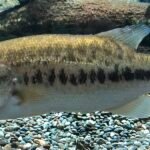
The Zander possesses a fusiform body, evolutionarily optimized for executing swift and precise strikes. Its coloration transitions from a greenish-gray on the dorsum to silvery tones on the flanks, adorned with dark vertical bands that tend to fade as the specimen reaches maturity.
Its anatomy is distinguished by a prominent mouth equipped with multiple sharp teeth and well-developed frontal canines, ideal for capturing elusive prey such as the bleak (Alburnus alburnus). It features two clearly separated dorsal fins: the first composed of spiny rays and the second of soft rays.
Regarding size, while average specimens range between 50 and 70 cm (weighing 2 to 5 kg), exceptional individuals have been recorded reaching 130 cm and weights exceeding 18 kg.
Key Differences: Zander vs. Northern Pike
Novice anglers and consumers frequently confuse these species due to their composite names; however, they belong to distinct biological families with divergent characteristics.
Stay Always Informed
Join our communities to instantly receive the most important news, reports, and analysis from the aquaculture industry.
Table 02. Technical Comparison: Zander vs. Northern Pike.
| Feature | Zander (Sander lucioperca) | Northern Pike (Esox lucius) |
| Family | Percidae (Percids) | Esocidae (Esocids) |
| Dentition | Prominent frontal canines | Rows of needle-like, “beak-shaped” teeth |
| Dorsal Fin | Two (one spiny, one soft) | Single, located in the posterior region |
| Vision | Specialized for darkness (cloudy eyes) | Predominantly diurnal |
| Skin Texture | Rough (ctenoid scales) | Smooth and mucous |
| Culinary Value | Delicate, lean, and premium meat | Intense flavor, presence of Y-bones |
A foolproof method to distinguish them by touch is the direction of the scales: while the Zander’s skin feels as coarse as sandpaper when stroked from tail to head, the Pike is notably slippery and smooth.
Habitat and Distribution: Where Does the Zander Inhabit?
Native to Central Europe and Western Asia, the Zander has colonized much of the European continent, including the Iberian Peninsula, where it was introduced in the mid-20th century. According to Pérez (2014), its natural range encompasses the basins of the Baltic, Caspian, Aral, Azov, and Black Seas.
Environmental Preferences and Adaptability
In its natural environment, this species shows a predilection for expansive, high-volume rivers, as well as turbid, eutrophic lakes. Its biological success stems from its versatility:
- Substrates: It favors rocky, sandy, or gravel-laden bottoms.
- Water Conditions: It tolerates slow-moving currents and possesses notable resistance to slightly brackish waters, enabling it to colonize estuaries.
- Competitive Advantage: Its ability to thrive in low-visibility environments grants it tactical superiority over other predators that rely exclusively on light clarity for hunting.
Zander Production in Global Aquaculture: Trends and Market Analysis
Global Zander production has demonstrated a robust growth trajectory over the past half-decade, despite facing significant adjustments along the way.
- 2023 Production Milestone: The sector reached an all-time high of 4,769.65 tonnes (see Table 03), representing a 70% increase compared to 2019 figures.
- 2021 Cyclical Instability: A temporary production dip was recorded (1,466 t), primarily attributed to fluctuations in Kazakhstan’s reporting during that fiscal year.
Table 03. Global Zander Aquaculture Production (2019-2023) in tonnes.
| Country | 2019 | 2020 | 2021 | 2022 | 2023 |
| GLOBAL TOTAL | 2,793.48 | 2,678.45 | 1,466.54 | 3,640.32 | 4,769.65 |
| Kazakhstan | 1,500.00 | 1,241.80 | 51.40 | 2,077.60 | 1,784.90 |
| Russian Federation | 82.00 | 174.00 | 245.00 | 330.00 | 927.00 |
| Ukraine | 0.00 | 0.00 | 0.00 | 0.00 | 580.27 |
| Denmark | 266.85 | 292.00 | 158.00 | 339.00 | 389.00 |
| France | 86.28 | 54.23 | 65.78 | 51.94 | 197.07 |
| Germany | 57.00 | 56.00 | 84.00 | 100.00 | 148.00 |
| Algeria | 50.13 | 72.88 | 133.87 | 134.00 | 134.00 |
| Tunisia | 196.00 | 219.00 | 169.00 | 194.00 | 121.94 |
| Uzbekistan | 100.00 | 100.00 | 100.00 | 100.00 | 100.00 |
| Others* | 355.22 | 262.54 | 403.49 | 293.78 | 387.47 |
Source: Compiled by the author based on FAO (2025). FishStat: Global Aquaculture Production 1950-2023. (“Others” includes Moldova, Czech Rep., Switzerland, Poland, Romania, Hungary, Bulgaria, Austria, Tajikistan, Latvia, Croatia, Slovakia, Lithuania, and Bosnia and Herzegovina).
Technical Observations and Growth Drivers
- Eurasian and Central Asian Leadership: Kazakhstan and the Russian Federation dominate output, utilizing both extensive systems in natural reservoirs and intensive farming models.
- Western European Consolidation: Growth in Denmark, France, and Germany suggests heavy investment in Recirculating Aquaculture Systems (RAS), which are ideal for high-value species sensitive to water quality.
- North African Adaptation: Productive stability in Algeria and Tunisia confirms successful acclimatization in freshwater reservoirs under warmer climate regimes.
- Emerging Hubs: The recent entry of Ukraine and the uptick in Moldova indicate growing dynamism in the Black Sea basin value chain.
In conclusion, Zander is cementing its status as a strategic asset in modern aquaculture. The sector’s immediate challenge lies in stabilizing output against environmental volatility by transitioning toward more controlled and technologically advanced farming systems.
Gastronomy and Market Value: Why is the Zander Known as “White Gold”?
Zander meat is regarded as a premium, high-end product in Central Europe. It is a white fish with a firm yet delicate texture and a fat content of less than 1.2%. The absence of intramuscular “Y-bones” makes it far superior to the Northern Pike in the realm of haute cuisine.
Organoleptic Profile
Unlike other freshwater fish, Zander typically does not exhibit “earthy” off-flavors (geosmin) when reared in controlled systems. Its flavor is subtle, allowing for sophisticated pairings with butter sauces, dill, or steamed preparations that respect the integrity of the fillet.
Economic Analysis
- Wholesale/Farm-gate Prices: In the European market, whole Zander prices hover around €9–12/kg, while fresh fillets can command between €22–30/kg.
- Demand: Nations such as Germany, Switzerland, and France import large volumes from Eastern Europe; however, there is a burgeoning demand for local RAS-produced fish due to its superior freshness and sustainability profile.
Reproductive Biology of the Zander
The Zander exhibits no evident external sexual dimorphism and relies on external fertilization. Sexual maturity is typically reached between 2 and 3 years for males and 3 to 4 years for females. A decisive factor in this process is cumulative thermal units; in this regard, Lappalainen et al. (2003) note that southern populations mature more rapidly than those located at northern latitudes.
In commercial aquaculture, it is common to capture wild broodstock for artificial propagation (Falahatkar et al., 2018). Furthermore, biotechnological innovation has enabled advancements such as successful triploidization through thermal shocks (Blecha et al., 2016).
Spawning Dynamics and Substrate Preferences
Females of Sander lucioperca exhibit synchronous oocyte development and reproduce once a year. Spawning usually occurs within a thermal range of 10 – 14 °C, during which males display territorial behavior, excavating nests approximately 50 cm in diameter in rocky or sandy substrates.
- Fecundity: A single female can release between 150,000 and 190,000 eggs (approx. 1 mm in diameter), though this figure is proportional to her size (Pérez, 2014).
- Ideal Substrate: Research by Malinovskyi et al. (2018) demonstrates a significant preference for long-fiber weed nests over artificial turf or smooth plastics.
- Hormonal Induction: To optimize maturation, carp pituitary extract (CPE) and human chorionic gonadotropin (hCG) are successfully employed (Zakęś & Demska, 2009). Additionally, a 24-hour light photoperiod can accelerate response times (Pourhosein & Falahatkar, 2021).
Out-of-Season Breeding Protocol (RAS)
According to Polishchuk and Simon (2023), reproductive success in Recirculating Aquaculture Systems (RAS) depends on the artificial simulation of seasons through three thermal phases:
- Cooling: Gradual reduction from 20 °C to 8 °C.
- Maintenance (Artificial Overwintering): Stabilization between 4 °C and 8 °C to consolidate gamete maturation.
- Induction (Warming): Elevation from 8 °C to 12 °C combined with an increased photoperiod (from 8 to 14 hours of light daily).
Pharmacological Treatments:
- Fish Pituitary: Dosages of 1.0 -1.5 mg/kg for females and 0.5 -1.0 mg/kg for males.
- hCG: Application of 200 to 600 IU/kg.
- Synthetic Analogs: Use of GnRH analogs (such as Surfagon or Vadilen) to synchronize spawning.
Incubation, Hatching, and Larval Management
The optimal temperature for incubation lies between 12 and 16 °C (FAO, 2009). While higher temperatures (20 °C) accelerate development (3 days vs. 11 days), embryonic survival can drop drastically to 56% (Güralp et al., 2017). Regarding larval lighting, Tielmann et al. (2017) recommend:
- 100 lx: To minimize initial mortality.
- 500–1000 lx: To enhance growth and stress resistance.
Challenges: Cannibalism and Hybridization
Cannibalism remains the primary bottleneck during the larval phase. Franz et al. (2025) suggest delaying the first size grading until 43–44 days post-hatching (dph). At this stage, fingerlings possess a more robust skeletal structure (approx. 45 vertebrae), which reduces handling stress. Finally, the study by Stanivuk et al. (2026) opens new doors through hybridization with the Volga Pikeperch (Sander volgensis), achieving higher survival rates and a notable reduction in intra-cohort cannibalism.
Feeding Strategies: From Larval Weaning to Grow-out
While a diverse array of commercial feeds is currently available for juveniles and adults, larval weaning remains the most complex technical bottleneck in Zander farming due to the species’ critical reliance on live feed during its initial stages.
Nutrition and Protocols in the Larval Phase
Deficient nutrition and inadequate rearing protocols are the primary drivers of mortality in early developmental stages (Yanes et al., 2020). Given that larvae exhibit pelagic feeding habits, the following strategies are recommended:
- Weaning Chronology: The process should commence approximately 15 days post-hatching (DPH). A transition period is suggested, combining live feed, formulated diets, and frozen or dry animal protein sources, such as chironomids or Tubifex (Javid & Falahatkar, 2021; Bódis et al., 2007).
- Enrichment and Supplementation: Utilizing rotifers fortified with the microalgae Chlorella vulgaris during the first 15 DPH optimizes survival rates (Yanes et al., 2020). Furthermore, taurine supplementation enhances growth and enzymatic activity, facilitating superior nutrient assimilation (Yanes et al., 2022).
- Malformation Prevention: Imbalances in the calcium-to-phosphorus ratio, unsaturated fatty acids, and vitamins C and E have been linked to instances of lordosis and scoliosis (El Kertaoui et al., 2019).
- Optimal Density: Recent studies suggest that peak growth within the first 10 DPH is achieved at a concentration of 6.3 rotifers (Brachionus plicatilis) per milliliter, equivalent to approximately 340 rotifers per larva daily (Ballesteros et al., 2023).
Juvenile Feeding and Cost Optimization
For the grow-out of juveniles, commercial feeds are available whose efficiency can be bolstered through specific adjustments:
- Yeast Supplementation: Including 2% yeast extract in the feed promotes superior growth performance (Jarmołowicz et al., 2017).
- Feeding Rate: A rate of 0.5% of the total daily biomass is sufficient for maintaining vital functions (Kozłowski et al., 2018).
- Carbohydrate Utilization: The Zander can utilize carbohydrates as an energy source to exert a protein-sparing effect, provided starch levels remain below 10% to prevent metabolic imbalances (Zhao et al., 2024).
Broodstock Nutrition: The Biochemical Equilibrium
According to Péter et al. (2023c), success in gamete quality depends not on the volume of marine ingredients, but on a precise balance of fatty acids. An optimized broodstock diet must rest on four pillars:
- Immunological Management: Hatchery-reared fish (F1) exhibit more intense inflammatory responses to stress, which depletes ARA reserves. The diet must include nutrients that minimize inflammation to protect offspring viability.
- Arachidonic Acid (ARA) Priority: This is the determining factor for embryonic survival. Commercial diets are often ARA-deficient (1.32% in captivity vs. 5.7% in the wild); thus, supplementation is mandatory.
- Vegetable Oil Substitution: The use of oils rich in linoleic (sunflower) and oleic acids should be reduced, as they inhibit ARA synthesis. Instead, flaxseed oil (rich in alpha-linolenic acid – ALA) is recommended.
- The Critical 3:2:2 Ratio: More fundamental than total lipid content is the balanced ratio of DHA:EPA:ARA. A 3:2:2 proportion has yielded optimal results in egg quality.
The Rise of Zander (Sander lucioperca) Aquaculture
Global Zander production has undergone an unprecedented transformation, effectively quintupling in volume over the last decade. According to FAO data (2022), production surged from a mere 646 tonnes in 2010 to over 3,073 tonnes in 2020, cementing its status as one of the species with the highest potential for European aquaculture. This commercial momentum is bolstered by scientific breakthroughs: in 2019, the first draft of its genome was published (Nguinkal et al.), a milestone that paves the way for genetic improvement and process optimization. However, for this industry to reach full maturity, critical barriers must still be overcome.
Technical and Operational Challenges
The primary bottleneck of the activity lies in larviculture. Currently, survival rates at this stage remain below 20% (Yanes et al., 2020). This factor, coupled with a reliance on live feed—which significantly drives up operating costs (Javid & Falahatkar, 2021)—makes the identification of efficient, low-cost feeding protocols a top priority for producers.
Regarding farm management, the species shows remarkable thermal resilience. Swirplies et al. (2019) report that the optimal growth temperature in captivity is above 20 °C, potentially reaching 25 °C without compromising animal welfare.
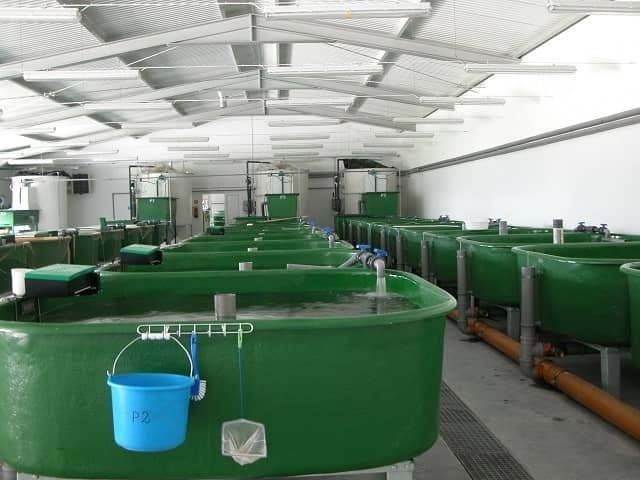
Table 04. Optimal Water Quality Parameters in Zander Culture.
| Parameter | Optimal Range / Value |
| Culture Temperature | > 20 °C (Welfare limit: 25 °C) |
| Incubation Temperature | 15 °C |
| Oxygen Concentration (O2) | 7 – 9 mg/L (Critical minimum: 4 – 6 mg/L) |
| Tank Turbidity | 38 FAU (Formazin Attenuation Units) |
| Carbon Dioxide (CO2) | < 15 mg/L |
| Nitrates (NO3-N) | 30 mg/L |
| Tank Color | Green (for stress reduction and contrast) |
| Basal Feeding Rate | 0.5% of total biomass |
Technical Note: Maintaining these parameters within the specified ranges is vital to prevent stress episodes that lead to cannibalism or susceptibility to pathogens.
Production Management: Rearing and Grow-out Systems
Zander production efficiency depends on precise management of stocking densities and strict environmental control, varying significantly between the larval and grow-out phases.
Larval and Juvenile Rearing: Densities and Systems
Success in the early developmental stages is linked to spatial management. According to Szkudlarek and Zakęś (2007), in Recirculating Aquaculture Systems (RAS), an initial density of 100 individuals/L is recommended during the first 18 days, reducing to 15 individuals/L from day 19 onward. For juveniles (0.2 to 10 g), research provides the following guidelines:
- RAS Densities: Up to 10 fish/L can be maintained in 2 – 5 m3 tanks. Recent studies by Kozłowski and Piotrowska (2024) suggest stocking loads of 2.68 kg m-3 for 6.7 g specimens and 3.84 kg m-3 for 19.2 g specimens.
- System Efficiency: Policar et al. (2016) and Péter et al. (2023a) agree that the Pond-RAS combination offers the highest production efficiency. While conventional RAS systems reduce mortality and accelerate long-term growth, juveniles reared in ponds and released in spring show better cost-effectiveness and a higher post-release survival rate (Holubová et al., 2025).
Grow-out Optimization and Water Quality
During the grow-out phase, Zander metabolism is highly sensitive to water chemistry.
- CO2 Management: Although adults can survive in concentrations up to 30 mg/L, their metabolism is compromised when levels exceed 15 mg/L (Steinberg et al., 2017).
- Nitrates (NO3-N): The species tolerates up to 240 mg/L, but optimal energetic performance is achieved by maintaining levels near 30 mg/L (Steinberg et al., 2018).
- Visual Environment: Green tanks are most suitable for reducing stress during rearing and transport (Grozea et al., 2016). Likewise, turbidity plays a tactical role: a turbidity of 38 FAU reduces feeding latency compared to crystal-clear waters, where fish show a slower response (Ende et al., 2021).
Table 05. Comparison of Culture Environments.
| Parameter | Pond Rearing | Recirculating System (RAS) |
| Surface / Volume | 0.5 – 2.0 ha (Depth: 1.2 – 1.5 m) | 1.0 – 3.0 m3 (Depth: 70 – 100 cm) |
| Optimal Temp. | Variable (climate-dependent) | Stable at 22 °C |
| Yield | 50 – 250 kg of larvae / ha | 5 – 8 larvae/L (1.5 to 3.0 kg/m3) |
| Primary Advantage | Lower cost and higher hardiness | Total control and accelerated growth |
Generational Evolution: A relevant finding by Péter et al. (2023b) indicates that the F2 generation of Zander shows superior growth and survival in pond systems compared to the F1 generation. However, for intensive grow-out in conventional RAS.
Zander Grow-out: From Tradition to Precision Aquaculture
Historically, Zander grow-out has been conducted under polyculture regimes alongside carp, utilizing low densities ranging from 20 to 100 adult specimens per hectare. However, the transition toward more intensive and profitable models has given rise to novel methodologies.
The IPRS System: Efficiency and Profitability
One of the most promising alternatives is the In-Pond Raceway System (IPRS). According to Kučera et al. (2025), this method is emerging as a highly cost-effective and technical solution for juvenile production. By leveraging existing pond infrastructure—common in Central and Eastern Europe—the IPRS offers a superior balance between operational costs and animal welfare, surpassing the economic viability of industrial Recirculating Aquaculture Systems (RAS) in specific contexts.
Optimized Protocol for Domestication and Welfare
To consolidate Zander domestication, Pourhosein-Sarameh and Falahatkar (2024) propose a comprehensive protocol that merges advanced technology with the species’ biological requirements:
- Environmental Complexity and Tank Design
- Critical Monitoring: It is imperative to maintain constant physicochemical and biotic variables through telemetry systems and optimized measurement points.
- Environmental Enrichment: Integrating shelters, nests, and housing structures into tanks drastically reduces cortisol (stress) levels, intraspecific aggression, and spatial competition.
- Enclosure Architecture: The use of passive substrates (pebbles and gravel) and the selection of colors and dimensions that mimic the natural habitat are recommended to promote fish tranquility.
- Ethological and Spatial Management
- Adaptive Capacity: Environmental design must ensure healthy social interactions and unobstructed swimming, allowing for essential rest periods for successful reproduction.
- Aggressiveness Control: Establishing stocking densities should be based on an understanding of the species’ spatial patterns to minimize harmful territorial behaviors.
- Nutrition and Self-Feeding The use of self-feeding systems is encouraged, allowing the fish (particularly during the larval stage) to regulate intake according to their circadian rhythms. This not only improves nutrient absorption efficiency but also minimizes feed waste.
- Biosecurity and Advanced Genetics
- Genetic Improvement: Selective breeding should target specimens with greater intrinsic resistance to stress and opportunistic pathogens, ensuring long-term farm sustainability.
- Preventive Health: The strategy must prioritize biosecurity and standardized preventive treatments prior to any relocation.
- Stress Management: For transport and handling, the protocol mandates the use of anesthetics to mitigate the physiological stress response.
Diseases Affecting Zander
Ectoparasites, particularly those within the Trichodinidae family, impact both wild and farmed fish populations. Naas et al. (2024) successfully eradicated trichodinids in Zander reared in Recirculating Aquaculture Systems (RAS) by maintaining a concentration of 6 g/L of NaCl over a 21-day period.
Conclusion
The Zander (Sander lucioperca) has transitioned from being merely a sporting trophy to becoming a cornerstone of aquaculture diversification across Eurasia and North Africa. Its five-fold production growth over the last decade is a testament to a market that increasingly demands its lean meat, delicate texture, and excellent nutritional profile. Despite these successes, the future of its cultivation hinges on overcoming three fundamental challenges:
- Larval Optimization: Increasing survival rates beyond 20% through precision nutrition protocols (such as taurine and ARA enrichment).
- System Technification: The adoption of hybrid models (Pond-RAS) and innovations like IPRS, which ensure both animal welfare and economic profitability.
- Genetic Domestication: The selection of F2 lines and subsequent generations that demonstrate higher stress resilience and superior assimilation of commercial feeds.
Ultimately, the integration of reproductive biotechnology and advanced environmental management positions the Zander as a strategic species for ensuring food security and the sustainability of the aquaculture sector in the years to come.
Frequently Asked Questions (FAQ)
Is the Zander a dangerous fish?
Not to humans. Although it possesses sharp teeth and spiny rays on its first dorsal fin that can cause punctures, it is not aggressive toward people. However, they should be handled with caution to prevent accidental cuts or injuries.
What does Zander taste like?
Its flavor is remarkably mild and sophisticated, comparable to sea bass or turbot, yet it retains the distinct texture of pristine freshwater fish. Crucially, it lacks the ‘muddy’ off-flavor frequently associated with other inland species.
What size can the Zander reach?
Under optimal conditions, it can grow up to 120 cm and weigh between 15 and 20 kg, although most wild-caught and commercial specimens typically range from 2 to 5 kg. In high-intensity Recirculating Aquaculture Systems (RAS), it can reach a weight of 500–800 grams within 12 to 14 months. In the wild, growth rates are significantly slower, requiring approximately 2 to 3 years to reach marketable size.
Where can I purchase high-quality Zander?
It is typically available at specialized fishmongers or through premium European markets. The majority of the supply is sourced from Eastern European aquaculture or wild-capture fisheries in major lake systems.
Is Zander a healthy choice for human consumption?
Yes, it is recognized as one of the leanest and most pristine sources of freshwater protein. It provides essential Omega-3 fatty acids, selenium, and vitamin D, while boasting a very low caloric density (84 kcal/100g). This makes it an exceptional option for low-calorie diets and for supporting cardiovascular health.
References
Ballesteros-Redondo, L., Palm, H. W., Bährs, H., Wacker, A., & Bischoff, A. A. (2023). Pikeperch larviculture (Sander lucioperca [L., 1758]) with Brachionus plicatilis (Mueller, 1786) (Rotifera) and Apocyclops panamensis (Marsh, 1913) (Copepoda). Journal of the World Aquaculture Society, 1– 14. https://doi.org/10.1111/jwas.12940
Blecha M., M. Flajshans, I. Lebeda, J. Kristan, P. Svacina, T. Policar. 2016. Triploidisation of pikeperch (Sander lucioperca), first success. Aquaculture, Volume 462, 2016, Pages 115-117, ISSN 0044-8486, https://doi.org/10.1016/j.aquaculture.2016.05.016.
Bódis, M., Kucska, B. & Bercsényi, M. The effect of different diets on the growth and mortality of juvenile pikeperch (Sander lucioperca) in the transition from live food to formulated feed. Aquacult Int 15, 83–90 (2007). https://doi.org/10.1007/s10499-006-9063-0
El Kertaoui, N., Lund, I., Assogba, H. et al. 2019. Key nutritional factors and interactions during larval development of pikeperch (Sander lucioperca). Sci Rep 9, 7074 (2019). https://doi.org/10.1038/s41598-019-43491-1
Ende Stephan S W, Ekaterina Larceva, Mirko Bögner, Vincent Lugert, Matthew James Slater, Joachim Henjes, Low turbidity in recirculating aquaculture systems (RAS) reduces feeding behavior and increases stress-related physiological parameters in pikeperch (Sander lucioperca) during grow-out, Translational Animal Science, Volume 5, Issue 4, October 2021, txab223, https://doi.org/10.1093/tas/txab223
Falahatkar, B., Efatpanah, I. & Kestemont, P. Pikeperch Sander lucioperca production in the south part of the Caspian Sea: technical notes. Aquacult Int 26, 391–401 (2018). https://doi.org/10.1007/s10499-017-0222-2
FAO 2009. Sander lucioperca (Linnaeus 1758). Cultured Aquatic Species Information Programme.
FAO 2022. Sander lucioperca Linnaeus,1758. Fisheries and Aquaculture Division [online]. Rome. [Cited Thursday, May 19th 2022].
Franz, G.P., Stüeken, M., Höhne, C. et al. Overlap of vertebral development and first gradings during pikeperch (Sander lucioperca) rearing: implications for possible temporal protocol adaptations. Aquacult Int 33, 522 (2025). https://doi.org/10.1007/s10499-025-02208-0
Grozea Adrian, Alexandru Draşovean, Dacian Lalescu, Denes Gál, Ludovic Toma Cziszter, Romeo Teodor Cristina. 2016. The Pike Perch (Sander lucioperca) Background Color First Choice in the Recirculating Aquaculture Systems. Turkish Journal of Fisheries and Aquatic Sciences 16: 891-897 (2016) DOI: 10.4194/1303-2712-v16_4_16
Güralp H., K. Pocherniaieva, M. Blecha, T. Policar, M. Pšenička, T. Saito. 2017. Development, and effect of water temperature on development rate, of pikeperch Sander lucioperca embryos. Theriogenology, Volume 104, 2017, Pages 94-104, ISSN 0093-691X, https://doi.org/10.1016/j.theriogenology.2017.07.050.
Holubová, M., Blabolil, P., Čech, M., Draštík, V., Frouzová, J., Kočvara, L., Kubečka, J., Kučera, V., Malinovskyi, O., Muška, M., Prchalová, M., Rabaneda-Bueno, R., Rychtecký, P., Říha, M., Sajdlová, Z., Tušer, M., Vašek, M., & Jůza, T. 2025. Factors Influencing the Stocking of Juvenile Pikeperch (Sander lucioperca). Fisheries Management and Ecology. https://doi.org/10.1111/fme.70032
Imentai Aiman, Božidar Rašković, Christoph Steinbach, Samad Rahimnejad, Carlos Yanes-Roca, Tomáš Policar. 2020. Effects of first feeding regime on growth performance, survival rate and development of digestive system in pikeperch (Sander lucioperca) larvae. Aquaculture, Volume 529, 2020, 735636, ISSN 0044-8486,
https://doi.org/10.1016/j.aquaculture.2020.735636.
Jarmołowicz Sylwia, Maciej Rożyński, Agata Kowalska, Zdzisław Zakęś. 2017. Growth in juvenile pikeperch (Sander lucioperca L.) stimulated with yeast, Saccharomyces cerevisiae, extract. Aquaculture ResearchVolume 49, Issue 2 p. 614-620. https://doi.org/10.1111/are.13490
Javid Rahmdel K., Falahatkar B. (2021). Adaptation of pikeperch (Sander lucioperca) to formulated diets: A review. Fisheries &Aquatic Life 29(1), 1-12. DOI: https://doi.org/10.2478/aopf-2021-0001
Kozłowski M., Szczepkowski M., Piotrowska I., Szczepkowska B. 2018. Impact of feed ration on the growth and body weight varia-tion in pikeperch (Sander lucioperca L.) at different life stages in a recirculating aquaculture system – Fish. Aquat. Life 26: 201-210.
Kozłowski, M., Piotrowska, I. Effect of stocking density on growth, survival and cannibalism of juvenile pikeperch, Sander lucioperca (L.), in a recirculating aquaculture system. Aquacult Int (2023). https://doi.org/10.1007/s10499-023-01339-6
Kučera V, Pěnka T, Malinovskyi O, Kolářová J, Regenda J and Policar T (2025) Technological approaches to grow-out: a comparative study of pikeperch (Sander lucioperca) culture in three different production systems during the growing season. Front. Mar. Sci. 12:1722030. doi: 10.3389/fmars.2025.1722030
Lappalainen J., H. Dörner, K. Wysujack. 2003. Reproduction biology of pikeperch (Sander lucioperca (L.)) – a review. Ecology of Freshwater FishVolume 12, Issue 2 p. 95-106. https://doi.org/10.1034/j.1600-0633.2003.00005.x
Malinovskyi Oleksandr, Lukáš Veselý, Miroslav Blecha, Jiří Křišťan, Tomáš Policar. 2018. The substrate selection and spawning behaviour of pikeperch Sander lucioperca L. broodstock under pond conditions. Aquaculture ResearchVolume 49, Issue 11 p. 3541-3547 https://doi.org/10.1111/are.13819
Naas, C., Muhammad, H., Kloas, W. et al. Sodium chloride (NaCl) as a treatment against trichodiniasis for pike perch (Sander lucioperca) in recirculating aquaculture systems. Aquacult Int (2024). https://doi.org/10.1007/s10499-023-01383-2
Nguinkal, Julien A., Ronald M. Brunner, Marieke Verleih, Alexander Rebl, Lidia d.l. Ríos-Pérez, Nadine Schäfer, Frieder Hadlich, Marcus Stüeken, Dörte Wittenburg, and Tom Goldammer. 2019. “The First Highly Contiguous Genome Assembly of Pikeperch (Sander lucioperca), an Emerging Aquaculture Species in Europe” Genes 10, no. 9: 708. https://doi.org/10.3390/genes10090708
Pérez-Bote, J. L. (2014). Lucioperca – Sander lucioperca. En: Enciclopedia Virtual de los Vertebrados Españoles. Salvador, A., Elvira, B. (Eds.). Museo Nacional de Ciencias Naturales, Madrid.
Péter Géza, Jovanka Lukić, Zsuzsanna Brlás-Molnár, László Ardó, Zoltán Horváth, András Rónyai, Péter Bársony, Uroš Ljubobratović. 2023a. Effect of single-generation domestication of pikeperch on the performance of the offspring in conventional and pond recirculation aquaculture system, Aquaculture Reports, Volume 32, 2023, 101702, ISSN 2352-5134, https://doi.org/10.1016/j.aqrep.2023.101702.
Péter, Géza, Jovanka Lukić, René Alvestad, Zoltán Horváth, Zoltán Nagy, András Rónyai, Péter Bársony, and Uroš Ljubobratović. 2023b. “Nursing of Pike-Perch (Sander lucioperca) in Recirculating Aquaculture System (RAS) Provides Growth Advantage in Juvenile Growth Phase” Animals 13, no. 3: 347. https://doi.org/10.3390/ani13030347
Péter, G., Lukić, J., Milla, S., Sándor, Z. J., Brlás-Molnár, Z., Ardó, L., Bekefi, E., & Ljubobratović, U. (2023c). Reproduction of Hatchery-Reared Pike-Perch (Sander lucioperca) Fed Diet with Low-Marine-Ingredients: Role of Dietary Fatty Acids. Fishes, 8(5), 219. https://doi.org/10.3390/fishes8050219
Polishchuk, O. M. ., & Simon М. Y. . (2023). Main aspects of pikepersh (Sander lucioperca) reproduction (a review). Agrology, 6(3), 71-77. https://doi.org/10.32819/021112
Policar, T., Blecha, M., Křišťan, J. et al. Comparison of production efficiency and quality of differently cultured pikeperch (Sander lucioperca L.) juveniles as a valuable product for ongrowing culture. Aquacult Int 24, 1607–1626 (2016). https://doi.org/10.1007/s10499-016-0050-9
Pourhosein Sarameh S, Falahatkar B. 2021. Manipulation of the time and reproductive performance of pikeperch (Sander lucioperca) by different photoperiods. JFST. 2021; 10 (4) :537-548
Pourhosein-Sarameh, S., Falahatkar, B. Pikeperch (Sander lucioperca) adaptive or maladaptive reactions to environmental stressors؟ a review. Aquacult Int 32, 6539–6573 (2024). https://doi.org/10.1007/s10499-024-01478-4
Stanivuk, J., Marinović, Z., Kitanović, N., Mozsár, A., Káldy, J., Várkonyi, E., Molnár, M., Müller, T., Fazekas, G., Kovács, B., Bogár, K., Nagy, Z., Fazekas, D., Horváth, Á., & Ljubobratović, U. (2026). Evaluation of biotechnology approaches – Polyploidization and hybridization – For improvement of pikeperch (Sander lucioperca) larviculture and juvenile on-grow with special regard to morphological traits and gonadal development. Aquaculture, 610, 742938. https://doi.org/10.1016/j.aquaculture.2025.742938
Steinberg Kathrin, Jan Zimmermann, Kevin Torben Stiller, Stefan Meyer, Carsten Schulz. 2017. The effect of carbon dioxide on growth and energy metabolism in pikeperch (Sander lucioperca). Aquaculture, Volume 481, 2017, Pages 162-168, ISSN 0044-8486, https://doi.org/10.1016/j.aquaculture.2017.09.003.
Steinberg Kathrin, Jan Zimmermann, Kevin Torben Stiller, Lawrence Nwanna, Stefan Meyer, Carsten Schulz. 2018. Elevated nitrate levels affect the energy metabolism of pikeperch (Sander lucioperca) in RAS. Aquaculture, Volume 497, 2018, Pages 405-413, ISSN 0044-8486, https://doi.org/10.1016/j.aquaculture.2018.08.017.
Swirplies Fabian, Sven Wuertz, Björn Baßmann, Axel Orban, Nadine Schäfer, Ronald M. Brunner, Frieder Hadlich, Tom Goldammer, Alexander Rebl. 2019. Identification of molecular stress indicators in pikeperch Sander lucioperca correlating with rising water temperatures. Aquaculture, Volume 501, 2019, Pages 260-271, ISSN 0044-8486, https://doi.org/10.1016/j.aquaculture.2018.11.043.
Szkudlarek, M., Zakęś, Z. Effect of stocking density on survival and growth performance of pikeperch, Sander lucioperca (L.), larvae under controlled conditions. Aquacult Int 15, 67–81 (2007). https://doi.org/10.1007/s10499-006-9069-7
Tielmann Moritz, Carsten Schulz, Stefan Meyer. 2017. The effect of light intensity on performance of larval pike-perch (Sander lucioperca). Aquacultural Engineering, Volume 77, 2017, Pages 61-71, ISSN 0144-8609, https://doi.org/10.1016/j.aquaeng.2017.03.001.
Yanes-Roca, Carlos, Astrid Holzer, Jan Mraz, Lukas Veselý, Oleksandr Malinovskyi, and Tomas Policar. 2020. “Improvements on Live Feed Enrichments for Pikeperch (Sander lucioperca) Larval Culture” Animals 10, no. 3: 401. https://doi.org/10.3390/ani10030401
Yanes-Roca, C., Galindo, A., Holzer, A. S., Veselý, L., Policar, T., Rodríguez, C., & Pérez, J. A. (2022). Taurine supplement improved growth performance and digestive capacity of pikeperch larvae. Aquaculture Research, 00, 1– 10. https://doi.org/10.1111/are.15991
Zakęś Z. and K. Demska-Zakęś. 2009. Controlled reproduction of pikeperch Sander lucioperca (L.): A review. Arch. Pol. Fish. (2009) 17: 153-170 https://doi.org/10.2478/v10086-009-0014-z
Zhao, J., Liu, Y., Sun, Z., Wang, L., Fan, Z., Pan, Y., Gao, J., Lu, C., & Zheng, X. (2024). Effects of Different Levels of Carbohydrates on Growth Performance, Hepatic and Intestinal Health, and Intestinal Microflora of Juvenile Pikeperch (Sander lucioperca). Aquaculture Nutrition, 2024(1), 8450154. https://doi.org/10.1155/2024/8450154

Editor at the digital magazine AquaHoy. He holds a degree in Aquaculture Biology from the National University of Santa (UNS) and a Master’s degree in Science and Innovation Management from the Polytechnic University of Valencia, with postgraduate diplomas in Business Innovation and Innovation Management. He possesses extensive experience in the aquaculture and fisheries sector, having led the Fisheries Innovation Unit of the National Program for Innovation in Fisheries and Aquaculture (PNIPA). He has served as a senior consultant in technology watch, an innovation project formulator and advisor, and a lecturer at UNS. He is a member of the Peruvian College of Biologists and was recognized by the World Aquaculture Society (WAS) in 2016 for his contribution to aquaculture.