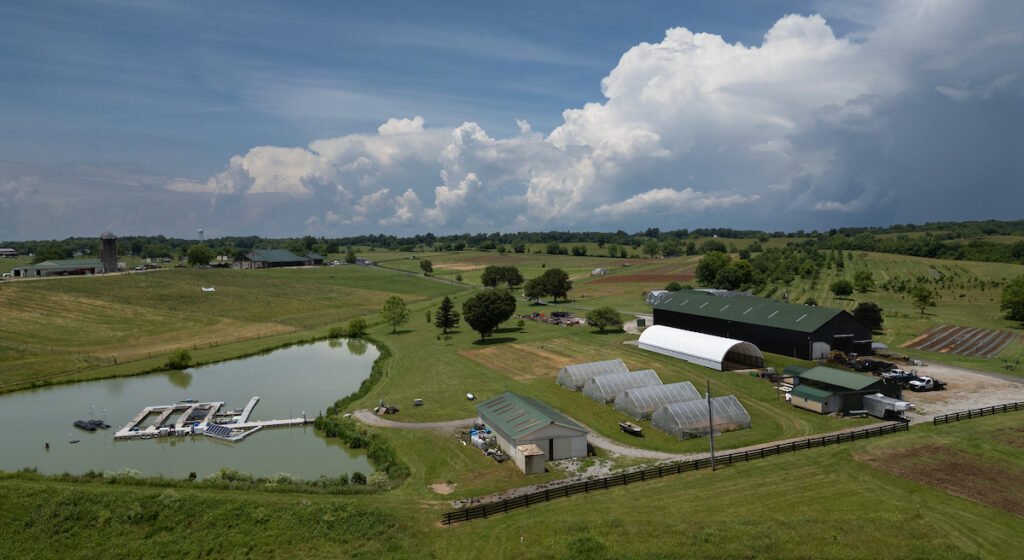
The 2026 Shrimp Farming Symposium (SFS), hosted by Kentucky State University (KSU) on April 10–11, brought together international experts, researchers, and producers to analyze the current status and future of the industry, with a particular emphasis on medium and large-scale commercial indoor production systems.
The event fostered a collaborative dialogue addressing the sector’s main challenges in the United States, such as the consistent availability of postlarvae (PL), elevated operating and energy costs, and preventative disease management. Key solutions were explored through nutritional innovations utilizing sustainable ingredients, direct marketing strategies for local markets, and cutting-edge technologies designed to optimize production and biosecurity. A summary of the presentations is provided below, and the speakers’ video recordings are available for further review.
At the opening in Frankfort, Kentucky, Dr. Andrew Ray, Director of KSU’s School of Aquaculture and Aquatic Sciences, welcomed attendees to this international gathering, establishing the working agenda and reaffirming the university’s role as an epicenter for research, education, and practical support for the global aquaculture industry.
- 1 Key Takeaways from the 2026 Symposium
- 2 Shrimp Production in Cold Climates: The Black Iris Farms Model
- 3 Genetics and Biofloc in Shrimp Production
- 4 Trends in Shrimp Aquaculture: Efficiency and Regenerative Models
- 5 Challenges and Advancements in Disease Control
- 6 Challenges of Inland Shrimp Farming: The Faul Family Riverside Farm Experience
- 7 Technical Feasibility and Challenges of Shrimp Postlarvae Hatcheries
- 8 Technological Transition and Consumer Perception: KSU’s Vision for the Shrimp Market
- 9 The Future of Shrimp Nutrition: Biotechnological Innovation and Precision Feeding
- 10 Disruptive Technological Innovations for RAS and Artificial Intelligence
-
11
Hatchery Challenges and Triumphs: Resilience and Genetics in U.S. Shrimp Farming
- 11.1 Agricultural Conversion: From Dairy Farming to Shrimp Aquaculture
- 11.2 Empirical Learning and Larval Management Optimization
- 11.3 Developing a Native Genetic Program from Scratch
- 11.4 Prolonged Water Maturation and “Green Water” Management
- 11.5 Economies of Scale and Financial Viability in the U.S. Market
- 12 Sustainable Shrimp Diets: Innovation with Microalgae and Pre-Consumer Food Waste
-
13
Key Strategies for Shrimp Marketing, Processing, and Sales
- 13.1 Direct Sales and the Value of the Producer’s Narrative
- 13.2 The Impact of Gastronomic Demonstrations and Education
- 13.3 Wholesale Channels and Supply Chain Transparency
- 13.4 Local Alliances and Synergies with CSA Programs
- 13.5 Strict Food Safety and Quality Control
- 13.6 Financial Viability and Quality of Life Balance
- 14 Conclusion: Toward a Precise, Sustainable, and Technified Shrimp Aquaculture
- 15 Entradas relacionadas:
Key Takeaways from the 2026 Symposium
- Corporate Rigor vs. Extreme Weather: The success of indoor shrimp farming in cold, landlocked regions (such as Michigan or Minnesota) relies on managing farms with the same financial rigor as a high-level corporation, avoiding the underestimation of initial capital expenditure (Capex), and overcoming the “pilot trap.”
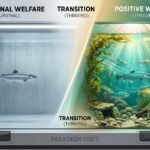
- Transition Toward “Clear Water”: Cutting-edge research from KSU marks a clear evolution from complex biofloc systems toward clear-water models. These new designs drastically reduce the incidence of Vibrio bacteria and optimize overall water quality.
- Biofloc Decoupling: To mitigate critical parasitic and bacterial diseases such as EHP, separating biofloc treatment from the main culture tank is proposed. This prevents lethal oxygen drops during power failures and allows sludge to be recycled as a feed ingredient.
- The Oral RNA Vaccine Revolution: Passive prevention is no longer sufficient against evolving pathogens. The pioneering development of direct therapies using RNA molecules delivered via modified (non-replicating) viruses paves the way for the first oral vaccines in global aquaculture.
- Marine-Ingredient-Free Nutrition: With global shrimp production at 5.5 million tons, the use of fishmeal is economically unviable. The future of commercial diets depends on a diversified matrix including insect meal (black soldier fly), microbial biomass, microalgae, and hemp meal.
- Logistics and Postlarvae (PL) Sovereignty: The greatest structural challenge for mid-sized producers in landlocked regions is the lack of a consistent and reliable supply of local postlarvae. Breaking this dependency is vital to securing uninterrupted wholesale contracts with the restaurant sector.
- Local Narrative vs. Imports: Inland shrimp farming should not attempt to compete with the volume of mass imports. The key to financial profitability lies in dominating local niches, actively promoting sustainability attributes, extreme freshness, and the value of being a U.S.-grown product.
Shrimp Production in Cold Climates: The Black Iris Farms Model
During the 2026 Shrimp Farming Symposium (SFS), Khalid Al Naif, a former Wall Street banker and current operator of Black Iris Farms, delivered the keynote address titled “Commercial-Scale Sustainable Shrimp Farm in a Cold Climate.” In his presentation, he addressed the technical challenges and advancements behind his successful commercial cold-climate shrimp farm located in Ann Arbor, Michigan. Developed after nearly a decade of scientific collaboration with Kentucky State University (KSU), this facility represents an industrial-scale infrastructure model in a landlocked area. Al Naif, combining his financial insight with aquaculture, emphasized that the sector’s success relies on managing farms with the same rigor as any high-level corporation.
The expert analyzed what he termed the “graveyard of U.S. shrimp farms,” pointing out that the most common failures stem from underestimating initial capital expenditure (Capex) and falling into the “pilot trap,” where facilities are built for testing but lack the architectural design necessary to scale production. On the technical side, Al Naif warned that humidity and corrosion are the greatest enemies of these indoor systems. He underscored the critical need to use specialized equipment and strictly food-grade materials—such as fiberglass tanks with special gel coatings—to prevent common plastics from leaching toxins into the warm saltwater.

Looking ahead to the next five years, Al Naif projected a profound technological transformation in the industry, driven by three pillars:
- Artificial Intelligence and Fluid Dynamics: Integration of AI for advanced technical support and the scientific optimization of water flow.
- Feed Innovation: Transition toward insect- and microbial-based diets to reduce costs, combined with on-site machinery to adjust pellet size in real time.
- Traceability via Blockchain: Implementation of “digital passports” that certify the origin and exact harvest date, protecting the market from the opacity of mass imports.
“Traceability and digital passports will be a game changer. They will ensure consumers know exactly what they are buying, granting a major competitive advantage to local producers,” Al Naif concluded.
Genetics and Biofloc in Shrimp Production
For his part, expert Craig Browdy, representing SyAqua, presented revolutionary advancements in genetics and biofloc systems for shrimp farming. The company—acquired in 2022 by the venture capital fund Oceans 14, which invests in sustainable technologies aligned with the UN Sustainable Development Goal (SDG) 14 for Life Below Water—seeks to transform aquaculture with a robust focus on sustainability. Browdy’s presentation highlighted three fundamental pillars to ensure the sector’s commercial profitability:
Genetic Selection Focused on Resilience and Consistency
Browdy emphasized that profitability does not depend solely on the shrimp’s growth rate, but on achieving consistent and resilient production. Using advanced quantitative genomic selection tools, SyAqua evaluates shrimp families to balance rapid growth with high survival against stressors and diseases. Furthermore, the acquisition of Primo Broodstock in 2024 allowed the company to significantly expand its genetic diversity, consolidating much more robust animal lines.
Mantente siempre informado
Stay Informed
Únete a nuestras comunidades para recibir al instante las noticias, informes y análisis más importantes del sector acuícola.
Join our communities to get instant access to the most important news, reports, and analysis from the aquaculture industry.
Optimization and Rigorous Management of Biofloc Systems
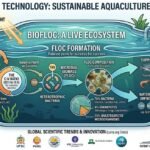
The use of biofloc systems provides substantial benefits, such as improving water quality, accelerating shrimp growth, and strengthening their immune systems. By maintaining a complex microbial community, biofloc successfully competes against opportunistic pathogens, drastically reducing levels of harmful bacteria like Vibrio. However, the expert warned that biofloc success demands strict technical management based on three pillars:
- High-Quality Feeding: Feed is the engine of the microbial community. A nutritionally complete diet with high levels of digestible protein and continuous feeding strategies is required.
- Density Control (Cropping): Because biofloc microorganisms can consume up to 80% of the system’s oxygen, it is vital to “crop” or reduce their density. Presented research demonstrated that proper control of microbial biomass generates a 28% increase in shrimp growth and a 26% reduction in the Feed Conversion Ratio (FCR).
- Chemical and Physical Management: Constant nitrification depletes alkalinity, so producers must regularly add bicarbonate, in addition to ensuring continuous mixing and aeration to prevent lethal organic matter accumulation.
Hatcheries and Inland Production Facilities
Seed quality is a determining factor. Therefore, modern hatcheries rely on extreme biosecurity programs, sub-micron filtration systems, advanced liquid diets, and new Artificial Intelligence image analysis technologies to guarantee accurate larval counts and quality. Finally, the integration of these biofloc and biosecurity technologies has reduced water use by nearly 80% in broodstock production facilities. This demonstrates that all stages of aquaculture production can be consistently executed in closed, highly biosecure inland systems, entirely away from the ocean.
Trends in Shrimp Aquaculture: Efficiency and Regenerative Models
George Chamberlain, President of the Center for Responsible Seafood, presented the leading global trends, challenges, and solutions in shrimp aquaculture. His presentation underscored the urgent need to transition toward significantly more efficient and environmentally integrated production practices. The core insights of his presentation are structured around the following pillars:
Sustainable Intensification and External Challenges
Production giants like Ecuador—with sustained growth of 14%—India, and China lead the global market. However, the current trend focuses on intensifying existing ponds rather than expanding the agricultural footprint. This phenomenon has generated negative externalities, such as an increased incidence of diseases, high water and energy consumption, and the contamination of shared aquifers.
The Rise of Regenerative Aquaculture
U.S. and European markets currently demand moving beyond traditional sustainability to adopt a regenerative model, which actively aims to improve ecosystems and strengthen local communities. As successful examples, Chamberlain highlighted farms in Madagascar that provide medical clinics and clean water to their workers, and projects in Guatemala focused on migratory turtle protection and mangrove reforestation.
Decoupling Biofloc Systems
Sludge accumulation at the bottom of ponds is a primary cause of parasitic and bacterial diseases, such as Hepatopancreatic Microsporidiosis (EHP). To mitigate this risk, the use of biofloc systems is proposed, but with an innovative approach: decoupling the biofloc treatment from the main culture pond. This strategy prevents critical drops in oxygen levels that could compromise the harvest during power failures, and allows sludge recovery for reincorporation as a feed ingredient.
Self-Cleaning Ponds and Energy Efficiency
Shrimp farming records higher energy consumption than other species because traditional ponds lack self-cleaning systems. The technical solution lies in designing self-cleaning infrastructure through Computational Fluid Dynamics (CFD). Furthermore, separating machinery functions so they operate independently for aeration and water circulation drastically optimizes overall energy expenditure.
Digitalization and Precision Automated Monitoring
Digital transformation is redefining the operational management of shrimp farms. Currently, it is viable to utilize automatic feeders managed via mobile devices, continuous-flow postlarvae counters, and centralized platforms that allow remote monitoring of hundreds of tanks. Furthermore, computer vision tools are being integrated to detect early signs of stress in crustaceans through the chromatic analysis of their appendages. In conclusion, the specialist stated that although the industry faces complex challenges due to its accelerated intensification, the convergence of smart design and cutting-edge technology will mitigate these impacts, facilitating the replication of these successful models in strategic regions like the United States.
Challenges and Advancements in Disease Control
Dr. Arun Dhar, Director of the Aquaculture Pathology Laboratory at the University of Arizona, warned of the continuous evolution of pathogens and presented innovative solutions to mitigate shrimp diseases, which remain one of the greatest challenges for global shrimp production. The main theses presented by Dr. Dhar are detailed below:
Comprehensive and Interdisciplinary Diagnostics
Dhar emphasized that relying solely on isolated molecular tests—such as Polymerase Chain Reaction (PCR)—is no longer sufficient for an accurate diagnosis. Because pathogens constantly develop new strains or genotypes that evade existing commercial protocols, it is now indispensable to combine cutting-edge molecular tools with visual histopathology analysis.
The Latent Danger of Co-infections
Research from his laboratory revealed a paradigm shift in understanding crustacean mortality. Scientists discovered that certain viruses, such as the novel pathogen named PVS, may not be lethal on their own; however, by colonizing the hepatopancreas and combining with other viruses like IMNV (which attacks muscle tissue), they leave the animal severely immunocompromised, causing massive mortalities.
RNA Therapies and Next-Generation Vaccines
Given the rapid global expansion of the industry, passive prevention is no longer sufficient; the future demands the development of direct treatments. Dr. Dhar’s team has achieved significant advancements, recently published, by delivering therapeutic RNA molecules using a modified shrimp virus that lacks replication capacity. This biotechnology paves the way for the pioneering development of oral vaccines in aquaculture.
Rigorous Certification of Broodstock and Feed
The success of Specific Pathogen-Free (SPF) programs depends on ensuring that broodstock are biologically clean through combined molecular and pathological evaluations. Furthermore, the laboratory has developed new molecular biology techniques to certify the safety of formulated feeds, successfully differentiating whether they contain harmless fragments of genetic material (DNA/RNA) or live, infective pathogens.
The conference concluded with a firm reminder for the sector: the evolution of microorganisms in culture systems is ceaseless, making rigorous epidemiological surveillance and timely technological adoption the only mechanisms to guarantee the sustainability of global shrimp farming.
Challenges of Inland Shrimp Farming: The Faul Family Riverside Farm Experience
Andre Faul, co-owner of Faul Family Riverside Farm in Henry County, Kentucky, shared his experience operating a mid-scale shrimp farm in a landlocked state. His presentation demonstrated how aquaculture can be successfully integrated as a local business model, while warning about the logistical and technical challenges that small-scale producers currently face. The core insights of his presentation are structured around the following points:
Integration into a Diversified Farming Model
Shrimp production functions as a complementary revenue stream within their operational framework, which also includes pasture-raised chickens, pigs, turkeys, and cattle. This approach is consolidated under a pasture-based regenerative agriculture model.
Infrastructure and Operational Start
The farm began experimenting with shrimp aquaculture in 2018. To scale production, a metal Quonset hut structure with optimized thermal insulation was built, currently recording a production of 1,500 to 2,000 pounds of shrimp per year.
Key Institutional Partnerships
Faul highlighted that close collaboration with Kentucky State University (KSU) has been a fundamental pillar of their success. This alliance provided them with initial technical support in postlarvae (PL) supply and early development, commercial data collection, and advanced water quality analysis.
Advantages of Direct Sales and Local Trade
Producing shrimp in a landlocked region like Kentucky generates high media interest and serves as an effective commercial hook to connect with restaurants and final consumers. Faul markets almost his entire production directly through local farmers’ markets, home deliveries, and Community Supported Agriculture (CSA), integrating the fresh seafood offering with his traditional meat products.
Technical Challenges: Biofloc Dynamics and Climate
The producer noted that his hybrid biofloc system presents limitations under high densities, as excess biological flocs increase water viscosity and affect crustacean growth. This has forced them to modify and expand their settling tanks. Furthermore, low winter temperatures delay the biological cycle by several weeks and substantially increase the costs of electricity and wood pellets used to heat the water.
The Postlarvae (PL) Supply Crisis
Faul warned that the greatest structural challenge for the local industry is the lack of a consistent and reliable supply of postlarvae. This instability prevents guaranteeing a regular supply throughout the year, which is the main cause of losing wholesale contracts with the restaurant sector, where chefs demand uninterrupted availability.
Faul’s presentation concluded with a call to industry stakeholders to work together to resolve these supply issues, an indispensable step for small-scale producers to continue providing fresh, sustainable seafood to their communities.
Technical Feasibility and Challenges of Shrimp Postlarvae Hatcheries
Robins McIntosh, CEO of Homegrown Shrimp USA and Vice President of CP Foods, shared his extensive experience in the design and operation of inland shrimp hatcheries. His presentation contrasted advanced technical and biosecurity achievements with the harsh economic and labor realities that limit the expansion of this sector in the U.S. market. The main insights highlighted in his presentation are structured below:
The Economic Challenge of Low Commercial Demand
McIntosh explained that the primary obstacle in the U.S. is not technical, but commercial. Low domestic demand for postlarvae (PL) makes it difficult for a hatchery to reach a financial break-even point. This reality forced Homegrown Shrimp to suspend its continuous hatchery operations and opt for importing genetics from Thailand, as the volume of local and European sales did not justify the high operating costs.
From Uncertainty to Predictive Science
Unlike the 1980s, when larval rearing was managed under empirical schemes, today it is established as a strictly controlled science. Success relies on three pillars: utilizing ultra-high-quality water (with parameters similar to a coral reef), maintaining stable tropical temperatures (ideally above 30°C), and applying extreme cleaning protocols to prevent biofilm formation, where opportunistic pathogens like Vibrio often harbor.
Innovation in Inland Water Recirculation
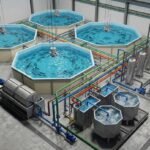
When operating far from the ocean, it is essential to formulate artificial seawater using only essential elements to minimize costs. To optimize this resource, McIntosh designed a complex Recirculating Aquaculture System (RAS) that recycles water using anaerobic reactors, biological filtration with macroalgae, chlorination, protein skimmers, and nano-oxygenation, maintaining water quality without the need for constant exchanges.
Automation as a Response to the Labor Gap
A hatchery requires uninterrupted attention 365 days a year. Unlike Asia, where 24-hour operational staff is common, the U.S. labor market operates under limited fixed shifts. To overcome this constraint, highly efficient automated systems were implemented, such as industrial phytoplankton (algae) reactors and mechanized belt feeders, significantly reducing dependency on continuous labor.
The Competitive Advantage: Accelerated-Growth Genetics
While traditional farms in Asia face losses from multiple diseases, controlled indoor systems in the U.S. and Europe operate free of serious primary pathogens. This allows McIntosh to focus his genetic program 100% on accelerated growth, without diluting efforts on selecting disease-tolerant lines. In clean, stress-free environments, these high-performance animals achieve survival rates between 85% and 90%.
The presentation concluded by emphasizing that due to high infrastructure and operating costs in western regions, the only path to guarantee profitability for producers is through the use of postlarvae with an impeccable health status and genetically designed for rapid growth.
Technological Transition and Consumer Perception: KSU’s Vision for the Shrimp Market
During his presentation at the 2026 Shrimp Farming Symposium, Dr. Andrew Ray introduced the latest advancements from Kentucky State University’s (KSU) aquaculture research program. His address covered the technological transition in water management and revealed crucial findings regarding how U.S. consumers perceive shrimp grown in closed systems. The core insights from his presentation are structured below:
Evolution Toward “Clear Water” Systems
KSU’s research has evolved from complex biofloc systems to hybrid models, and most recently, toward clear-water systems. University studies demonstrated that clear-water models optimize water resource quality and significantly reduce Vibrio bacteria rates, thereby lowering infection risks compared to traditional biofloc systems.
Extreme Filtration and Safe Disinfection
To maintain optimal water clarity, the new facilities incorporate an intensive filtration scheme that includes drum filters, foam fractionators, ozone, and ultraviolet (UV) light. Innovatively, the design applies UV radiation immediately after ozone injection to destroy residual gas, protecting the shrimp and the biofilter from its extreme residual toxicity.
Space Optimization Through 3D Substrates
Because clear-water technology demands higher operating expenditure, financial viability requires maximizing culture density per tank. To achieve this, horizontal 3D substrates are being implemented to increase the useful living surface area. As an added benefit, beneficial bacteria colonize these structures and contribute to the system’s biofiltration, reducing the need for large-volume external filters.
Innovation in Saltwater Aquaponics
KSU’s program is successfully integrating plant production into the shrimp cycle. Research reveals that species such as kale (Brassica oleracea var. sabellica) develop optimally in saline environments of up to 20 parts per thousand (ppt). Furthermore, taste panels indicated that consumers highly value the natural saline nuance the leaves acquire.
The Consumer Perception Challenge
An extensive market study conducted with over 1,600 consumers across all 50 U.S. states revealed a strong preference for wild-caught seafood over farmed varieties, as well as a higher acceptance of outdoor farms compared to indoor facilities. Much of the public associates indoor production with industrialized schemes, expressing unfounded concerns regarding chemical additives, a lack of naturalness, and alleged changes in flavor.
Marketing Strategies and Sector Education
Despite initial skepticism, KSU data demonstrated that consumers favorably modify their purchasing intent when provided with transparent information. The primary commercial arguments that producers must actively promote are the environmental sustainability of indoor shrimp, its local origin, and the value of being a U.S.-grown product.
The presentation concluded by affirming that the sector’s future depends as much on the technical optimization of density in clean water as on strategic investment in educational campaigns to transform the final consumer’s perception of food raised in highly biosecure closed systems.
The Future of Shrimp Nutrition: Biotechnological Innovation and Precision Feeding
Dr. Waldemar Rossi, an aquatic animal nutrition specialist at Kentucky State University (KSU), analyzed the critical evolution in aquaculture diet formulation. His presentation outlined how the industry must overcome its dependence on traditional marine inputs to adopt innovative ingredients and highly efficient feeding technologies. The main theses highlighted in his address are structured below:
The Transition Toward Fishmeal Replacement
With global shrimp production reaching 5.5 million tons in 2024, the intensive use of fishmeal and fish oil has become an economically unviable resource. Supplying global feed demand under traditional schemes would require approximately 70% of global fishmeal production. In response, the industry has strategically reduced inclusion levels of this input to an average of 15% to 17%.
A Diversified Matrix of Alternative Ingredients
To formulate cost-effective diets and mitigate supply chain volatility, the current aquaculture sector relies on a diversified basket of raw materials. Key innovations include insect meal—specifically from the black soldier fly—microbial biomass derived from yeasts and bacteria, microalgae, and various byproducts from the circular economy.
Formulation Complexity and Palatability Factors
Dr. Rossi warned that no single ingredient can completely replace the nutritional profile and high palatability of fishmeal. Alternative inputs, particularly those of plant origin, often lack certain essential amino acids, exhibit lower digestibility, or contain antinutritional factors. This demands the execution of meticulous in vivo digestibility trials and the incorporation of flavor enhancers in commercial diets.
Extrusion and Precision Acoustic Monitoring
On the technological front, the adoption of extrusion processing has optimized the manufacturing of hydrostable pellets that maintain their physical integrity in water for hours. Furthermore, the specialist highlighted the use of hydrophones as an acoustic technology tool to monitor shrimp consumption in real time. This innovation drastically reduces feed waste, optimizes the Feed Conversion Ratio (FCR), and functions as an early indicator of stress or pathogens in the ponds.
Advancements in KSU’s Research Agenda
The laboratory led by Dr. Rossi is at the forefront of evaluating emerging inputs. Their most recent research revealed that hemp meal proteins possess a digestibility exceeding 85% to 90% in crustaceans. Additionally, through an interuniversity alliance, they developed a liquid hydrolysate from catfish processing co-products. Biological trials demonstrated that this hydrolysate acts as a highly effective chemoattractant, accelerating feed intake and adding high commercial value to a previously underutilized resource.
The presentation concluded by demonstrating that the convergence of fishmeal-free, plant-based diets, modern manufacturing processes, and precision acoustic systems already allows for accelerated growth rates and survival exceeding 90% in experimental environments.
Disruptive Technological Innovations for RAS and Artificial Intelligence
During the 2026 Shrimp Farming Symposium, Bert Wecker, CTO of the German company Ocean Loop, presented the latest advancements in Recirculating Aquaculture Systems (RAS) for land-based shrimp production. His presentation demonstrated how advanced engineering, computer vision, and Artificial Intelligence (AI) are redefining the limits of culture density, monitoring, and efficiency in clear-water aquaculture. The main innovations highlighted in his address are structured below:
High Water-Efficiency Raceway Design
Unlike traditional circular tanks, Ocean Loop implements raceway systems operating via laminar flow. This engineering configuration prevents water pressure loss, eliminates complex piping networks, and significantly optimizes energy consumption while operating with an extremely low water exchange rate of just 0.5% daily using exclusively artificial seawater.
Three-Dimensional Structures and Mobile Baffles
Because shrimp are benthic organisms requiring available surface area rather than just water volume, the company developed 3D shelving structures called “mangroves” to maximize vertical space. The system incorporates mobile baffles that allow the cohabitation of batches at different stages within the same raceway, guaranteeing a constant biomass load and enabling up to 12 harvests per year.
Computer Vision for Biomass and Stress Estimation
Manual population counting is unfeasible due to density and cannibalistic behavior. To resolve this, they implemented camera systems and infrared frames that identify and quantify individuals per square meter. This technology analyzes vertical traffic to estimate 3D biomass and can detect early visual signs of stress, such as erythrocytic (red) coloration in the shrimp’s uropod and telson (tail).
Predictive Modeling via Neural Networks
The facility collects massive volumes of daily data, including water ionic composition and bacterial microbiome diversity. Using AI and neural networks, the system identifies complex patterns between water quality variables and Key Performance Indicators (KPIs), facilitating real-time predictive adjustments rather than post-harvest evaluations.
Low-Cost, High-Precision Feeding Sensors
To monitor automated 24-hour feeding in fast-growing species, they designed a low-cost device based on smartphone technology. They utilize a tilt sensor that measures water velocity and acceleration, accurately identifying peak feeding activity or alerting to stress events by automatically interrupting feed supply if required.
Wecker’s presentation demonstrated that the convergence of smart spatial design, accessible sensors, and advanced algorithms is setting the standard for the profitability and scalability of indoor farms globally.
Hatchery Challenges and Triumphs: Resilience and Genetics in U.S. Shrimp Farming
During their joint panel at the 2026 Shrimp Farming Symposium, Paul Damhof (from Minnesota Shrimp) and Jim Collins (from Infinity) shared their experiences, from very different perspectives, on constructing and operating mid-scale shrimp hatcheries within the United States. Both leaders highlighted how innovation, trial-and-error, and a rigorous focus on local genetics are fundamental to mitigating the sector’s economic challenges. The main theses presented in their joint address are structured below:
Agricultural Conversion: From Dairy Farming to Shrimp Aquaculture
Paul Damhof recounted how his family transformed a former high-tech dairy farm into a shrimp production facility adapted to Minnesota’s freezing climate. The decision to implement their own hatchery arose as an operational necessity: the company consistently suffered from low availability, inconsistent sizes, and delivery delays of postlarvae (PL) from external suppliers—factors that critically impacted their cash flow.
Empirical Learning and Larval Management Optimization
Damhof warned that most online information regarding shrimp larval rearing lacks applicability or is incorrect for modern closed systems. Operating their hatchery demands rigorous management encompassing photoperiod control to induce spawning, continuous 24-hour feeding, and the axenic (sterile) culture of microalgae. Thanks to these technical adjustments, they currently succeed in producing postlarvae at the PL12 stage in a period of just 17 to 18 days.
Developing a Native Genetic Program from Scratch
Jim Collins, backed by his prior experience in Asian aquaculture corporations, returned to the United States to found Infinity with the purpose of strengthening local producers. Unlike firms that acquire pre-existing commercial lines, Collins conducted expeditions in Mexico and Peru to collect wild specimens and structure his own genomic-origin genetic panel. His central objective is to select families with high growth rates that adapt optimally to the constraints of closed recirculating systems.
Prolonged Water Maturation and “Green Water” Management
In his 4-acre infrastructure located in Florida, Collins has successfully reused the same water resource for approximately eight years. Instead of implementing purely heterotrophic (biofloc) systems, Infinity opts to maintain a “green water” ecosystem, co-culturing five selected microalgae species directly in the production tanks. This biological dynamic facilitates carbon dioxide assimilation and naturally stabilizes water pH.
Economies of Scale and Financial Viability in the U.S. Market
Both specialists agreed that the absence of a consolidated domestic market restricts the profitability of independent hatcheries in the country. To guarantee operational sustainability and support industry growth, Collins noted that his company has eliminated minimum purchase volume requirements for small-scale producers, complementing this strategy with a tiered pricing structure that sets an estimated baseline of 30 dollars per 1,000 PL.
The session concluded by demonstrating that although mid-scale postlarvae production requires navigating high operating costs and a steep technical learning curve, the commitment of these producers is vital to guaranteeing food sovereignty and supply for shrimp farmers in the United States.
Sustainable Shrimp Diets: Innovation with Microalgae and Pre-Consumer Food Waste
Within the framework of the 2026 Shrimp Farming Symposium, Naomi Agboli, an aquaculture nutrition researcher at Kentucky State University (KSU), presented the results of a study focused on finding alternative and sustainable protein sources for Pacific white shrimp (Litopenaeus vannamei). Her research, conducted in collaboration with Texas A&M University, evaluated the viability of incorporating algae and pre-consumer airline food waste into aquaculture diets. The main theses highlighted in her presentation are structured below:
The Urgency of Developing Sustainable Protein Alternatives
With global shrimp production exceeding 5 million tons, the industry maintains a heavy reliance on fishmeal, which creates sustainability strains by competing directly with human consumption. Although soybean meal is the primary substitute, markets like the United States depend on its import, making it imperative to search for new locally sourced ingredients.
Innovative Ingredients Under Biological Evaluation
To reduce the footprint of soybean and marine inputs, the study evaluated the use of algal biomass—which possesses a promising 37.3% crude protein content—and pre-consumer vegetable byproducts, such as peels and stalks discarded during airline catering preparation.
In Vivo Digestibility Trials
A trial was executed in Recirculating Aquaculture Systems (RAS) to collect crustacean feces and quantify nutrient absorption. Results demonstrated that soybean meal recorded the highest overall digestibility. Meanwhile, the algae exhibited high protein digestibility but low lipid utilization, likely due to the rigidity of their cell walls. In contrast, fruit and vegetable waste showed significantly low digestibility.
Productive Performance and Growth Rates
Despite digestibility limitations, the growth trial demonstrated that diets enriched with algae achieved the best performance in final weight, biomass gain, feed efficiency (lower Feed Conversion Ratio or FCR), and survival. Conversely, regimens based on vegetable waste yielded the lowest survival rates.
Conclusions and Recommendations for the Industry
Agboli concluded that both algae and soybeans provide highly digestible proteins. She recommended including these alternative ingredients in moderate proportions in commercial feed (around 10%) and suggested that fruit and vegetable waste will require prior technological processing to become viable. Finally, she indicated that the growth trial will be replicated due to a low overall survival rate recorded in the system during the study.
Key Strategies for Shrimp Marketing, Processing, and Sales
Finally, Angela Caporelli, representing the Kentucky Department of Agriculture (KDA), addressed her presentation to small and mid-scale producers to tackle one of aquaculture’s greatest challenges: marketing. Caporelli emphasized that technical success in shrimp farming loses its commercial value if producers fail to position their product efficiently and profitably in the market. The main guidelines and strategies highlighted in her address include:
Direct Sales and the Value of the Producer’s Narrative
To bypass strict regulations and thin margins of the wholesale channel, Caporelli recommended direct-to-consumer sales through farmers’ markets. This model allows aquaculturists to share the narrative of their sustainable rearing practices, justifying a premium price. Operationally, she suggested that producers who lack an affinity for customer service should delegate sales to more charismatic team members to ensure commercial success.
The Impact of Gastronomic Demonstrations and Education
Bringing the product directly to the consumer’s palate is a vital strategy. Live cooking demonstrations and activations at points of sale exponentially multiply sales volume and sustain long-term demand growth. Furthermore, educating clients by distributing recipe cards—such as guides for making broths from shrimp heads—adds value to the whole product and builds brand loyalty.
Wholesale Channels and Supply Chain Transparency
Stepping into the wholesale or restaurant segment means accepting lower prices in exchange for larger inventory volume, alongside complying with strict size grading and packaging standards. At this level, transparent communication is non-negotiable: if a producer cannot fulfill an order, they must honestly notify the chef or distributor and even reference another farmer to preserve trust.
Local Alliances and Synergies with CSA Programs
Caporelli urged producers to capitalize on state marketing programs, such as Kentucky Proud, which provide funding and financially reward restaurants that source local ingredients. Similarly, she suggested integrating shrimp into Community Supported Agriculture (CSA) programs, establishing alliances with vegetable or livestock producers to offer aquaculture protein as a high-value add-on.
Strict Food Safety and Quality Control
All seafood processing in the United States—except catfish—is regulated by the FDA and requires facilities certified under Hazard Analysis Critical Control Point (HACCP) plans. To safeguard the farm’s reputation in direct sales, the producer must take responsibility for the cold chain, providing ice and thermal bags to ensure the shrimp reaches the customer’s home in optimal biological condition.
Financial Viability and Quality of Life Balance
Finally, the specialist warned producers about the risks of unchecked expansion. Scaling facilities, hiring additional staff, and acquiring distribution fleets may increase apparent profitability, but one must evaluate whether that level of operational stress compromises the producer’s quality of life and family well-being.
Caporelli’s presentation concluded by reminding the industry that the goal should not be to compete directly with mass import volumes, but to identify and dominate local niche markets where fresh, carefully raised shrimp is highly valued.
Conclusion: Toward a Precise, Sustainable, and Technified Shrimp Aquaculture
The event concluded by demonstrating that although shrimp farming in closed ecosystems and cold climates faces complex structural barriers—such as high initial Capital Expenditure (Capex) and sophistication in water resource management—the industry is advancing thanks firmly to scientific and technological integration. The transition toward clear-water Recirculating Aquaculture Systems (RAS) and hybrid biofloc models, in synergy with Artificial Intelligence (AI), computer vision, and precision acoustic feeding, is redefining the operational efficiency and predictability of modern farms.
Specialists made it clear that long-term commercial success will depend on a comprehensive approach based on three fundamental pillars:
- Advanced Genetics: Selection of lines characterized by accelerated growth and high resilience against pathogens.
- Optimized Nutrition: Development of efficient diets that minimize fishmeal dependence through alternative ingredients.
- Strict Epidemiological Surveillance: Rigorous health control utilizing combined molecular biology and histopathology tools.
Finally, capitalizing on the narrative of a fresh, sustainable, local product with an impeccable health status for consumers and the local restaurant sector will be the key strategy for shrimp farmers to transform market perceptions and consolidate the industry’s financial profitability.

Editor at the digital magazine AquaHoy. He holds a degree in Aquaculture Biology from the National University of Santa (UNS) and a Master’s degree in Science and Innovation Management from the Polytechnic University of Valencia, with postgraduate diplomas in Business Innovation and Innovation Management. He possesses extensive experience in the aquaculture and fisheries sector, having led the Fisheries Innovation Unit of the National Program for Innovation in Fisheries and Aquaculture (PNIPA). He has served as a senior consultant in technology watch, an innovation project formulator and advisor, and a lecturer at UNS. He is a member of the Peruvian College of Biologists and was recognized by the World Aquaculture Society (WAS) in 2016 for his contribution to aquaculture.