Parasites are responsible for approximately 75% of diseases in the aquaculture sector, generating annual losses estimated between USD 1.05 billion and USD 9.58 billion globally. To date, the industry has relied on synthetic drugs such as formaldehyde, trichlorfon, and copper sulfate. The issue is that these chemicals not only contaminate the environment but also foster dangerous parasitic resistance, leaving residues in fish that could jeopardize human health.
Key Points
- Sustainable Alternative: Plant derivatives (alkaloids, flavonoids, essential oils) are emerging as effective and eco-friendly substitutes for traditional synthetic chemotherapeutics.
- Proven Efficacy: Recent studies demonstrate that plant extracts such as Zingiber officinale (ginger) and Allium sativum (garlic) can eliminate up to 100% of critical parasites like Ichthyophthirius multifiliis under controlled conditions.
- Mechanisms of Action: These compounds act by altering parasite membrane permeability, inducing oxidative stress (ROS), and depleting energy reserves (ATP), leading to paralysis and death.
- Scalability Challenge: Despite their potential, chemical variability, low water solubility of oils, and a lack of validation in large-scale commercial farms limit mass adoption.
The Green Pharmacy: From Ginger to Nanotechnology
Researchers from the Universidade Federal do Amapá (UNIFAP) and Embrapa Amapá have synthesized advances from the last eight years regarding the use of phytotherapy to combat, specifically, monogeneans (Monopisthocotyla and Polyopisthocotyla)—parasites that attack the gills and skin, causing massive mortalities.
Phytochemical Richness
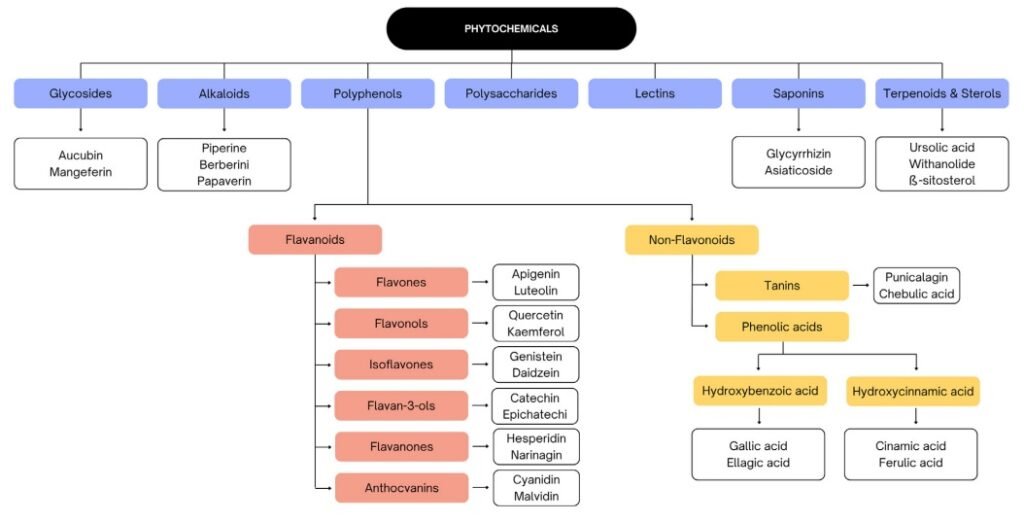
Medicinal plants are natural factories of bioactive compounds. The study highlights several key groups:
- Terpenoids and Phenols: Major components in essential oils that exhibit high toxicity toward parasites.
- Alkaloids and Saponins: Present in crude extracts, they interfere with the invaders’ biological processes.
- Flavonoids: Such as quercetin or catechin, which also bolster the host fish’s immune system.
Extraction Methodology: The Secret is in the Solvent
The research emphasizes that a treatment’s efficacy depends not only on the plant but on how its power is extracted. It has been observed that ethanolic extracts are typically more potent than aqueous ones for immobilizing parasites like Gyrodactylus turnbulli, as ethanol is more efficient at extracting the lipophilic compounds that damage parasite membranes.
Which Plants Work?
Data analysis shows an impressive list of “botanical warriors” with 100% efficacy in in-vitro trials and therapeutic baths:
- Peppermint Oil (Mentha piperita): Highly effective against Piscinoodinium pillulare and Dactylogyrus sp.
- Garlic (Allium sativum): Its extracts immobilize stages of Cryptocaryon irritans and drastically reduce the intensity of Gyrodactylus elegans infections.
- Ginger (Zingiber officinale): The compound 10-gingerol has proven lethal against the dreaded “white spot” (Ichthyophthirius multifiliis).
- Copaiba (Copaifera spp.): Nanoemulsions of its oleoresin have improved anthelmintic efficacy and are better tolerated by fish than pure oil.
| Plant / Compound | Target Parasite | Effective Concentration | Validation Status |
| Thymoquinone | Gyrodactylus kobayashii | 0.75 – 3.0 mg/L | Field validated (100% efficacy) |
| Psoralen | Gyrodactylus kobayashii | 4 mg/L | In vivo (100% efficacy) |
| Piper callosum | Monogeneans in Tambaqui | 600 mg/L (In vitro) / 100 mg/L (Bath) | In vivo (83.6% efficacy) |
How Do Plants Kill Parasites?
Unlike synthetic chemicals that often have a single target, phytotherapeutics attack on multiple fronts, making it difficult for parasites to develop resistance.
- Membrane Disruption: Compounds penetrate the parasite’s cuticle, causing vacuolization and cytoplasm leakage.
- Energy Collapse: The use of curdione (from Curcuma zedoaria) has been documented to reduce ATP levels in the parasite, leaving it without energy to move or breathe.
- Oxidative Stress: They induce the generation of reactive oxygen species (ROS) that damage the invader’s tegumental cells.
- Immunostimulation: Indirectly, many of these extracts activate the fish’s macrophages and lymphocytes, helping it fight the infection on its own.
Limitations and the Promise of Nanotechnology
Despite the optimism, the study does not ignore the challenges. Many essential oils have low water solubility and can be toxic to fish if the dosage is inaccurate, causing gill damage. This is where nanotechnology comes in. The use of nanoscale carriers and the “green synthesis” of silver nanoparticles with Azadirachta indica (Neem) extracts are opening doors for treatments that require much lower doses, have higher bioavailability, and are less stressful for the animals.
Contact
Marcos Tavares-Dias
Empresa Brasileira de Pesquisa Agropecuária (Embrapa)
Embrapa Amapá, Macapá, AP, Brazil
Email: marcos.tavares@embrapa.br
Reference (open access)
Brito, B. D., Marinho, V. H. S., Ferreira, I. M., & Tavares-Dias, M. (2026). Phytotherapeutics for parasite control in global fish aquaculture: a review of anti-monogenean agents and their mechanisms. Aquatic Living Resources, 39, 3. https://doi.org/10.1051/alr/2025021
Stay Always Informed
Join our communities to instantly receive the most important news, reports, and analysis from the aquaculture industry.

Editor at the digital magazine AquaHoy. He holds a degree in Aquaculture Biology from the National University of Santa (UNS) and a Master’s degree in Science and Innovation Management from the Polytechnic University of Valencia, with postgraduate diplomas in Business Innovation and Innovation Management. He possesses extensive experience in the aquaculture and fisheries sector, having led the Fisheries Innovation Unit of the National Program for Innovation in Fisheries and Aquaculture (PNIPA). He has served as a senior consultant in technology watch, an innovation project formulator and advisor, and a lecturer at UNS. He is a member of the Peruvian College of Biologists and was recognized by the World Aquaculture Society (WAS) in 2016 for his contribution to aquaculture.