The African Union Development Agency (AUDA-NEPAD), the World Aquaculture Society, and global partners unite to amplify the voices of women driving the continent’s aquatic food systems.
A Strategic Spotlight on Gender Equity in Aquaculture
As the global community prepares for the United Nations International Year of the Woman Farmer (IYWF 2026), a significant spotlight is being cast on the indispensable contributions of African women within the aquaculture sector. This movement, led by the AUDA-NEPAD and the World Aquaculture Society (African Chapter – WAS-AC), seeks to redefine the narrative of African food systems by centering the women who sustain them.
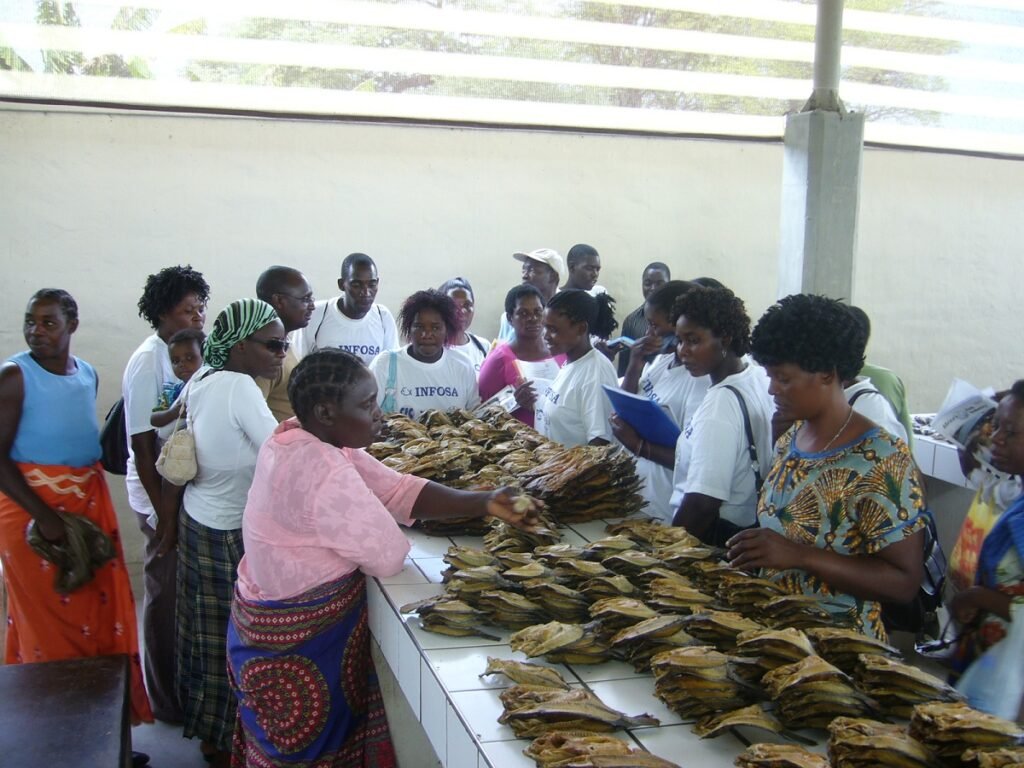
Women are not merely participants; they are the backbone of fisheries and aquaculture value chains across Africa. They fulfill multifaceted roles that span the entire spectrum of the industry, from primary production and harvesting to complex processing, trading, and retail operations. In doing so, they provide the essential foundation for household food security and the stability of local economies.
The Informal Powerhouse of Post-Harvest Systems
Data consistently highlights that women comprise a significant proportion of the workforce, particularly within the post-harvest segments of the value chain. In these roles, their labor is transformative; they add significant value to raw products, drastically reduce post-harvest losses, and ensure the resilience of market systems. Despite this high level of impact, their contributions have historically remained informal and significantly undervalued in economic policy.
According to AUDA-NEPAD, addressing this disparity is not only a matter of social equity but a strategic imperative. Empowering women within these value chains is essential for achieving inclusive economic growth, enhancing continental nutrition, and building resilient aquatic food systems capable of weathering global shocks.
Unlocking Potential Through Equitable Access
The evidence is clear: when women are granted equitable access to resources—such as finance, land, modern technology, and decision-making platforms—the entire sector thrives. Under these conditions, productivity increases, individual incomes rise, and, perhaps most importantly, the benefits are disproportionately reinvested back into families and local communities.
Strengthening the role of women in aquaculture also catalyzes broader continental priorities. By unlocking the full potential of aquatic foods, Africa can accelerate its progress toward sustainable development goals, using its blue economy as a primary driver for prosperity.
Commemorating IYWF 2026: A Roadmap for Action
To ensure the IYWF 2026 is marked by tangible progress, the World Aquaculture Society African Chapter (WAS-AC), in partnership with AUDA-NEPAD and Aquaculture Africa Media (AAM), has launched a dedicated campaign focusing on women in fish farming. This collaboration aims to showcase their crucial roles and advocate for their integration into formal food systems.
The FAO has further supported these efforts by creating a Communications Handbook and Toolkit. This resource serves as a strategic guide for partners to amplify the IYWF 2026 celebrations through impactful, coordinated actions.
Stay Always Informed
Join our communities to instantly receive the most important news, reports, and analysis from the aquaculture industry.
Milestones and Global Engagement
The journey began on March 24, 2026, with a pioneering webinar designed to raise awareness and promote initiatives for enhancing women’s livelihoods. The event was a resounding success, attracting nearly 300 participants from across the globe, with the majority representing the African continent.
The webinar featured a distinguished panel of experts, including:
- Dr. Khalid Salie, President of the WAS-AC.
- Dr. Foluke Areola, President-Elect of WAS.
- Dr. Bernice McLean, Head of the Blue Economy Unit at AUDA-NEPAD.
- Ms. Jennifer Gee, FAO Gender Lead for Fisheries and Aquaculture.
These leaders collectively emphasized the need for impactful actions that support women producers, specifically to combat poverty and improve nutrition.
Champions of the Blue Economy
A highlight of the proceedings was the participation of “women champions” from nations including Egypt, Nigeria, Ghana, Senegal, Kenya, and South Africa. These entrepreneurs shared their transformative journeys, showcasing their aquaculture enterprises and discussing the hurdles they faced while scaling their operations.
The discussions made it apparent that long-term success requires interventions in:
- Access to Credit and Land: Securing the physical and financial capital necessary for growth.
- Education and Training: Providing specialized knowledge in aquaculture management.
- Innovative Technologies: Implementing tools that empower women to increase efficiency.
- Supportive Regulations: Creating an institutional environment that encourages investment and collaboration.
The Path to Tanzania: AFRAQ2026
This webinar is just the beginning of a year-long outreach journey. AUDA-NEPAD and WAS-AC plan to conduct regional sessions and online activities to identify and support women farmers across all African regions.
The year-long commemoration will reach its climax at the Aquaculture Africa 2026 Conference (AFRAQ2026) in Tanzania, scheduled for December 1-4, 2026. This final event will include a Special Side-Event to conclude the celebrations and set the agenda for the future of women in African aquaculture.
For those interested in revisiting the insights shared during the initial session, the webinar recording is available.

Editor at the digital magazine AquaHoy. He holds a degree in Aquaculture Biology from the National University of Santa (UNS) and a Master’s degree in Science and Innovation Management from the Polytechnic University of Valencia, with postgraduate diplomas in Business Innovation and Innovation Management. He possesses extensive experience in the aquaculture and fisheries sector, having led the Fisheries Innovation Unit of the National Program for Innovation in Fisheries and Aquaculture (PNIPA). He has served as a senior consultant in technology watch, an innovation project formulator and advisor, and a lecturer at UNS. He is a member of the Peruvian College of Biologists and was recognized by the World Aquaculture Society (WAS) in 2016 for his contribution to aquaculture.