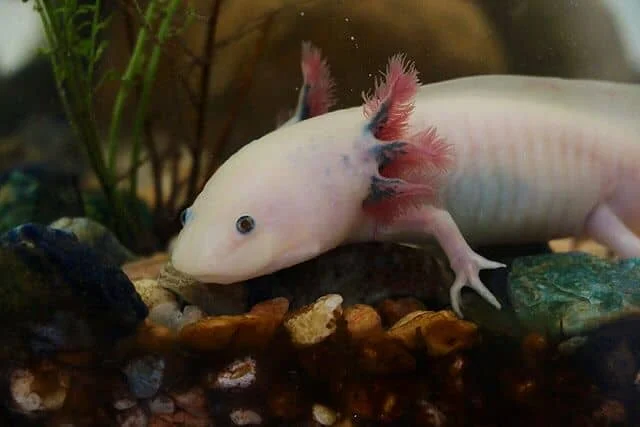
The Tropical Gar (Atractosteus tropicus), also known as the “pejelagarto” or “Pez Gaspar”, represents one of the most captivating links between prehistory and modern aquaculture. Its morphology—evoking the dinosaur era with its lizard-like physiognomy and ichthyological body—has allowed it to transcend mass extinctions thanks to an exceptional biological architecture.
Today, this species goes beyond its role as a culinary pillar in southeastern Mexico (Tabasco and Chiapas), positioning itself as a strategic axis of the Mexican aquaculture industry and a high-value asset in the luxury aquarium trade. This article provides a comprehensive exploration of the Tropical Gar: from its unique slow-evolving genomics to the fundamental regulatory frameworks for responsible commercial exploitation.
- 1 Key Points
- 2 What is the Tropical Gar? Evolutionary History and Taxonomy of a Living Fossil
- 3 Distribution and Ecology of the Tropical Gar (Atractosteus tropicus)
- 4 Biology and Physiology: The Anatomy of a Survivor
- 5 Life cycle of the alligator gar and advances in aquaculture technology
- 6 What does the alligator gar (Atractosteus tropicus) eat? Nutritional Strategies
- 7 Aquaculture and Technical Management of the Tropical Gar: Parameters and Optimization
- 8 Aquarium Hobby: The Tropical Gar as an Exotic Pet
- 9 Gastronomic Importance and Market Acceptance
- 10 Conservation and Threats: Challenges for the Future of the Tropical Gar
- 11 Conclusion: The Tropical Gar as a Bulwark of Biodiversity and Culture
- 12 Frequently Asked Questions (FAQ)
- 13 References
- 14 Entradas relacionadas:
Key Points
- Prehistoric Heritage and Genomic Stability: The Tropical Gar is a “living fossil” belonging to the order Lepisosteiformes, which reached its peak during the Mesozoic era. It possesses one of the slowest recorded genomic evolution rates, maintaining its DNA with minimal changes over the last 100 million years.
- Superior Biological Adaptations: Its anatomy features armor composed of extremely hard ganoid scales coated in ganoine. Additionally, it possesses a vascularized swim bladder that enables atmospheric air breathing—a fundamental evolutionary advantage for survival in hypoxic environments or stagnant waters.
- Reproduction (2025): Current science allows for the identification of molecular biomarkers (dmrt1 and cyp19a1) to determine sex at early stages. Assisted reproduction protocols using hormones such as OVAPRIM-C achieve a fertilization efficiency of 92% and a hatching rate of 98%.
- Nutritional Management and Cannibalism Control: To maximize larval survival, tryptophan supplementation (10 g/kg) is recommended as a cannibalism inhibitor. Furthermore, the inclusion of probiotics such as Lactococcus lactis and Debaryomyces hansenii bolsters the immune system and promotes optimal growth.
- Commercial Value and Sustainable Conservation: Farm-raised Tropical Gar exhibits higher acceptability in flavor and quality than wild-caught specimens, driving demand within Mexican and Central American gastronomy. Its preservation depends on implementing social economy models and strengthening aquaculture to alleviate pressure on natural populations.
What is the Tropical Gar? Evolutionary History and Taxonomy of a Living Fossil
A Prehistoric Lineage of Genomic Stability
The Tropical Gar belongs to the order Lepisosteiformes, a group of bony fish that reached its zenith during the Mesozoic era. Unlike most contemporary vertebrates, this species exhibits one of the slowest recorded rates of genomic evolution in nature. This biological singularity means its DNA has undergone minimal changes over the last 100 million years, establishing these fish as exceptional biological models for comparative evolutionary studies.
Classification and Extinct Heritage
From a taxonomic perspective, the Tropical Gar is integrated into the Lepisosteidae family. Although only seven species survive today—restricted to the American continent—the fossil record documents a far more extensive ancestral radiation. Extinct genera such as Adrianaichthys and Beiduyu evidence that, in the past, these specimens dominated freshwater ecosystems across Europe and Asia, reaffirming their global adaptive success.
Table 01. Detailed Taxonomic Profile.
| Category | Classification |
| Kingdom | Animalia |
| Phylum | Chordata |
| Class | Actinopterygii |
| Order | Lepisosteiformes |
| Family | Lepisosteidae |
| Genus | Atractosteus |
| Species | Atractosteus tropicus |
- Common Names: Tropical Gar, Gaspar, and Pejelagarto.
Distribution and Species Diversity

The Lepisosteidae family currently comprises two genera and seven living species. According to Arias-Rodríguez et al. (2009), the distribution is as follows: five species reside in North America, ranging from southern Canada to northern Mexico (A. spatula, L. oculatus, L. platostomus, L. osseus, L. platyrhincus). Meanwhile, A. tristoechus is endemic to Cuba, whereas the Tropical Gar or Gaspar (Atractosteus tropicus) is the only species distributed from southeastern Mexico to southern Costa Rica.
Distribution and Ecology of the Tropical Gar (Atractosteus tropicus)
The Tropical Gar is a predominantly freshwater organism that occasionally ventures into estuarine ecosystems. Its distribution covers a vast stretch of North and Central America, ranging from southern Quebec to Costa Rica. Scientific consensus identifies seven described species, primarily restricted to the Atlantic Ocean, Gulf of Mexico, and Caribbean Sea drainages.
A study by Del Moral-Flores et al. (2025) documented the first record of the Tropical Gar (Atractosteus tropicus) in the Yucatán Peninsula, specifically in the state of Campeche, expanding knowledge of its regional mobility. Additionally, Quintana (2024) identifies it as a secondary freshwater species in the La Pasión and San Pedro rivers within the Usumacinta basin in Guatemala.
Natural Habitat Characteristics
This species is native to southeastern Mexico (Veracruz, Tabasco, Campeche, and Chiapas) and Central American nations such as Belize, El Salvador, Nicaragua, and Costa Rica. Its ecological niche is defined by the following parameters:
Mantente siempre informado
Stay Informed
Únete a nuestras comunidades para recibir al instante las noticias, informes y análisis más importantes del sector acuícola.
Join our communities to get instant access to the most important news, reports, and analysis from the aquaculture industry.
- Altitude and Camouflage: It is distributed across coastal plains (10 to 50 m a.s.l.). Its cylindrical, grayish-green morphology allows it to mimic a floating log—a highly efficient hunting and survival strategy.
- Water Bodies: It inhabits lentic ecosystems and brackish environments, including wetlands, swamps, backwaters, and shallow lagoons with minimal currents.
- Thermal Dynamics: It prefers warm waters ranging from 28 to 32°C in summer, demonstrating remarkable thermal resilience by tolerating temperatures as low as 18°C in winter.
- Physiological Adaptation (Hypoxia): Its most distinctive trait is its reduced dependence on dissolved oxygen. It possesses a vascularized swim bladder that functions as a primitive lung, enabling atmospheric air breathing. This evolutionary advantage allows it to colonize stagnant or hypoxic waters where other fish species would not survive.
- Chemical Parameters (pH): It thrives optimally in pH levels between 7.0 and 8.0.
- Vegetation and Reproduction: The abundance of aquatic flora is vital. The Tropical Gar utilizes floodplains during the rainy season; adults move to submerged areas for spawning, depositing gelatinous egg masses onto the vegetation.
Biology and Physiology: The Anatomy of a Survivor
The Tropical Gar is renowned for its imposing biometrics, typically exceeding one meter in length with an average weight of 15 kg. However, exceptional male specimens have been documented reaching up to 125 cm and 28.9 kg. Its morphology is defined by an integument of ganoid scales—a natural armor of extreme hardness that provides a formidable defense against predators.
The Ganoid Armor: Evolution and Application
The most distinctive physical feature of this species is its covering of ganoid scales. Unlike the cycloid or ctenoid scales found in other fish, these possess a bony base coated in ganoine, a vitreous substance structurally similar to human tooth enamel.
- Historical Legacy: Indigenous civilizations in southeastern Mexico and Central America utilized these scales as arrowheads, cutting tools, and ornamental elements in defensive attire.
- Contemporary Value: Currently, these structures are processed and polished to create high-resistance artisan jewelry, merging tradition with sustainable fashion.
Air Breathing: An Evolutionary Advantage in Hypoxic Environments
The Tropical Gar is a facultative air-breather. While it primarily utilizes its gills, it possesses a vascularized swim bladder that functions analogously to a lung. This biological specialization allows it to:
- Thrive in wetlands with critical oxygen concentrations (hypoxia).
- Colonize stagnant waters where other ichthyological species would not survive.
- Remain out of the aquatic environment for brief intervals, provided its skin stays moist to prevent desiccation.
Biological Warning: Toxicity of Eggs
It is imperative to note that while the Tropical Gar’s muscle tissue is highly valued in gastronomy, its eggs are lethal for human and mammalian consumption. They contain ichthyotoxins (specifically poisonous proteins)—an evolutionary defense mechanism designed to protect the offspring from aquatic and terrestrial predators.
Life cycle of the alligator gar and advances in aquaculture technology
Reproduction in the Tropical Gar occurs exclusively in freshwater environments. In its natural habitat, the mating period is concentrated between April and early June; however, the development of assisted reproduction protocols has optimized this process under controlled conditions.
Sexual Maturation and Molecular Markers
Reproductive development varies by sex: males reach maturity during their first year (36–42.5 cm), while females begin spawning in their second year (36–48.5 cm), reaching their peak reproductive potential by the third year of life.
A significant advancement reported by Méndez et al. (2025) identifies the dmrt1 and cyp19a1 genes as key molecular biomarkers for adult sex determination. This finding is fundamental for precision aquaculture, given that the species lacks differentiated sex chromosomes and evident external sexual dimorphism during juvenile stages. According to the study, females exhibit high expression of dmrt1 in the gonads, liver, and brain.
Dimorphism and Spawning Dynamics
During the breeding season, dimorphism manifests through a pronounced abdominal bulge and plasticity in females. Reproductive behavior typically involves a large female courted by multiple smaller males.
- Productivity: A female can produce between 8,000 and 12,000 eggs per kilogram of body weight.
- Egg Morphology: Mature oocytes have an average diameter of 3 mm, are greenish in color, highly toxic, and possess adhesive properties that allow them to attach to substrates such as aquatic vegetation or submerged logs.
Hormonal Induction and Hatching Protocols
Artificial reproduction has been successfully achieved through the administration of commercial hormones such as OVAPRIM-C. With a dosage of 0.2 mg/kg in females, a response time of 10 to 12 hours has been observed, reaching fertilization rates of 92% and a hatching efficiency of 98%.
Recent research suggests that maintaining water at a constant temperature of 35°C accelerates embryonic development, with hatching beginning at 35 hours. Under these thermal conditions, a survival rate of 75% up to the first feeding stage has been documented.
What does the alligator gar (Atractosteus tropicus) eat? Nutritional Strategies
The nutrition of the Tropical Gar evolves drastically throughout its ontogeny. In the wild, larvae subsist on zooplankton (cladocerans and copepods), while juveniles transition toward a diet of insects and fish. Adults establish themselves as ichthyophagous and opportunistic scavengers. In culture conditions, precision during the feeding transition is the determining factor for productive success.
Larval Feeding Chronology
The transition from yolk sac to external food is a critical period:
- 72 hours post-hatching: Exogenous feeding begins via the capture of live prey.
- Mixed Phase (120–128 hours): The endogenous stage concludes when 50% of the population shows stomach content, with yolk consumption and live prey intake coexisting.
Supplementation: Prebiotics and Probiotics
Cutting-edge research has validated the use of additives to optimize intestinal health:
- Prebiotics: Maytorena et al. (2022) suggest including mannan-oligosaccharides (MOS) at a dose of 6 g/kg, while Pérez et al. (2022) recommend fructooligosaccharides (FOS) at 7.5 g/kg. De La Cruz-Marín et al. (2023) highlight inulin (2.0%–2.5%) for enhancing digestive enzymes.
- Probiotics: Pérez et al. (2024a) endorse the use of Lactococcus lactis PH3-05 (10⁶ CFU/g) for an optimal balance between growth and health. Furthermore, Pérez et al. (2025b) suggest the yeast Debaryomyces hansenii (10³ CFU/g) to strengthen the immune system.
Diet Optimization and Cannibalism Control
While Artemia maximizes growth, Escalera et al. (2018) propose a cost-efficient mix of Artemia franciscana and the cladoceran Moina macrocopa (2 ind/mL) during the first three weeks.
To mitigate cannibalism—the greatest challenge in larval rearing—Sepúlveda et al. (2024a) demonstrated that tryptophan (Trp) supplementation at a dose of 10 g/kg is an effective tool. Additionally, Jiménez et al. (2025) report that sage essential oil (Salvia officinalis) at 1.66% maximizes weight and reinforces antioxidant capacity.
Feeding Protocol by Stage
To ensure sustained growth, a frequency of 5 to 6 daily rations is recommended under the following scheme:
| Days of Life | Type of Feed | Technical Specifications |
| 1–10 | Live feed | Artemia and water fleas (size 28–45 mm). |
| 11–16 | Transition diet | Mixture of live feed and powdered balanced feed (32–45% protein). |
| 17+ | Artificial feed | Exclusive powdered balanced feed (9% lipids). |
| Pre-fattening | Pellets (1.5–2.5 mm) | 32–45% protein. |
| Grow-out | Pellets (2.5–5.5 mm) | 32–45% protein. |
Digestibility in Juveniles
Regarding the utilization of inputs, Guerrero-Zárate et al. (2024) confirmed through in vitro testing that juveniles possess high digestive efficiency for various sources:
- Lipids: High preference for soy lecithin, cod liver oil, and vegetable oils (olive, corn, and canola).
- Proteins: Fish, crustacean, beef, poultry, and blood meals.
Aquaculture and Technical Management of the Tropical Gar: Parameters and Optimization
Large-sized gar species enjoy high commercial demand; their meat is deeply valued in markets across the southern United States, Mexico, Cuba, and Costa Rica. To meet this demand, specialized centers in Mexico (A. tropicus) and Cuba (A. tristoechus) operate larviculture laboratories dedicated to both pond fattening and distribution within the high-end aquarium trade.
Physicochemical Reference Parameters
Success in rearing strictly depends on the stability of the aquatic environment. The optimal values are detailed below:
| Parameter | Range / Optimal Value |
| Water Temperature | 18–37°C (Ideal average: 28–32°C) |
| Dissolved Oxygen | 3–6 mg/L (Crucial during incubation and larviculture) |
| Potential of Hydrogen (pH) | 7.0–8.0 (Average: 7.5) |
| Water Hardness | 6–16 °d |
| Minimum Volume (Aquarium) | 1,325 Liters |
| Breeding Density | 2:3 Ratio (Males:Females) |
Influence of Abiotic Variables on Development
Research led by Martínez et al. (2021) utilized A. tropicus embryos as a model to determine how temperature, salinity, and air saturation affect development. Key findings include:
- Survival: Extreme temperatures, hypoxic (low oxygen), and hyperoxic conditions reduce viability during incubation.
- Growth: Metabolic acceleration is observed in embryos exposed to high temperatures, higher salinity, and hyperoxia; conversely, hypoxia slows growth.
- Ontogeny: The timing of hatching, yolk consumption, and the transition to exogenous feeding are significantly altered by the thermal regime, a fact supported by Cordova et al. (2022).
Density Management and Ethological Control
Stocking density is a determining factor in productivity. While densities of up to 40 larvae/L have been evaluated with a 95.6% survival rate, Sepúlveda et al. (2024) suggest that superior growth is achieved at a density of 1.4 larvae/L under an optimized feeding regime.
Cannibalism Mitigation
Aggressive behavior is the primary obstacle during the larval phase. Recent studies provide innovative solutions:
- Environmental Chromaticism: Sepúlveda et al. (2023) reported that pink, blue, yellow, and purple backgrounds increase group attacks.
- Shelters: The use of artificial vegetation is significantly more effective than rocks in reducing aggression.
- Supplementation: Using tryptophan (Trp) at a dose of 10 g/kg eliminates aggressive behaviors (Sepúlveda et al., 2024b).
Production and Fattening Phases
- Larviculture: Lasts approximately 30 days.
- Pre-fattening: Begins after the first month. Fingerlings are moved to specialized cages for 2 months until they reach 10 cm. Martínez et al. (2020) recommend a density of 200 fish/m³ for 9 cm specimens.
- Grow-out (Fattening): Lasts 6 to 8 months, culminating when specimens reach the commercial weight of 500 grams.
Aquarium Hobby: The Tropical Gar as an Exotic Pet
The Tropical Gar is classified as a “Monster Fish,” requiring a significant commitment from the hobbyist.
Tank Requirements
- Minimum Size: Since they can reach lengths of up to 1.25 meters, the tank must hold at least 1,300 to 1,500 liters for an adult specimen. Inadequate housing will lead to skeletal deformities.
- Filtration: Massive filtration systems (such as Sumps or trickle filters) are required due to the high bioload produced by a carnivore of this scale.
- Lighting: Should be moderate. Intense lighting can stress the fish, which prefers to lurk among floating vegetation or driftwood.
Compatibility and Tank Mates
The Tropical Gar is not inherently aggressive but is an opportunistic predator; it will consume any fish that fits in its mouth.
- Recommended Mates: Other large species such as freshwater stingrays, large cichlids (Oscar, Midas), or Arowanas.
- Avoid: Small fish, invertebrates, and overly aggressive tank mates that might nip at its fins or sensitive snout.
Gastronomic Importance and Market Acceptance
The Tropical Gar stands as a species of profound gastronomic and cultural significance in southeastern Mexico (Ortiz et al., 2015). Currently, its value chain is primarily sustained by the commercialization of fresh (whole) and frozen specimens, addressing a demand that extends beyond regional borders.
Culinary Tradition and Versatility
Although its anatomy is notably bony, its meat is highly prized when prepared using artisanal methods. According to Márquez and Vázquez (2018), a unique sensory heritage has been consolidated around this species in the state of Tabasco. Consumption is diversified across a wide range of traditional preparations, including the iconic wood-fired roasted gar, tamales, empanadas, salads, and the classic chirmol, among other high-identity dishes.
Quality and Preference: Wild-Caught vs. Farm-Raised
A determining factor for the industry is consumer perception. In this regard, Ortiz et al. (2015) conducted a comparative analysis of meat acceptability between wild and aquacultured specimens. The results revealed significant differences in flavor profiles and general perception, concluding that farm-raised specimens possess higher acceptability. This finding reinforces the commercial viability of controlled rearing as a superior alternative in terms of quality and sustainability compared to extractive fishing.

Conservation and Threats: Challenges for the Future of the Tropical Gar
Despite its remarkable evolutionary resilience, the Tropical Gar faces critical challenges stemming from habitat degradation and extractive pressure. Water pollution, coupled with the conversion of wetlands for agricultural purposes and urban expansion, has drastically fragmented and reduced its natural niches.
However, its profound cultural and gastronomic value has sparked renewed international interest in its preservation. In this regard, the study by Oropeza et al. (2025) concludes that implementing social and solidarity economy models, aligned with the Sustainable Development Goals (SDGs), represents the most effective path to enhancing local community welfare while ensuring the long-term ecological integrity of the species.
Current Status and the Role of Aquaculture
Currently, the species is listed on the IUCN Red List under the category of “Least Concern” (LC). However, this classification should not be interpreted as an invitation to complacency. The stability of wild populations directly depends on the viability and scalability of professional aquaculture, which acts as a biological buffer by reducing demand on the natural environment and fostering ethical and sustainable exploitation.
Conclusion: The Tropical Gar as a Bulwark of Biodiversity and Culture
The Tropical Gar transcends its “living fossil” label; it represents a biological bulwark that has defied the course of history, successfully adapting to complex and dynamic ecosystems. Its prehistoric lineage, combined with its deep cultural relevance and unique behavior, positions it as a fascinating subject of study for both the scientific community and the general public. In a global landscape of increasing environmental challenges, the preservation of Atractosteus tropicus becomes an ethical and technical imperative.
In synthesis, the Tropical Gar is an exceptional testament to evolutionary resilience. Ensuring the integrity of its habitat and the success of its sustainable production not only protects Mesoamerican biodiversity but also secures the continuity of the traditions of the communities that depend on it. Conserving this species is, ultimately, ensuring that future generations can inherit and learn from one of the most iconic and resilient inhabitants of America’s tropical rivers.
Frequently Asked Questions (FAQ)
Why is it called ‘Pejelagarto’?
The name stems from its distinctive prehistoric morphology, characterized by an elongated head and prominent, lizard-like jaws integrated into a cylindrical body armored with ichthyic scales.
What defines a pejelagarto in Mexico?
In Mexico, it is a fish indigenous to the southeast (Veracruz, Tabasco, Campeche, and Chiapas), categorized as a ‘living fossil’ due to its negligible genomic evolution over the past 100 million years; furthermore, it represents a vital cornerstone of the region’s cultural and gastronomic identity.
Is the Tropical Gar aggressive?
As an ichthyophagous predator, it utilizes mimicry to stalk its prey by resembling a floating log on the water’s surface. While it poses no threat to humans, larval and juvenile cannibalism must be strictly monitored in aquaculture settings; this behavior can be effectively mitigated through the provision of shelters and tryptophan supplementation.
What is the diet and natural habitat of the Tropical Gar?
Adult specimens are primarily carnivorous (ichthyophagous) and opportunistic scavengers. Their natural habitat comprises wetlands, swamps, and slow-moving rivers in tropical regions, where water temperatures typically range between 18 and 32°C.
What other common names is this species known by?
Depending on the geographic region, it is referred to as Pez Gaspar, Catán, Manjuarí, Pez Armado, or Machorra; on an international scale, it is most widely recognized as the Tropical Gar.
Where and how is the Tropical Gar consumed?
It is a prized delicacy across the Southern United States, Mexico, Cuba, and Costa Rica. In Tabasco, Mexico, its consumption is a deeply rooted tradition that encompasses dishes such as wood-fired roasted gar, empanadas, tamales, and the iconic chirmol
References
Arias-Rodríguez, Lenin; Paramo-Delgadillo, Salomón; Contreras-Sánchez, Wilfrido M y Álvarez-González, Carlos A. Cariotipo del pejelagarto tropical Atractosteus tropicus (Lepisosteiformes: Lepisosteidae) y variación cromosómica en sus larvas y adultos. Rev. biol. trop [en línea]. 2009, vol. 57, n.º 3, pp. 529-539. ISSN 0034-7744.
Cordova-de la Cruz, Simrith E., Marta F. Riesco, Gil Martínez-Bautista, Daniel Calzada-Ruiz, Talhia Martínez-Burguete, Emyr S. Peña-Marín, Carlos A. Álvarez-Gonzalez, and Ignacio Fernández. 2022. “Larval Development in Tropical Gar (Atractosteus tropicus) Is Dependent on the Embryonic Thermal Regime: Ecological Implications under a Climate Change Context” Fishes 7, no. 1: 16. https://doi.org/10.3390/fishes7010016
De La Cruz-Marín, Eduardo, Rafael Martínez-García, Jenny F. López-Hernández, Otilio Méndez-Marín, Susana C. De la Rosa-García, Emyr S. Peña-Marín, Dariel Tovar-Ramírez, Cesar A. Sepúlveda-Quiroz, Graciela M. Pérez-Jiménez, Luis D. Jiménez-Martínez, Gloria G. Asencio-Alcudia, and Carlos A. Álvarez-González. 2023. “Inulin Supplementation in Diets for Tropical Gar (Atractosteus tropicus) Larvae: Effects on Growth, Survival, and Digestive and Antioxidant Enzyme Activities” Aquaculture Journal 3, no. 1: 43-55. https://doi.org/10.3390/aquacj3010006
Del Moral-Flores, L. F., Wakida-Kusunoki, A. T., Martínez-Martínez, D., Anguiano-Lara, G. A., y Galindo-Hernández, J. H. (2025). Range extension of Tropical Gar, Atractosteus tropicus Gill, 1863 (Lepisosteiformes, Lepisosteidae), to the Yucatan Peninsula, Mexico. Check List, 21(6), 1195–1201. https://doi.org/10.15560/21.6.1195
Escalera-Vázquez Luis Humberto, Domínguez-Domínguez Omar, Molina-Domínguez Eduardo, Sarma S.S.S., Nandini S.. Determination of optimal prey for rearing the Tropical Gar Atractosteus tropicus (Lepisosteiformes: Lepisosteidae). Rev. biol. trop [Internet]. 2018 Sep [cited 2021 Feb 07] ; 66( 3 ): 1018-1033. http://dx.doi.org/10.15517/rbt.v66i3.30670.
Guerrero-Zárate, R., Olvera-Novoa, M., Jesus-Contreras, R., Frías-Quintana, C., Martínez-García, R., & Álvarez-González, C. (2024). Evaluation of protein and lipid ingredients through in vitro digestibility for tropical gar (Atractosteus tropicus) juveniles. Latin American Journal of Aquatic Research, 52(1), 47-58. doi:http://dx.doi.org/10.3856/vol52-issue1-fulltext-3037
Huerta-Ortiz Maricela, Álvarez-González Carlos Alfonso, Civera-Cerecedo Roberto, Martínez-García Rafael, Camarillo-Coop Susana, Goytortúa-Bores Ernesto et al . Optimum level of dietary lipids for growth, chemical composition and apparent digestibility of lipids for Atractosteus tropicus. Lat. Am. J. Aquat. Res. [Internet]. 2018 Dic [citado 2021 Feb 07] ; 46( 5 ): 1073-1082. http://dx.doi.org/10.3856/vol46-issue5-fulltext-19.
Jiménez-León, Y., Jiménez-Martínez, L. D., De La Rosa-García, S., Sepúlveda-Quiróz, C. A., Martínez-García, R., Pérez-Jiménez, G. M., Méndez-Marín, O., Asencio-Alcudia, G. G., & Álvarez-González, C. A. (2025). Supplementation of Sage (Salvia officinalis) Essential Oil in Balanced Diets for Tropical Gar (Atractosteus tropicus) Larvae on Digestive and Antioxidant Enzyme Activities and Expression of Immune System Genes. Fishes, 10(11), 586. https://doi.org/10.3390/fishes10110586
Maldonaldo, Axel & Cruz, Juan & Gómez, David & López, Leonardo & Fernández, Ana & Peña, Emyr & Alvarez-González, Carlos. (2020). Cultivo de pejelagarto (Atractosteus tropicus). 10.13140/RG.2.2.31098.85444.
Márquez-Couturier, G., Alvarez-González, C., Contraras-Sánchez, W., Hernández.Vidal, U., Hernández-Franyutti, A., Mendoza-Alfaro, R., Aguilera-González, C., García-Galano, T., Civera-Cerecedo, R. y Goytortua-Bores, E. 2006. Avances en la alimentación y nutrición del Pejelagarto Atractosteus tropicus. VIII Simposium Internacional de Nutrición Acuícola, 15 – 17 de noviembre, Universidad Autónoma de Nuevo León, México.
Márquez-Couturier, G. y Vázquez-Navarrete, C.J. (2018). ESTADO DE ARTE DE LA BIOLOGÍA Y CULTIVO DE PEJELAGARTO (Atractosteus tropicus). Agro Productividad, 8(3).
Martínez, Gil; Peña, Emyr; Martínez, Rafael; Camarillo, Susana; Burggren, Warren; Álvarez, Alfonso. 2021. “Survival, Growth, and Development in the Early Stages of the Tropical Gar Atractosteus tropicus: Developmental Critical Windows and the Influence of Temperature, Salinity, and Oxygen Availability” Fishes 6, no. 1: 5. https://doi.org/10.3390/fishes6010005
MARTINEZ-CARDENAS, Leonardo et al. Effect of stocking density on growth, survival and condition factor in tropical gar (Atractosteus tropicus Gill, 1863) juveniles. Lat. Am. J. Aquat. Res. [online]. 2020, vol.48, n.4, pp.570-577. ISSN 0718-560X. http://dx.doi.org/10.3856/vol48-issue4-fulltext-2452.
Maytorena-Verdugo, Claudia I., Emyr S. Peña-Marín, Carina S. Alvarez-Villagómez, Graciela M. Pérez-Jiménez, César A. Sepúlveda-Quiroz, and Carlos A. Alvarez-González. 2022. “Inclusion of Mannan-Oligosaccharides in Diets for Tropical Gar Atractosteus tropicus Larvae: Effects on Growth, Digestive Enzymes, and Expression of Intestinal Barrier Genes” Fishes 7, no. 3: 127. https://doi.org/10.3390/fishes7030127
Méndez-Marin, O., Jiménez-Badillo, M. d. L., Álvarez-Villagomez, C. S., Martínez-Burguete, T., Rodriguez-Estrada, U., Asencio-Alcudia, G. G., Pérez-Jiménez, G. M., Galindo-Cortés, G., Arenas-Fuentes, V. E., Martínez-García, R., Jiménez-Martínez, L. D., & Alvarez-González, C. A. (2025). Characterization and Differential Expression of Sex Genes in Adults of Tropical Gar (Atractosteus tropicus). Fishes, 10(3), 94. https://doi.org/10.3390/fishes10030094
Oropeza Tosca, D. R., Escalante Fernández, J. J., Camargo Santos, O. C., Aguiar Sierra, R., & López Cardoza, M. I. (2025). Desarrollo sostenible y empoderamiento comunitario a través del uso de Atractosteus tropicus. European Public & Social Innovation Review, 11, 1–14. https://doi.org/10.31637/epsir-2026-1923
Ortiz, Gabriela & Alvarez-González, Carlos & Salinas-Hernández, Rosa & González, Hildegard. (2015). CARACTERIZACIÓN DEL CONSUMO DE PEJELAGARTO (Atractosteus tropicus) Y EVALUACIÓN SENSORIAL DE ORGANISMOS CON DOS TIPOS DE ALIMENTACIÓN. Investigación Científica Multidisciplinaria (pp.60-73), Primera edición Chapter: 5, Editors: Universidad Juárez Autónoma de Tabasco.
Pérez-Jiménez, Graciela M., Emyr Saul Peña-Marín, Claudia I. Maytorena-Verdugo, Cesar Antonio Sepúlveda-Quiroz, Luis Daniel Jiménez-Martínez, Susana De la Rosa-García, Gloria Gertrudys Asencio-Alcudia, Rafael Martínez, Dariel Tovar-Ramírez, Mario A. Galaviz, Talhia Martínez-Burguete, Carlos A. Alvarez-González, and Carina Shianya Alvarez-Villagomez. 2022. “Incorporation of Fructooligosaccharides in Diets Influence Growth Performance, Digestive Enzyme Activity, and Expression of Intestinal Barrier Function Genes in Tropical Gar (Atractosteus tropicus) Larvae” Fishes 7, no. 3: 137. https://doi.org/10.3390/fishes7030137
Pérez-Jiménez, G. M., Alvarez-Villagomez, C. S., Martínez-Porchas, M., Garibay-Valdez, E., Sepúlveda-Quiroz, C. A., Méndez-Marín, O., Martínez-García, R., Jesús-Contreras, R., Alvarez-González, C. A., & De la Rosa-García, S. d. C. (2024a). The Indigenous Probiotic Lactococcus lactis PH3-05 Enhances the Growth, Digestive Physiology, and Gut Microbiota of the Tropical Gar (Atractosteus tropicus) Larvae. Animals, 14(18), 2663. https://doi.org/10.3390/ani14182663
Pérez Jiménez, Graciela M., De la Rosa García, Susana, Martínez Porchas, Marcel, Sepúlveda-Quiroz, César A., Garibay Valdez, Estefanía, Tovar Ramirez, Dariel, Jiménez Martínez, Luis D., Alvarez Villagomez, Carina Shianya, & Alvarez Gonzalez, Carlos A.. (2024b). Inclusion of yeast Candida tropicalis and Debaryomyces hansenii in diets for tropical gar (Atractosteus tropicus) juveniles: effect on growth, digestive enzymatic activity, intestinal barrier gene expressions, and gut microbiota. Latin american journal of aquatic research, 52(5), 818-836. https://dx.doi.org/10.3856/vol52-issue5-fulltext-3205
Quintana, Y. (2024). Fish fauna of the Río San Pedro and Río La Pasión, Usumacinta River Basin, Guatemala. Biota Neotropica, 24(1), e20231481. https://doi.org/10.1590/1676-0611-BN-2023-1481
Sepúlveda-Quiroz, C., Alvarez-Villagomez, C., Mendoza-Porras, O., Peña-Marín, E., Maytorena-Verdugo, C., Pérez-Jiménez, G., Jesus-Contreras, R., Álvarez-González, C., & Martínez-García, R. (2023). Attack behavior leading cannibalism in tropical gar (Atractosteus tropicus) larvae under different tank colors and shelter type. Aquaculture, 563, 738991. https://doi.org/10.1016/j.aquaculture.2022.738991
Sepúlveda-Quiroz, C., Alvarez-Villagomez, C., Álvarez-González, C., Jiménez-Martínez, L., Pérez-Jiménez, G., Asencio-Alcudia, G., Mendoza-Porras, O., López-Hernández, J., Pérez-Morales, A., Galaviz-Espinoza, M., Tovar-Ramirez, D., Ramírez-Martínez, C., & Martínez-García, R. (2024a).Intra-cohort cannibalism and aggressive behavior in tropical gar (Atractosteus tropicus) larvae: Effects of stocking density and starvation. Aquaculture, 593, 741324. https://doi.org/10.1016/j.aquaculture.2024.741324
Sepúlveda-Quiroz, C.A.; Pérez-Jiménez, G.M.; Asencio-Alcudia, G.G.; Mendoza-Porras, O.; Jiménez-Martínez, L.D.; Galaviz-Espinoza, M.A.; Tovar-Ramirez, D.; Martinez-Garcia, R.; Alvarez-Villagomez, C.S.; Alvarez-Gonzalez, C.A. Tryptophan Reduces Intracohort Cannibalism Behavior in Tropical Gar (Atractosteus tropicus) Larvae. Fishes 2024b, 9, 40. https://doi.org/10.3390/fishes9010040

Editor at the digital magazine AquaHoy. He holds a degree in Aquaculture Biology from the National University of Santa (UNS) and a Master’s degree in Science and Innovation Management from the Polytechnic University of Valencia, with postgraduate diplomas in Business Innovation and Innovation Management. He possesses extensive experience in the aquaculture and fisheries sector, having led the Fisheries Innovation Unit of the National Program for Innovation in Fisheries and Aquaculture (PNIPA). He has served as a senior consultant in technology watch, an innovation project formulator and advisor, and a lecturer at UNS. He is a member of the Peruvian College of Biologists and was recognized by the World Aquaculture Society (WAS) in 2016 for his contribution to aquaculture.