In a global market that produced over 185 million tonnes of aquatic products in 2022—valued at $195 billion—complexity has become the ideal breeding ground for deception. With more than 12,000 species traded and supply chains crossing multiple borders, the fisheries sector is currently one of the most vulnerable to food fraud.
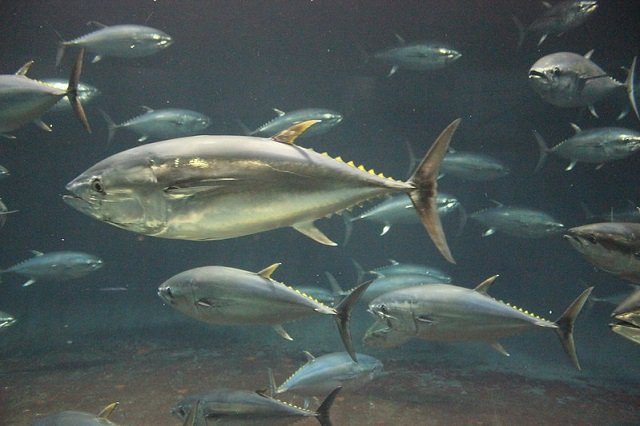
Fraud is not merely a matter of paying a premium for lower-quality fish; it is a critical challenge to food safety, consumer trust, and marine conservation. From substituting costly red snapper with tilapia to using carbon monoxide to make tuna appear fresher, fraudsters’ tactics are as diverse as the species in the ocean.
- 1 Key Points
- 2 Anatomy of Deception: Types of Fraud in the Sector
- 3 Scientific Evidence: From Cevicherías to Los Angeles Sushi
- 4 Economic Impact: The Profit of Deceit
- 5 Scientific Methodology
- 6 Global Impact and Public Health
- 7 Regulatory Frameworks: The Fight for Transparency
- 8 Discussion and Limitations: The Road Ahead
- 9 Entradas relacionadas:
Key Points
- Labeling Epidemic: It is estimated that 1 in 5 seafood products worldwide is mislabeled, with fraud rates reaching as high as 78% in dishes like ceviche in certain regions.
- Health Risks: The implications are not solely economic; 58% of species substitutions involve fish that may contain dangerous toxins, allergens, or pathogens.
- The “Fresh” Deception: Selling thawed fish as fresh is a common practice used to inflate prices, capitalizing on the consumer’s difficulty in detecting sensory differences.
- Forensic Science to the Rescue: The use of DNA barcoding and stable isotope analysis has become vital for tracing the true origin of fish and protecting consumers.
Anatomy of Deception: Types of Fraud in the Sector
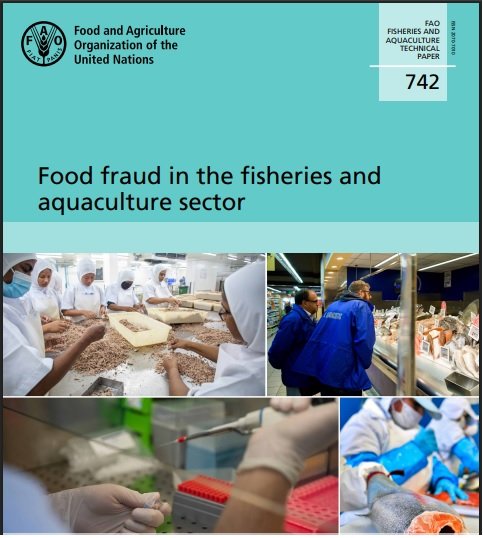
The FAO Technical Paper 742 classifies fraud into several key categories that every consumer and professional should recognize:
Species Substitution and Mislabeling
This is the most prevalent form of fraud. It involves replacing a high-value species with a cheaper or more abundant one. A classic example is selling farmed salmon as wild-caught or using pangasius instead of cod.
Adulteration: Food “Makeovers”
This involves adding non-authentic substances to alter weight or appearance. Detected methods include the use of prohibited dyes, excessive water, or chemical additives like formaldehyde to mask spoilage. Carbon monoxide (CO) treatment is particularly controversial, as it maintains a bright red color in tuna even when it is no longer safe for consumption.
Counterfeiting Origin and Production Methods
Many consumers prefer products from specific areas or those caught sustainably. Fraud occurs when the catch area is misrepresented (e.g., selling fish illegally caught in restricted zones) or when conventional aquaculture fish is labeled as “organic.”
Scientific Evidence: From Cevicherías to Los Angeles Sushi
While solid baseline studies for an exact global estimate are lacking due to inconsistent legal definitions, empirical evidence is overwhelming:
- Restaurants: Up to 30% of seafood in restaurants may be mislabeled.
- Latin America and China: Critical cases have been detected in ceviche stalls and seafood markets.
- United States: It is estimated that one-third of aquatic products sold do not match their labels, while less than 1% of imports are tested.
- The Los Angeles Case: A DNA barcoding investigation revealed that fraud is moderate in retail stores but alarmingly high in sushi restaurants, particularly involving red snapper and halibut. However, an education and blind-testing program successfully reduced fraud by 66% over a decade in this area.
Economic Impact: The Profit of Deceit
Economic incentives are the primary driver of this crime. The report highlights staggering price disparities:
- Salmon: Selling Atlantic salmon (mostly farmed) as Pacific salmon (wild) generates an illicit profit of nearly $10 USD per kilogram.
- Sea Bass: In Italy, sea bass labeled as “local” can cost two to three times more than the same fish imported from Greece or Turkey, with prices skyrocketing further if sold as wild-caught.
Scientific Methodology
To combat these crimes, science has deployed an arsenal of advanced analytical tools:
Mantente siempre informado
Stay Informed
Únete a nuestras comunidades para recibir al instante las noticias, informes y análisis más importantes del sector acuícola.
Join our communities to get instant access to the most important news, reports, and analysis from the aquaculture industry.
- DNA Barcoding: This technique uses a specific region of the COI gene to identify species with near-absolute precision, even in processed or canned products where the fish’s original morphology has been lost.
- Stable Isotope Analysis: By analyzing chemical signatures (carbon, nitrogen, oxygen) incorporated into fish tissues, scientists can verify exact geographic origins and distinguish between wild-caught and farmed fish.
- NIR Spectroscopy (Near-Infrared): A rapid, non-destructive method that assesses freshness and detects whether fish has been previously frozen by analyzing how light interacts with muscle tissue.
Global Impact and Public Health
Fisheries fraud is not a “victimless crime.” The report underscores alarming risks:
- Deadly Toxins: Substituting safe species with pufferfish (fugu) without proper treatment can be fatal due to tetrodotoxin.
- Hidden Allergens: The use of undeclared additives or species blending can trigger severe allergic reactions in sensitive consumers.
- Contaminants: Fish of unknown or illegal origin often bypass sanitary controls and may contain high levels of heavy metals or antibiotic residues.
Regulatory Frameworks: The Fight for Transparency
Internationally, the Codex Alimentarius is developing specific guidelines for the prevention and control of food fraud. In regions like the European Union and the United States, legislation such as the SIMP (Seafood Import Monitoring Program) mandates strict traceability from catch to port. Furthermore, private standards like the GFSI (Global Food Safety Initiative) require companies to conduct fraud vulnerability assessments.
Discussion and Limitations: The Road Ahead
Despite progress, significant challenges remain. The lack of harmonized legal definitions of “fraud” globally hinders legal prosecution. Additionally, high-end analytical tools remain costly and often inaccessible to developing countries, which are precisely the largest net exporters of seafood products.
Reference (open access)
FAO. (2026). Food fraud in the fisheries and aquaculture sector. Fisheries and Aquaculture Technical Paper, No. 742. Rome: Food and Agriculture Organization of the United Nations. https://doi.org/10.4060/cd8244en

Editor at the digital magazine AquaHoy. He holds a degree in Aquaculture Biology from the National University of Santa (UNS) and a Master’s degree in Science and Innovation Management from the Polytechnic University of Valencia, with postgraduate diplomas in Business Innovation and Innovation Management. He possesses extensive experience in the aquaculture and fisheries sector, having led the Fisheries Innovation Unit of the National Program for Innovation in Fisheries and Aquaculture (PNIPA). He has served as a senior consultant in technology watch, an innovation project formulator and advisor, and a lecturer at UNS. He is a member of the Peruvian College of Biologists and was recognized by the World Aquaculture Society (WAS) in 2016 for his contribution to aquaculture.